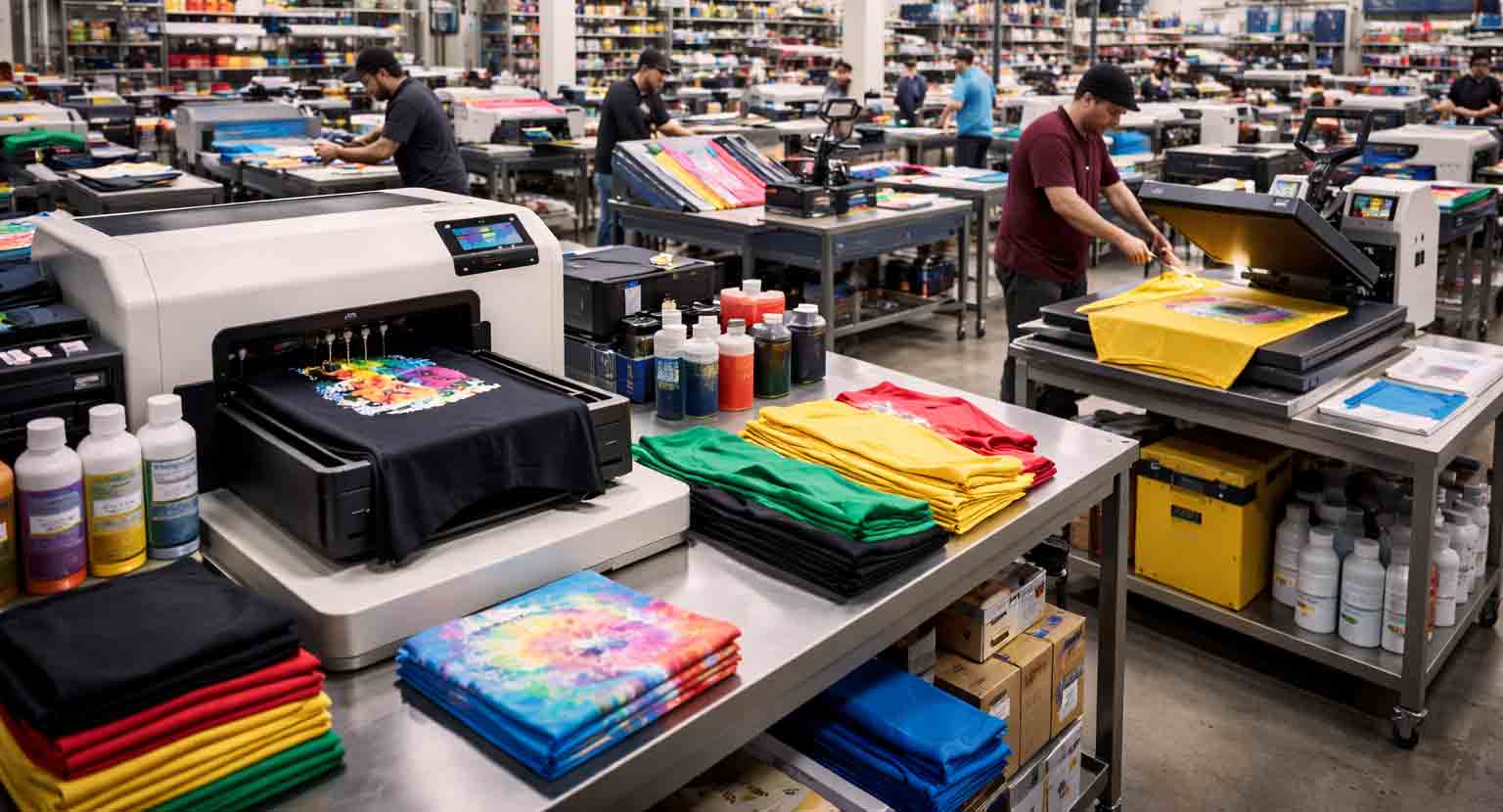
types of textile printing
Textile printing is how designs get onto fabric—whether that’s merch tees, premium hoodies, sportswear, or workwear. The “best” method depends on your garment material, artwork style, expected volume, and the hand-feel you want customers to experience when they open the package. Fabrikk helps brands choose methods that look clean, feel premium, and stay consistent across reorders.
The big picture: what changes between printing methods
Most printing methods differ in one simple way: does color sit “in” the fabric, “on top” of the fabric, or get fused into it through heat and chemistry? That choice impacts softness, stretch, durability, and how sharp details appear.
A practical rule: if comfort and a soft feel matter most, choose methods that integrate well with the fibers. If versatility across many fabrics matters most, choose methods designed to bond reliably to different materials.
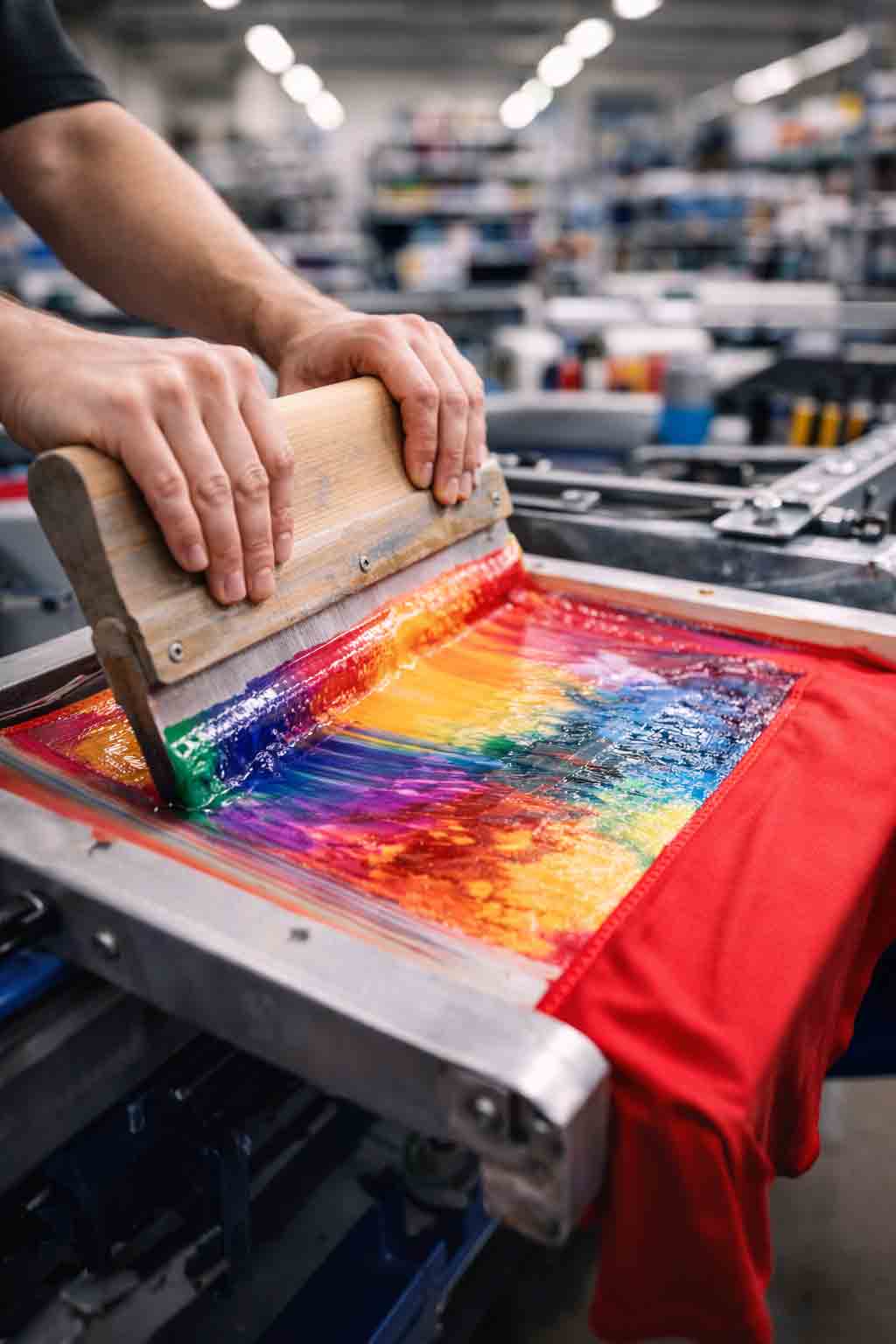
Screen printing: the classic for bold, high-volume consistency
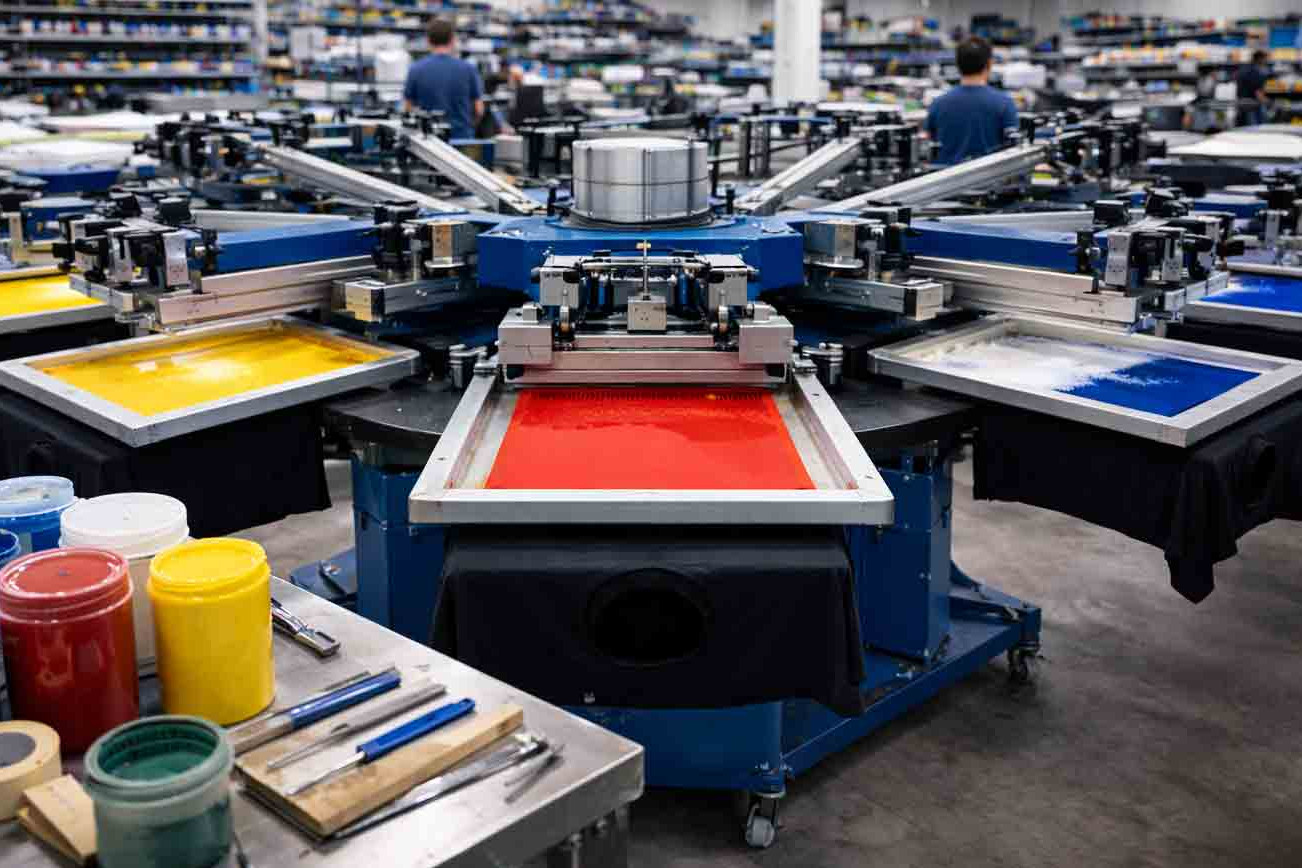
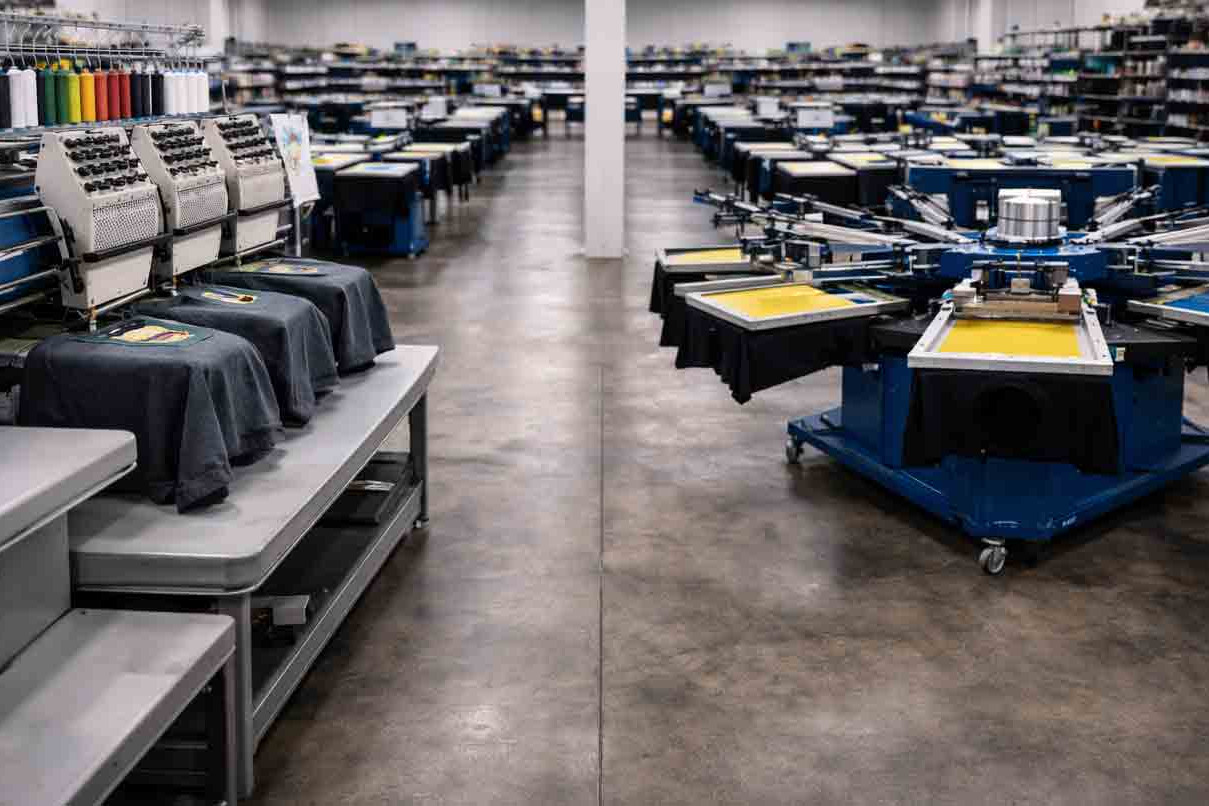
Screen printing pushes ink through a stencil (screen) onto the garment. It’s a go-to for bold logos, clean shapes, and high-volume runs because it scales well and can be extremely consistent when the setup is dialed in.
It shines when you have fewer colors and you want repeatability across many pieces. Where it’s less flexible is fast-changing designs or very small orders—because setup and color separation time can add friction.
Commercial tip: if you’re building a “core collection” with stable designs, screen printing can be a smart backbone method.
DTG printing: detailed, soft results on cotton-first garments
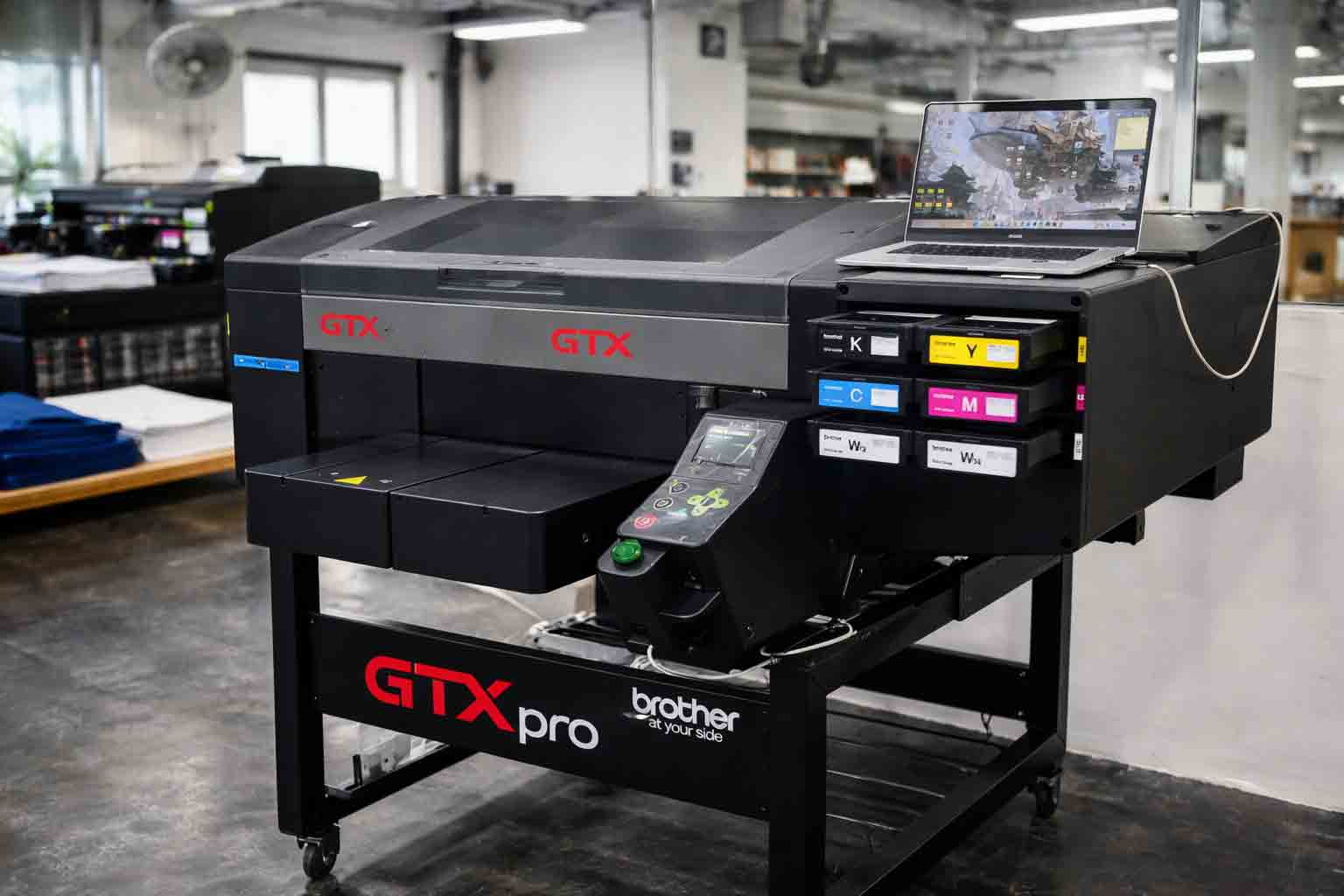
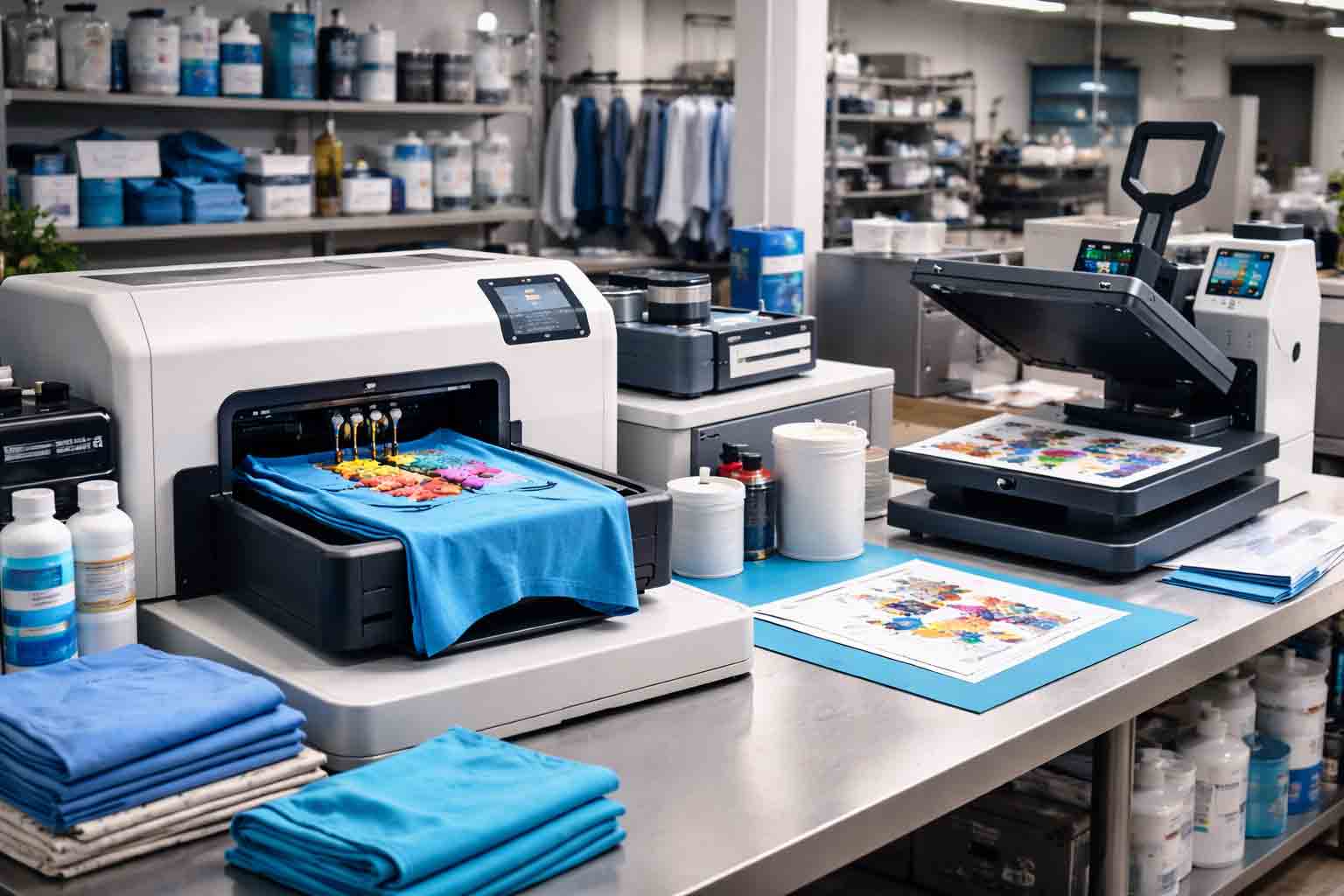
DTG (Direct-to-Garment) prints ink directly onto the garment, similar to a high-end inkjet workflow. It’s great for detailed artwork, smooth gradients, and short runs—especially on cotton. The feel can be very soft when artwork is designed with breathable coverage.
The key to premium DTG is process discipline: correct pretreatment (for darker garments), proper curing, and consistent garment bases. When those are controlled, DTG can look sharp while still feeling comfortable.
DTF transfers: flexible across fabrics with strong opacity
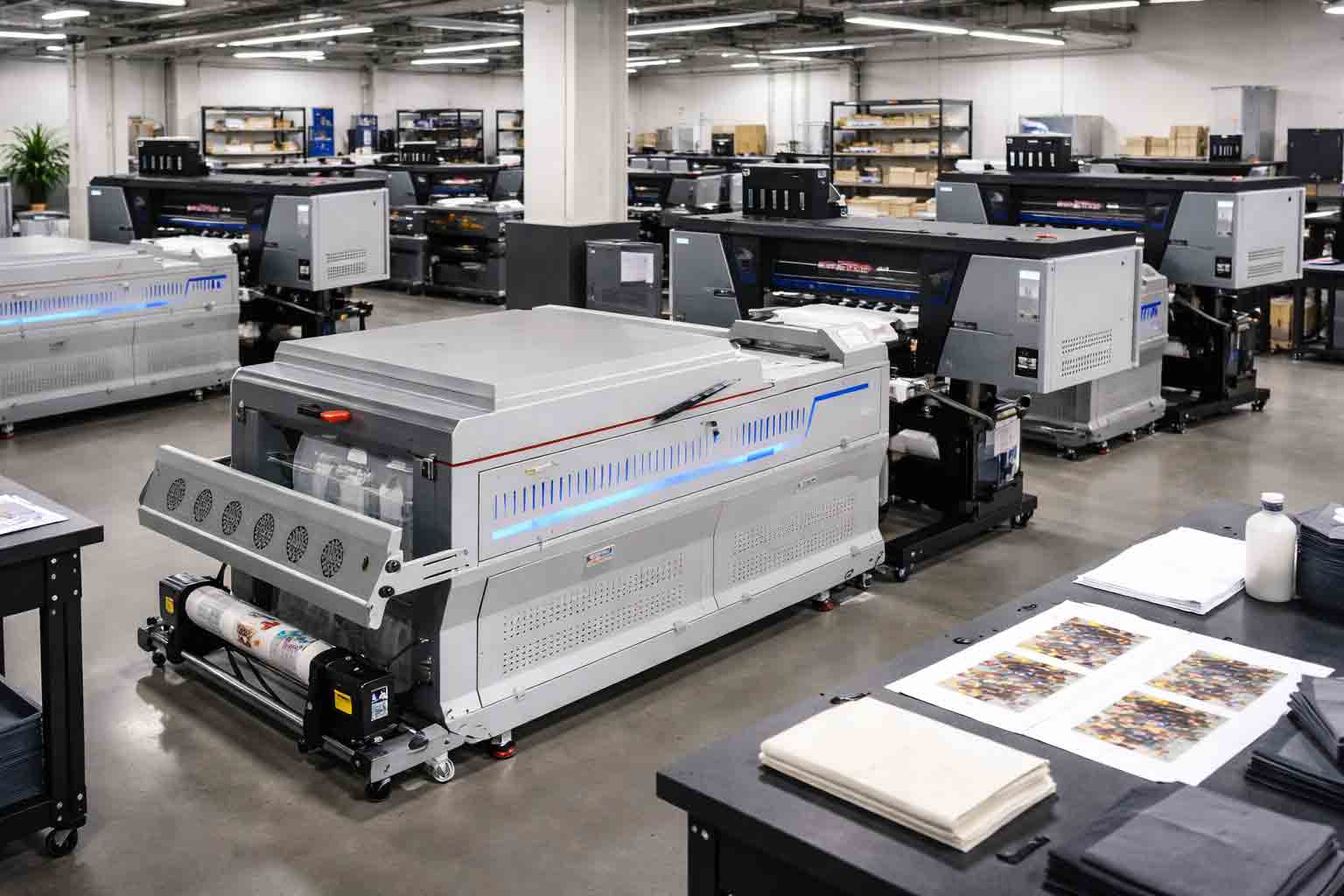
DTF (Direct-to-Film) prints onto film, then heat-transfers the design onto the garment. It’s popular because it works across many materials—cotton, blends, and performance fabrics—and can deliver punchy color and clean edges.
The trade-off is usually hand-feel on large designs, because the transfer sits on top of the fabric. Clean, premium DTF relies on smart artwork (good negative space) and correct heat/pressure settings so the result stays flexible instead of stiff.
Heat-based methods: sublimation, vinyl, and why “bonding” matters
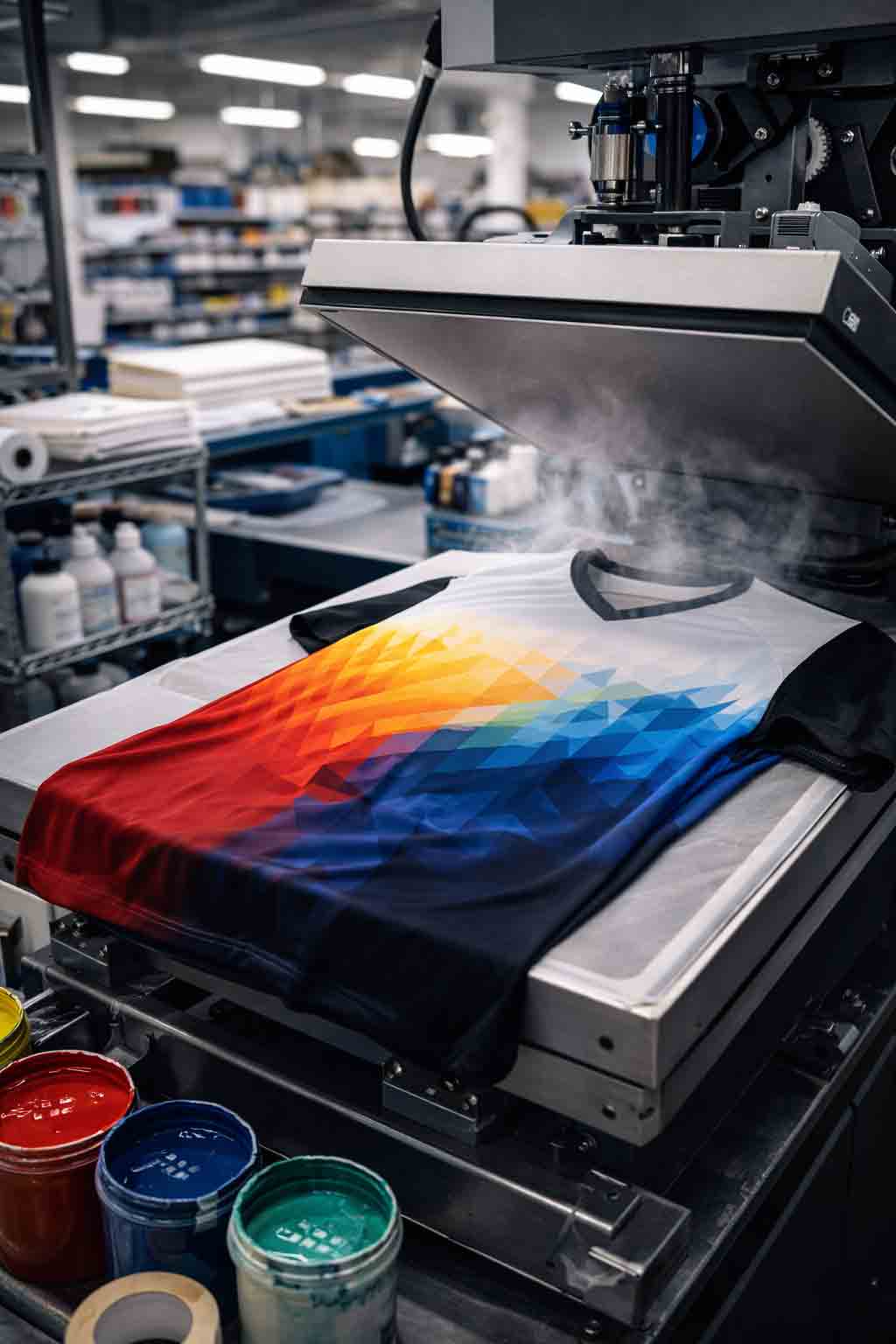
Some methods don’t “print” in the traditional sense—they bond through heat. Sublimation turns dye into gas and fuses it into polyester fibers, creating a super durable result that won’t crack. Heat transfer vinyl (HTV) cuts shapes from vinyl and presses them onto fabric—great for simple marks, names, and numbers when done cleanly.
Here’s the practical takeaway:
- Sublimation: best on polyester (often light colors) for long-wearing, integrated results.
- HTV: best for simple shapes and personalization, but can feel more “on top.”
- Heat transfers (general): quality depends heavily on heat, pressure, and dwell time.
If you want deeper background context on textile printing overall, see: Textile printing (overview).
How Fabrikk helps you choose the right method for each product
In real merch programs, the “best” print method is the one that stays consistent at your scale, on your chosen garments, and with your artwork style. Fabrikk supports that decision with a practical approach: match method to fabric, match artwork to hand-feel goals, then lock a repeatable workflow for reorders.
This is how brands avoid the common traps: unexpected stiffness, wash failures, inconsistent color across batches, and designs that look good on screen but not on fabric.
Print selection checklist: pick fast, pick smart
Use this checklist to decide quickly—without overthinking the technical jargon.
- What fabric is the garment (cotton, polyester, blend)?
- Is the product light or dark, and do you need strong opacity?
- Do you prioritize the softest hand-feel, or maximum fabric versatility?
- Is the artwork photo-style, gradient-heavy, or bold and logo-based?
- How large is the design coverage (small mark vs full-front)?
- Will you reorder often (consistency matters more than one “perfect” batch)?
- Is the product for fashion, events, uniforms, sports, or gifting?
- Does the garment need stretch and flexibility (activewear)?
- Have you wash-tested the exact garment + method combination?
- Are you using the right file specs (resolution, transparency, color)?
- Do you have QC checkpoints (alignment, curing/press settings, final inspection)?
- Will the final item still feel premium the moment a customer touches it?
If you can answer these, the method choice becomes obvious—and production becomes predictable.
FAQ: common textile printing questions
DTG and well-optimized screen printing can feel very soft on cotton. Design coverage matters: large solid areas usually feel heavier than smaller marks.
Sublimation is excellent on polyester when the product and color base are suitable. DTF is also popular for polyester and blends because it bonds reliably across materials.
DTG and DTF are often practical for smaller runs and frequent artwork changes because setup can be faster than traditional screen workflows.
Durability depends on correct process settings and garment quality. Sublimation can be extremely durable on polyester; screen printing can also last a long time when cured properly.
Common causes include incorrect curing/press settings, poor adhesion, unsuitable fabric, low-quality consumables, or harsh washing and drying habits.
Choose DTG when you want a softer feel on cotton-first garments and detailed artwork. Choose DTF when you need versatility across more fabrics and strong opacity.
It’s best value at higher volumes, but it can still make sense for smaller runs when you want a consistent “core design” that you’ll reorder often.
Clean edges, accurate color, good alignment, durable bonding/curing, and a hand-feel that matches the garment’s quality. Premium is consistency plus comfort.
Yes. Photo-style gradients can favor DTG. Bold logos can favor screen printing or DTF. Large solid blocks can feel heavier on transfers, so design smart.
Always test on the exact garment: wash durability, stretch behavior, hand-feel, and color accuracy under real lighting. One good sample can prevent expensive mistakes.
Standardize garment blanks, lock print settings, run wash tests, and implement QC checks for alignment, curing/press performance, and final inspection.
Yes. A comfort-first fashion drop often leans toward softer methods on cotton, while uniform, sports, and mixed-fabric programs often prioritize versatile bonding methods for repeatable results.
Wrap-up: build a print method that scales with your brand
The smartest approach is to match method to product, then standardize it for consistency. With Fabrikk, brands can build a clean, commercial setup that protects quality, reduces surprises, and makes reorders simpler—so your merch keeps looking premium as you grow.