How are clothes produced
If you’ve ever asked, “How are clothes produced”, the short answer is: it’s a step-by-step pipeline where materials, construction, and quality checks decide everything—fit, durability, cost, and delivery speed. Fabrikk helps brands make this pipeline practical and predictable, so you can launch apparel that looks premium and performs in real life.
Step 1–4: from raw fiber to usable fabric (where quality starts)
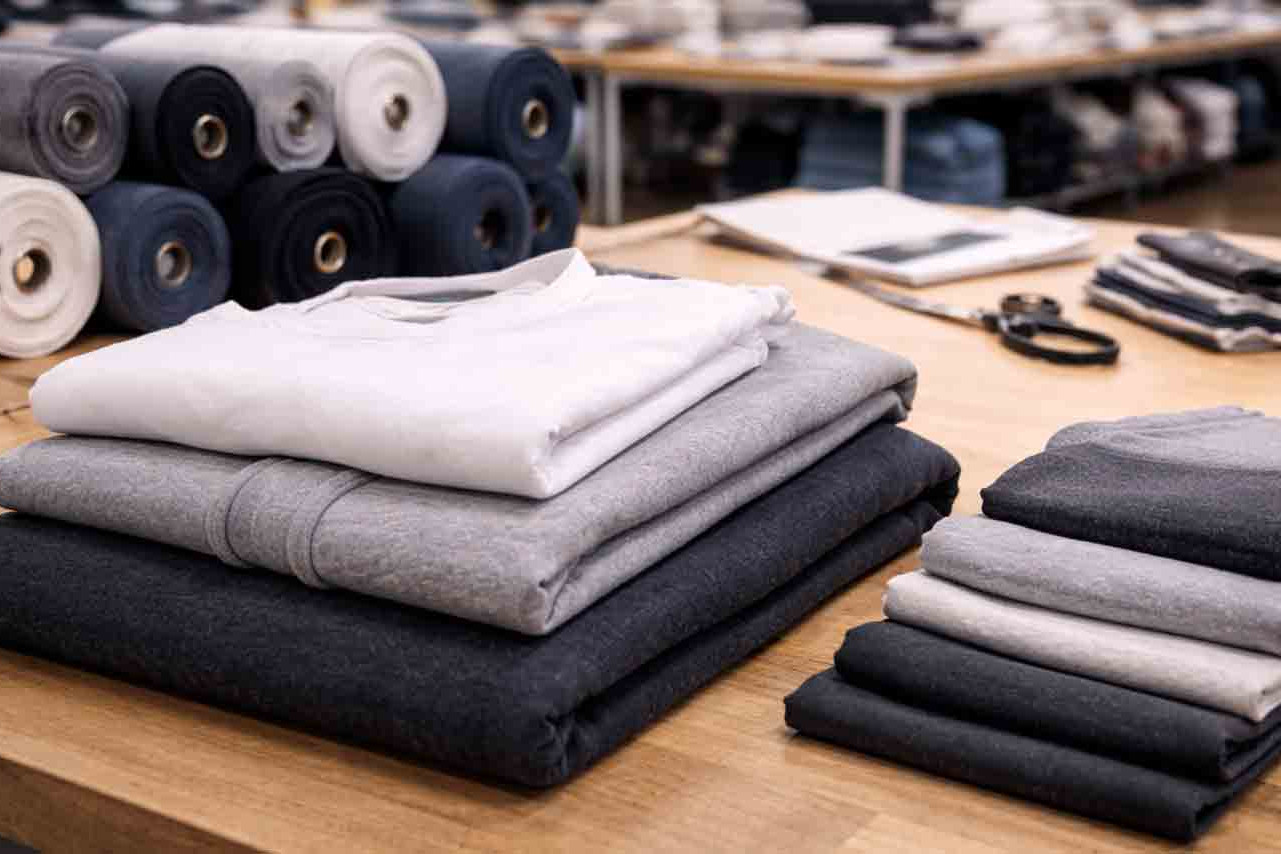
Every garment begins with a fiber decision: natural fibers (like cotton), man-made fibers (like polyester), or blends. This choice controls softness, breathability, pilling, shrinkage, and how well decoration holds up. In other words, most “premium feel” is decided before a single stitch is made.
Next comes yarn and fabric construction. Knitted fabrics are common for tees and hoodies because they stretch and drape well. Woven fabrics are more structured, often used for outerwear, shirts, and accessories. After that, dyeing and finishing create the final hand-feel (brushed, enzyme-washed, heavyweight, performance, etc.). If fabric is inconsistent, everything downstream gets harder.
Step 5–10: pattern, grading, cutting, and sewing (the make-or-break stage)
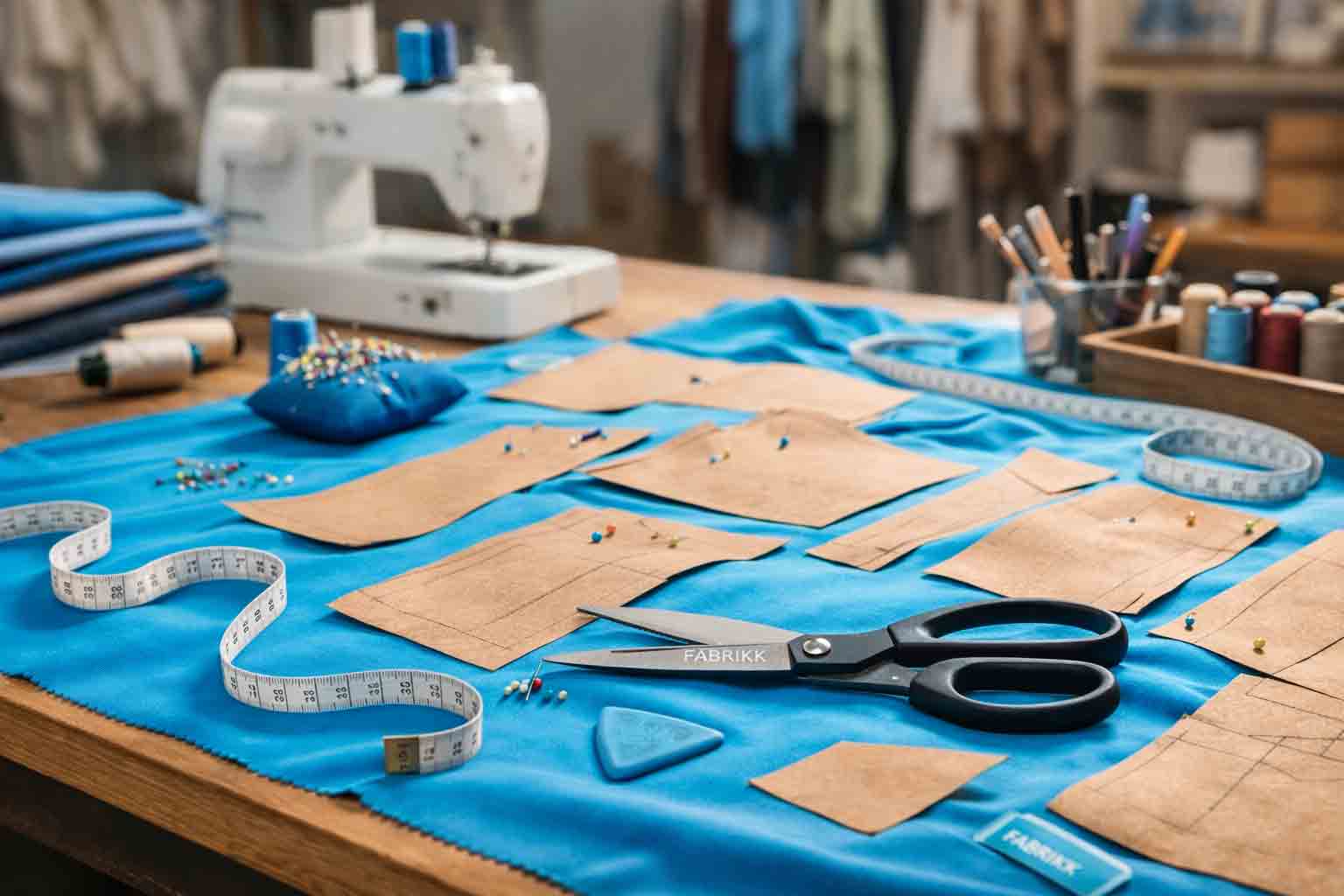
Once fabric is approved, the product becomes “buildable” through pattern making and grading (turning one size into a full size range). Then fabric is cut—manually or with automated systems. Accurate cutting reduces waste and improves fit consistency across sizes.
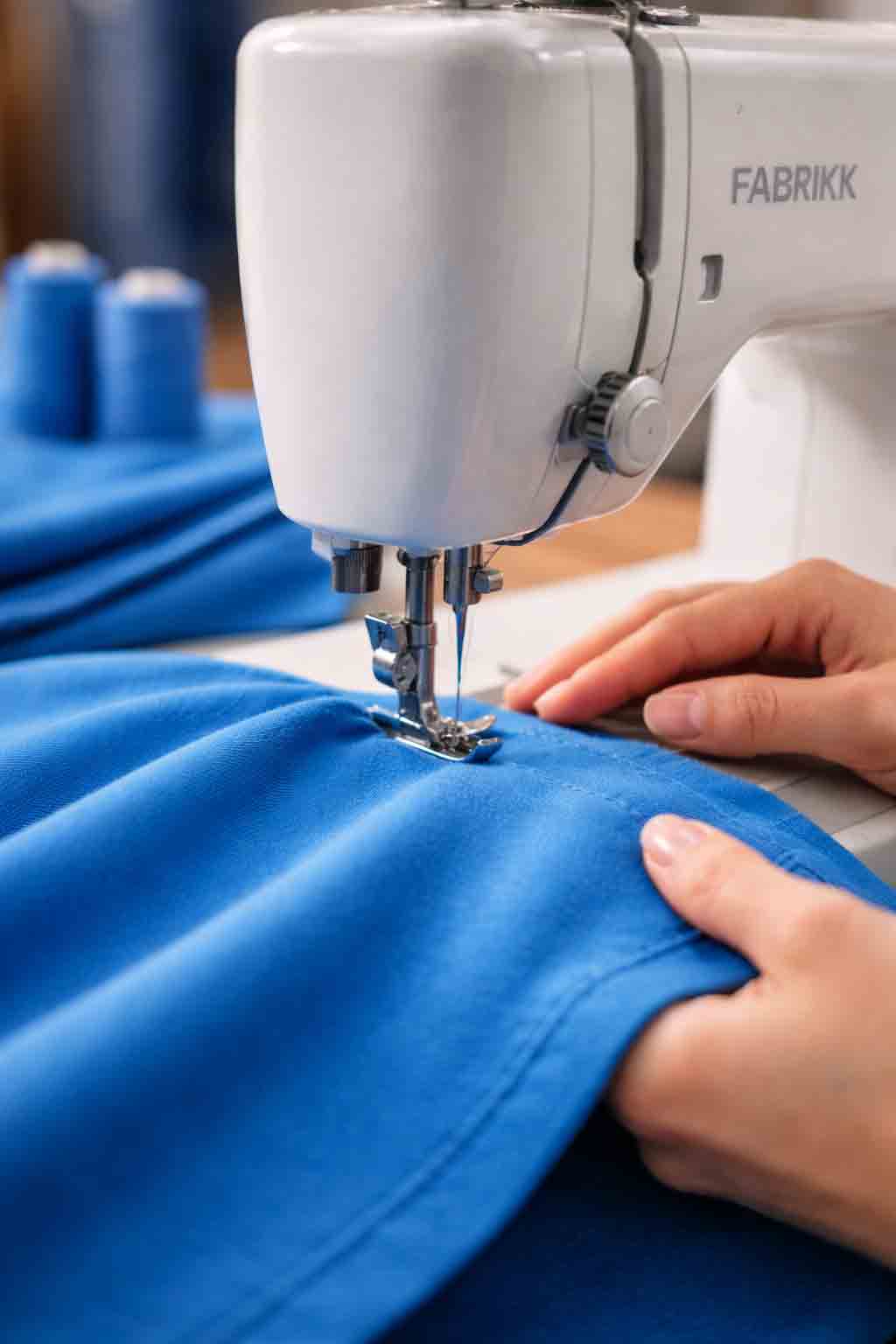
Sewing and assembly follow: panels are stitched, collars and cuffs attached, hems finished, and trims applied. This is where long-term durability is decided. Strong seams, clean finishing, and consistent stitch quality are what separate a “nice first impression” from a garment people wear for years.
Hands-on tip: if you’re producing for a broad audience, choose construction that survives everyday life (reinforced seams, stable necklines, and reliable trims) before adding complex design features.
Step 11–14: branding and decoration that looks premium, not noisy
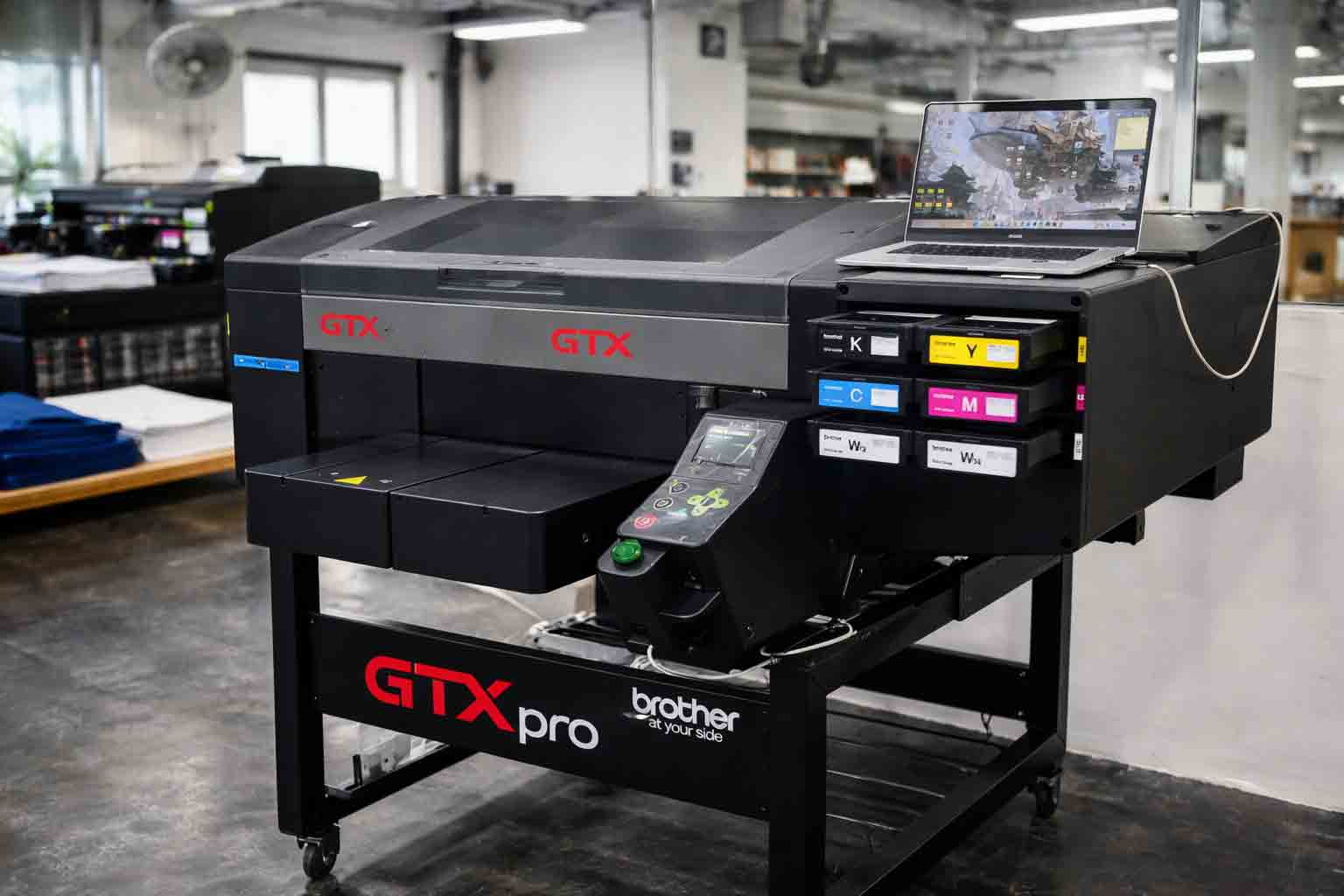
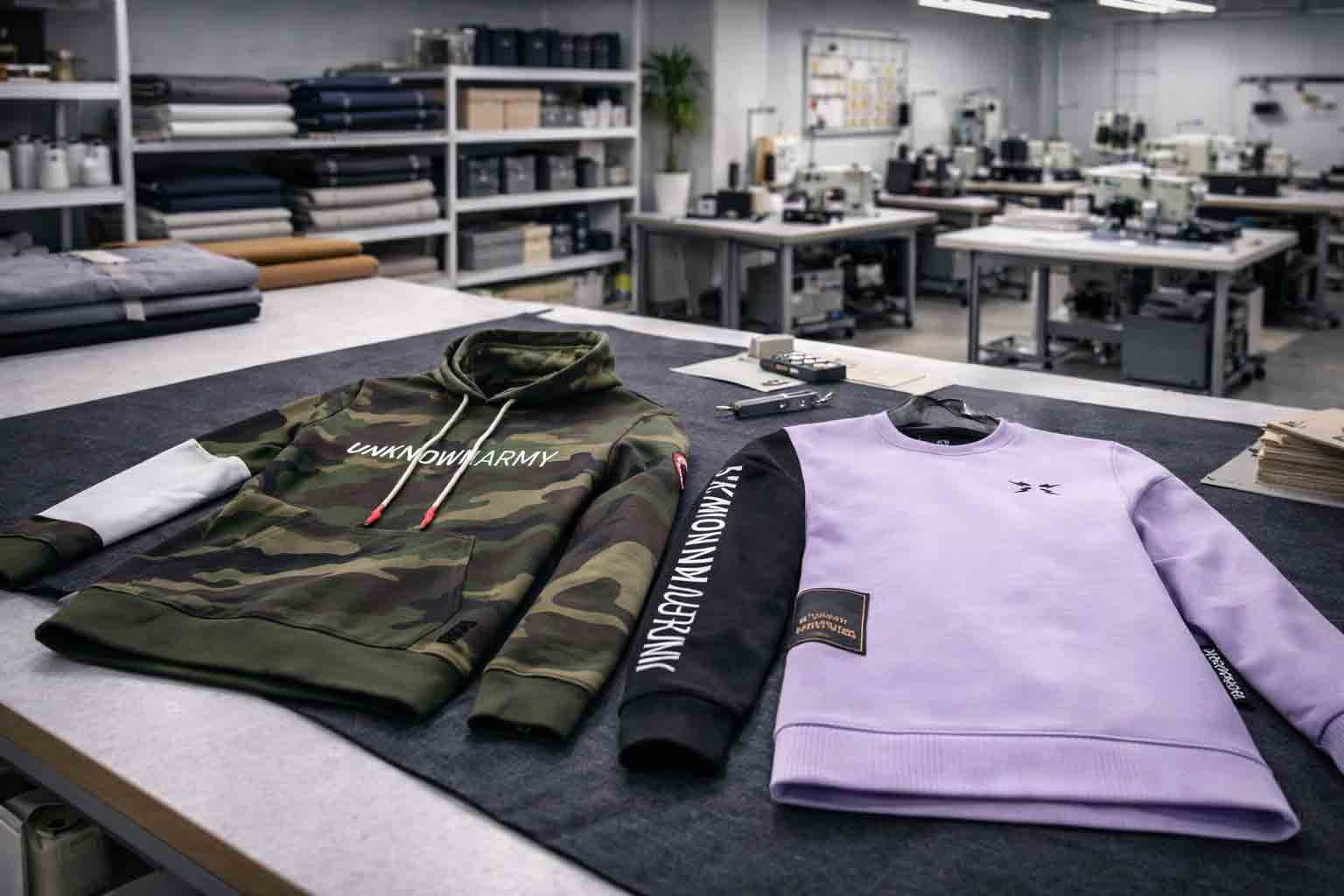
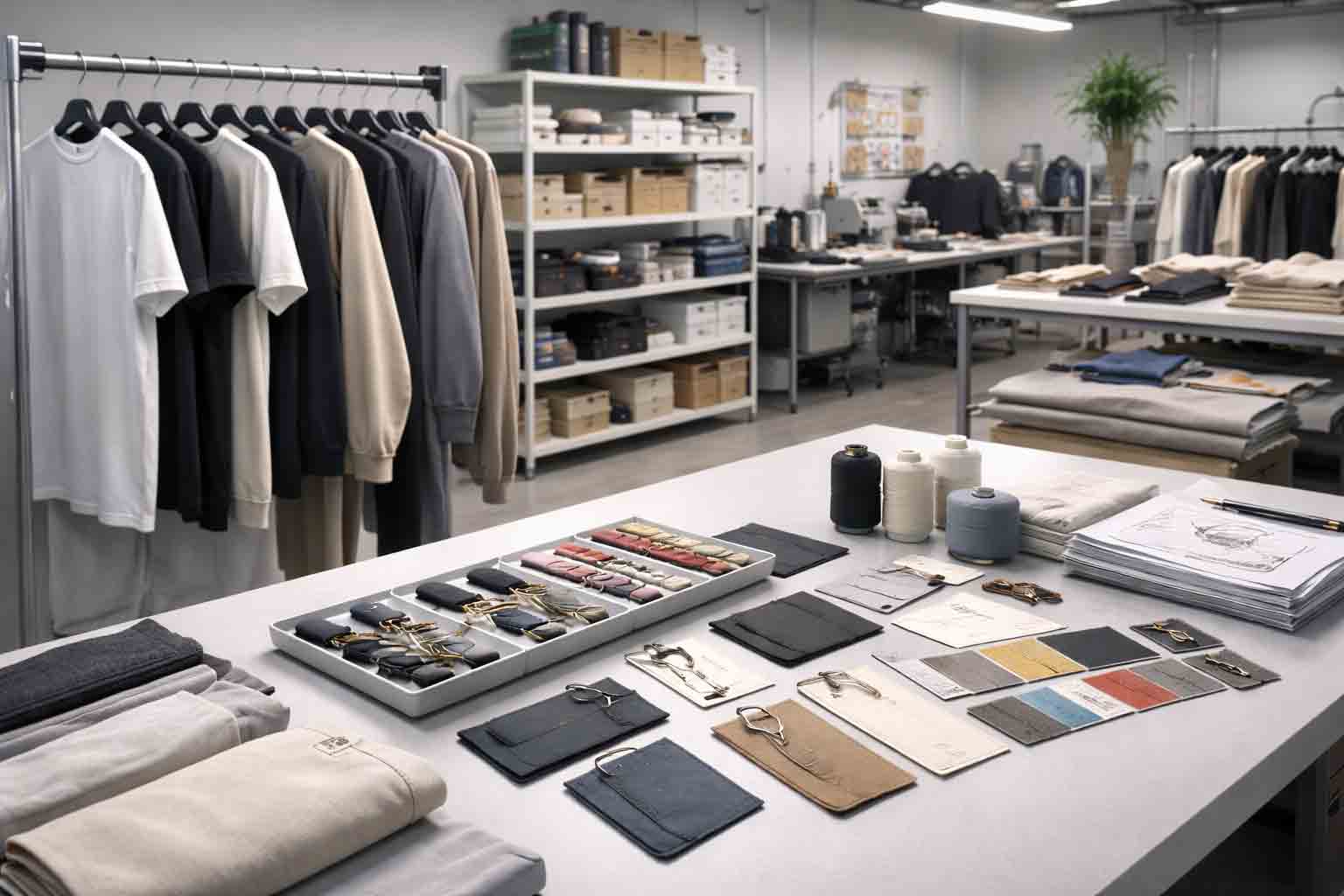
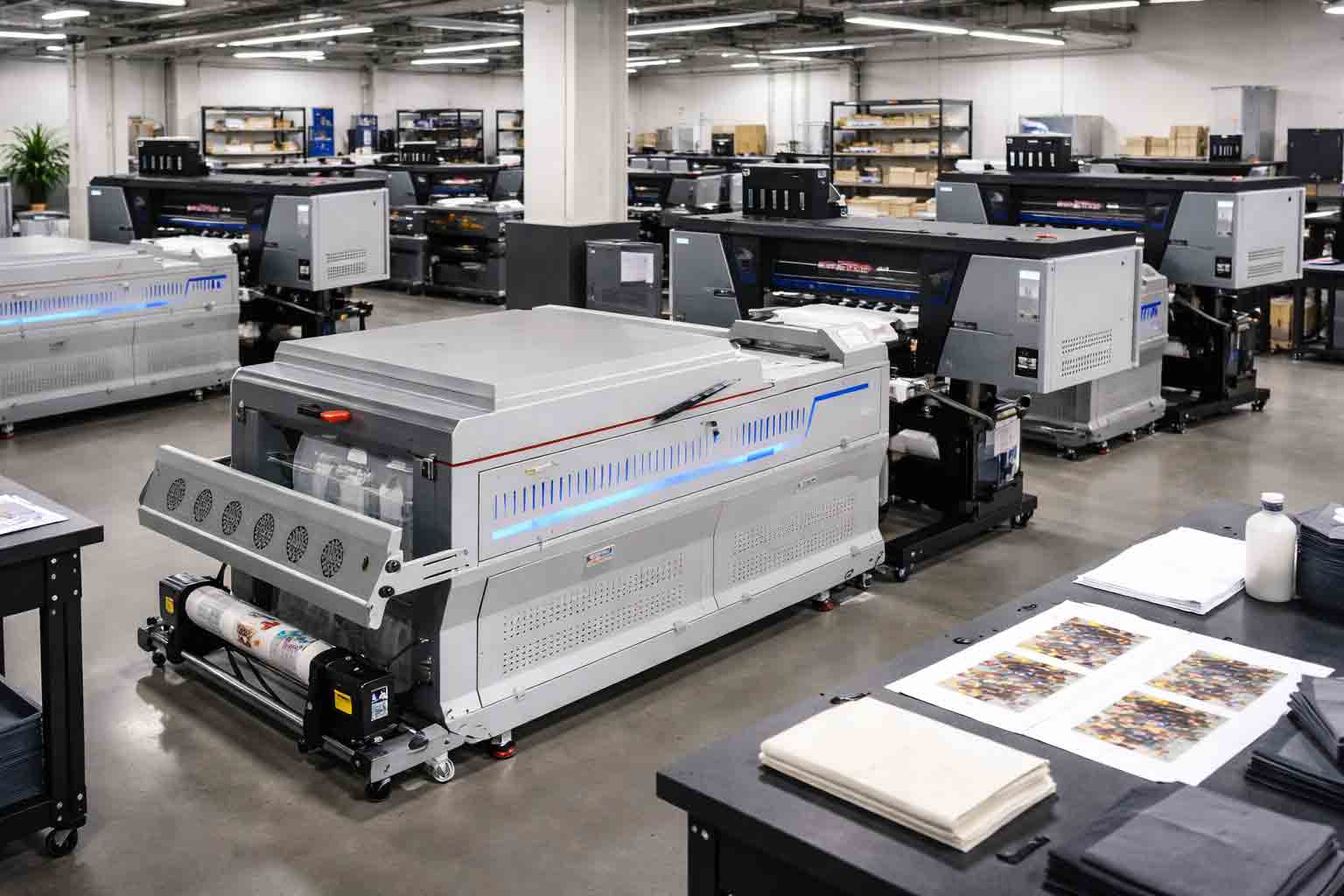
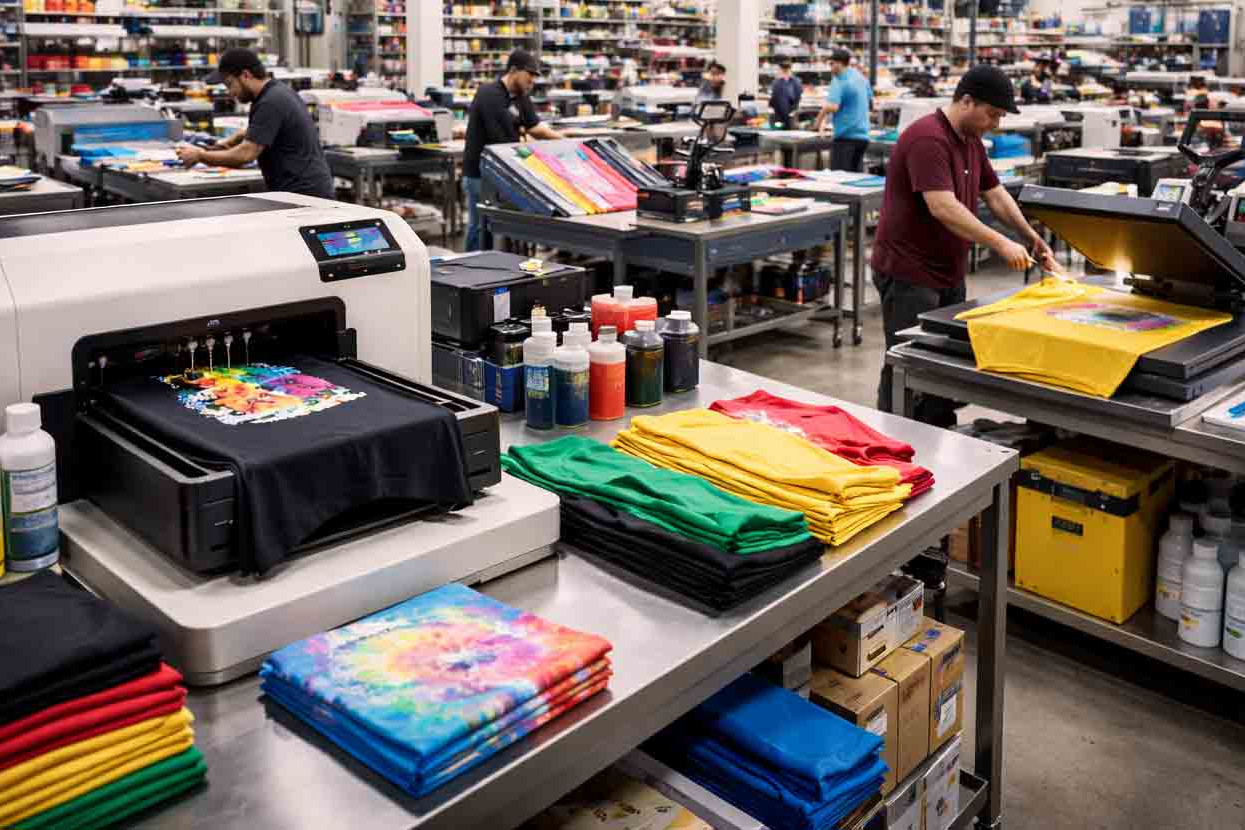
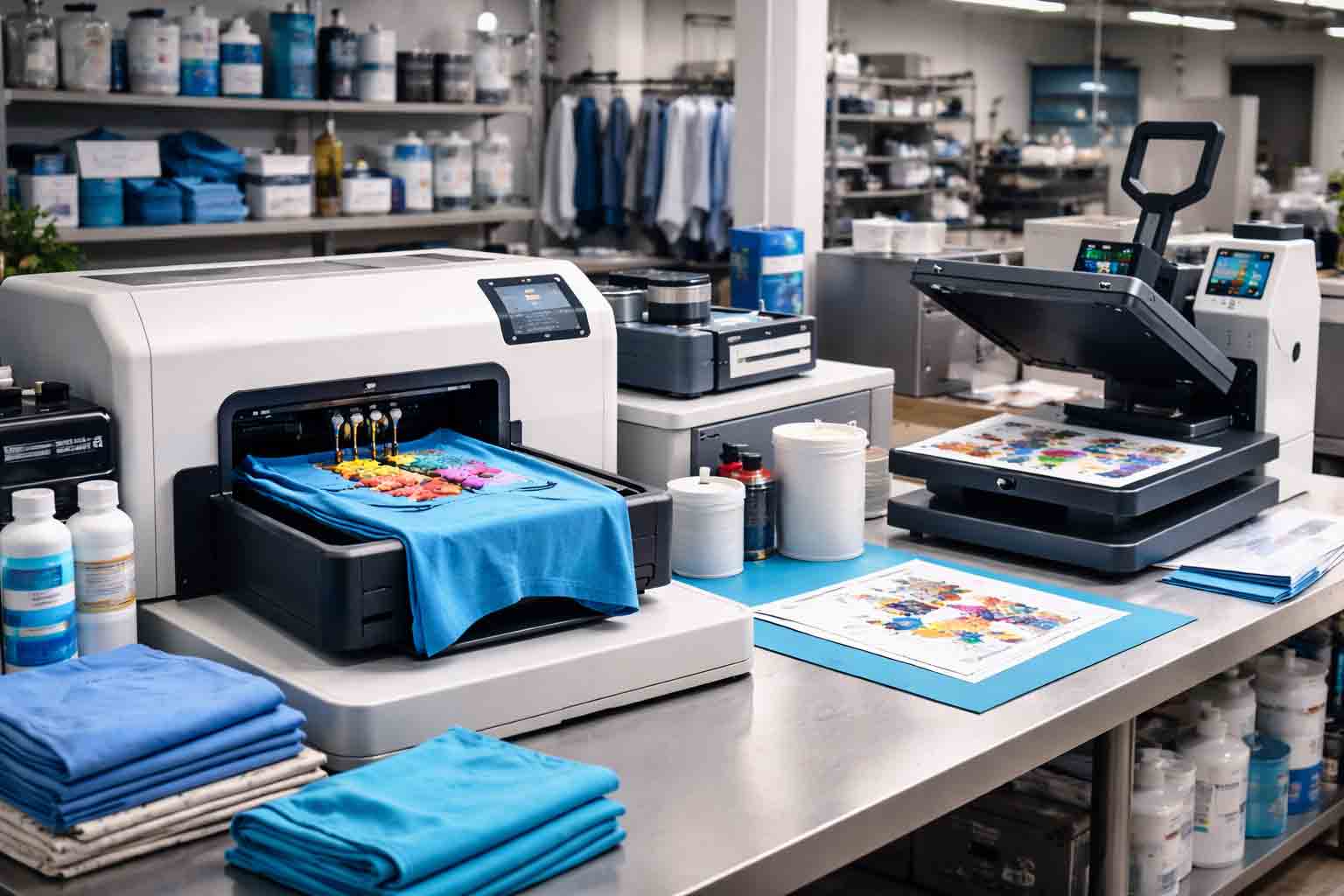
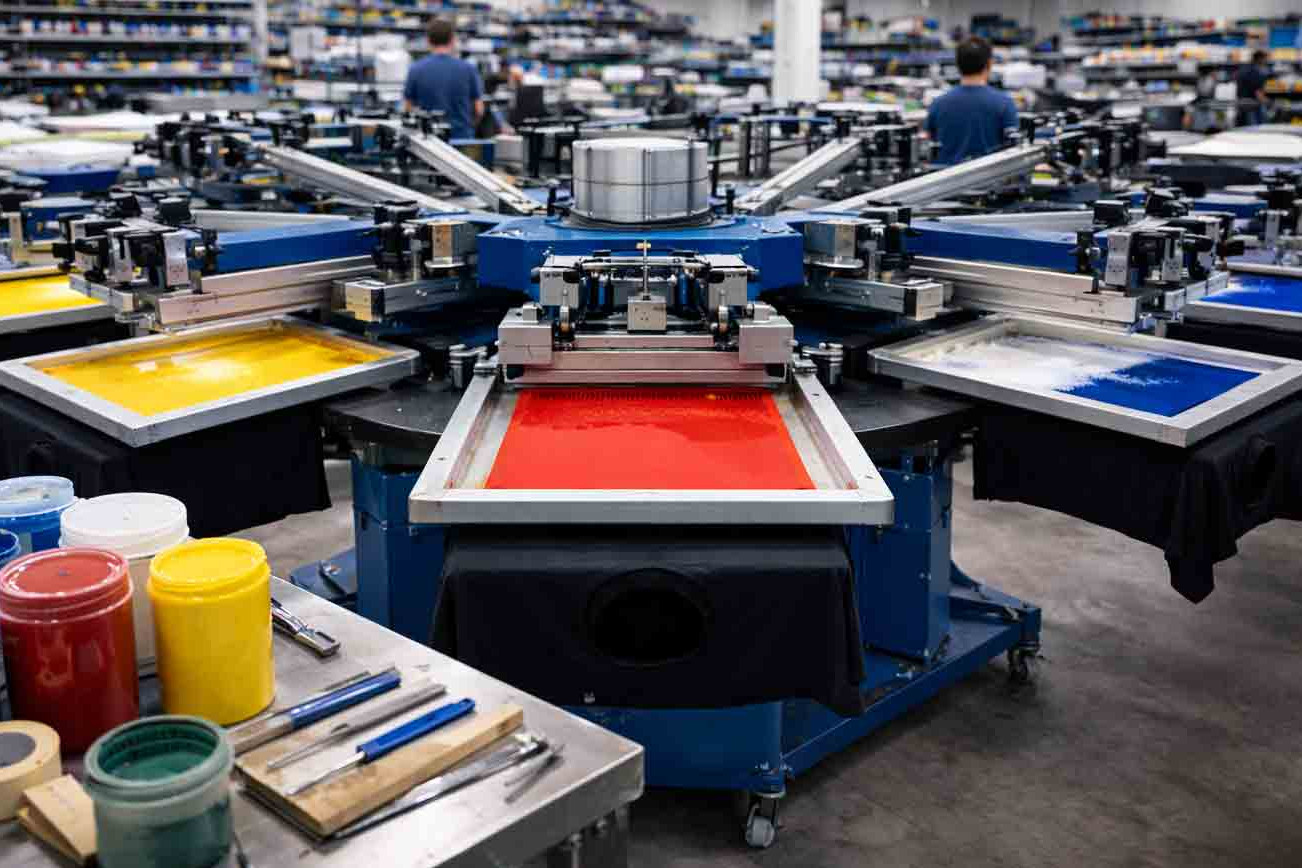
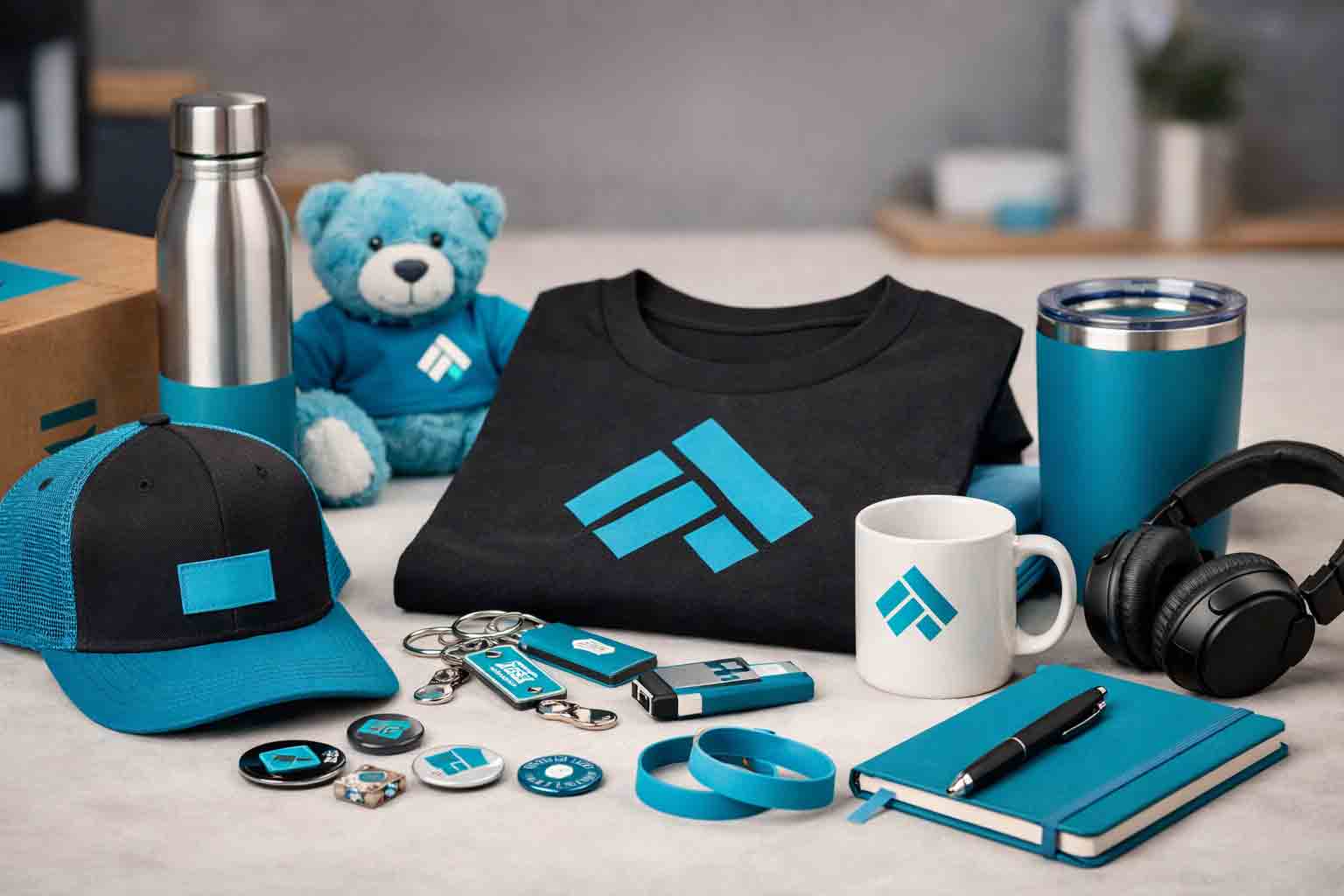
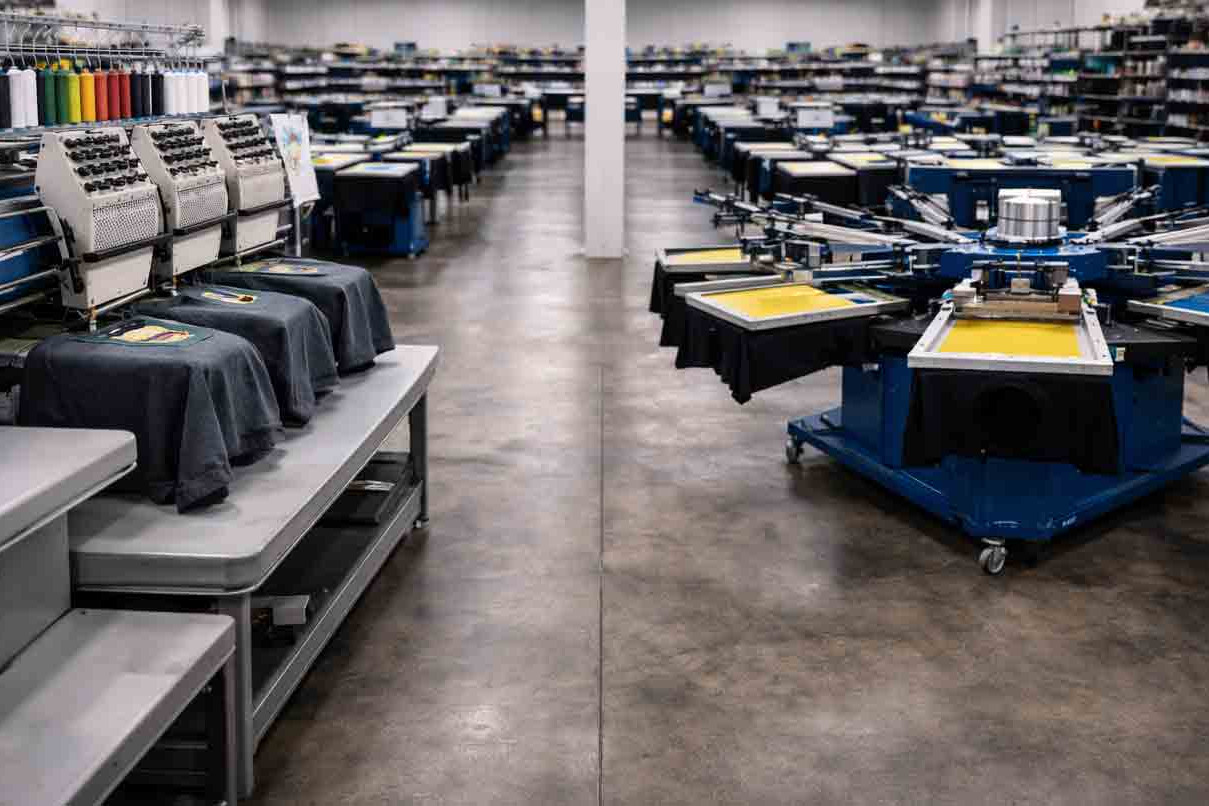
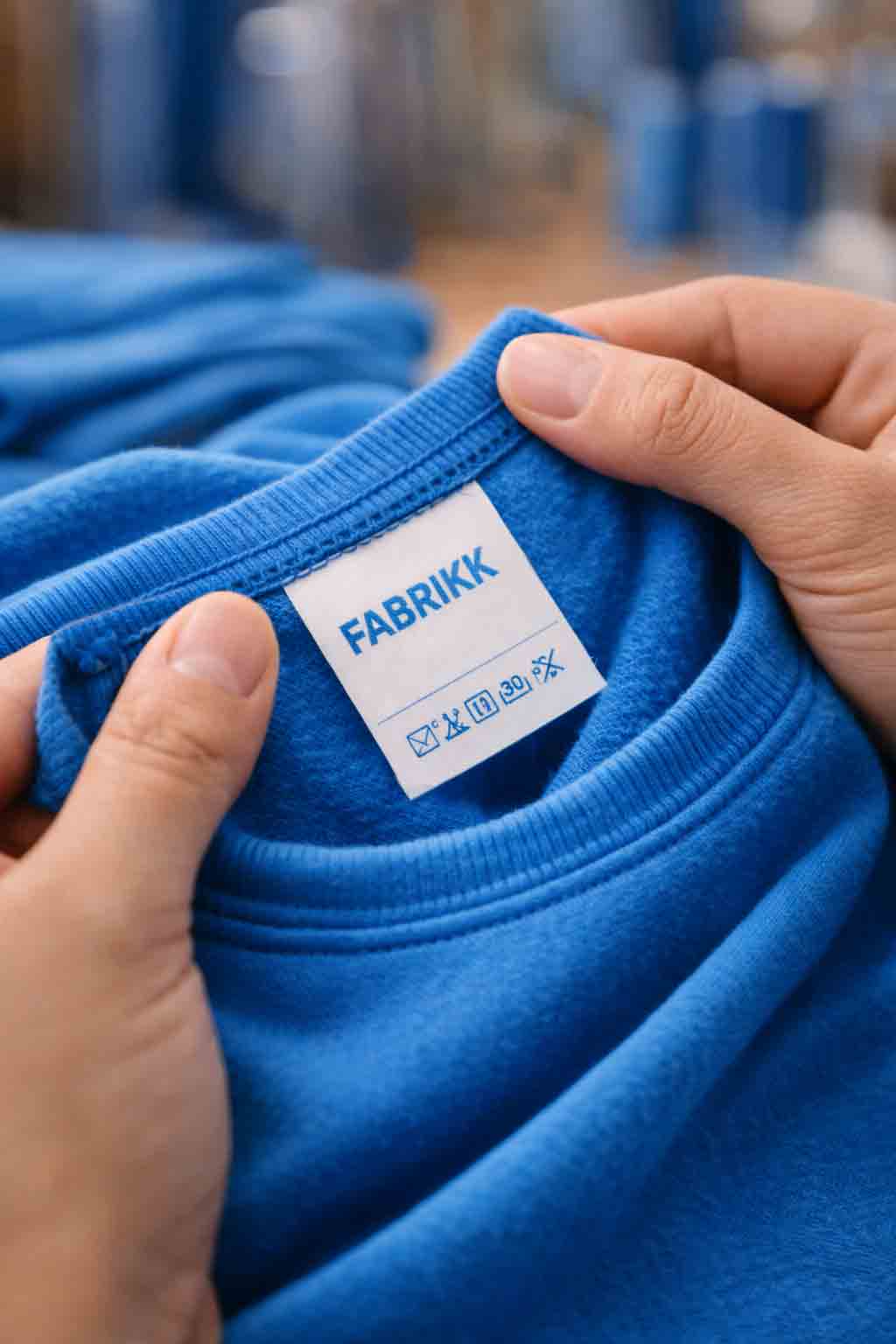
Decoration is your brand signature. Printing is great for bold artwork and larger graphics. Embroidery often reads more premium and is especially durable on hoodies, caps, and heavier garments. Labels and hangtags (woven labels, care labels, size tags) add the finishing details that make products feel “retail-ready.”
To keep things commercial: standardize your core placement (for example, a small chest mark) and reserve experimental graphics for limited drops. This keeps your collection cohesive while still letting you test what sells.
Step 15–19: quality control, packing, and delivery (where margins are protected)
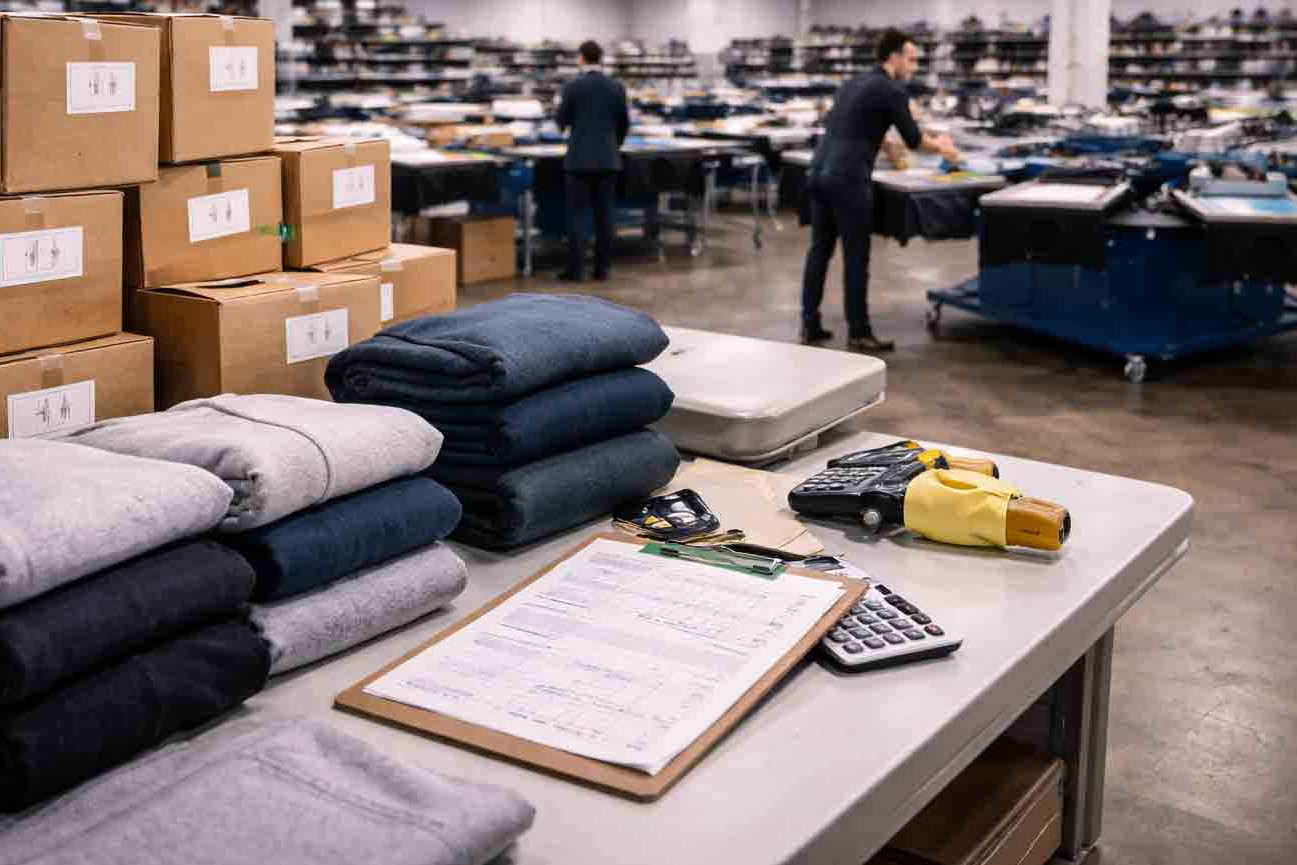
Quality control should happen more than once. Early checks catch shade variation, fabric defects, and trim issues. In-line checks catch sewing problems before they multiply. Final checks verify measurements, finishing, and decoration quality before packing—because returns and rework are where profit disappears.
If you want a broader industry reference point for supply-chain improvement programs, see Better Work. It’s useful context when you’re building a more professional and responsible production approach.
How Fabrikk keeps clothing production simpler for growing brands
Most production headaches come from unclear specs, too many variants, and last-minute changes. Fabrikk helps brands build a cleaner workflow: tighter product planning, clearer decisions on materials and decoration, and a setup that stays manageable as you scale.
Here’s what brands typically gain:
- Practical collection planning: fewer SKUs, better focus, stronger sell-through.
- Premium product choices: decisions that improve feel, fit, and finish.
- Reliable execution: clearer expectations and fewer surprises.
- Scalable foundation: start small, expand using real demand signals.
The goal is simple: spend less time firefighting production and more time growing your brand.
Production checklist: run your next clothing project like a pro
Use this checklist to keep production commercial, predictable, and easier to scale.
- Start with 1 hero product (tee/hoodie/cap) and keep the first collection small.
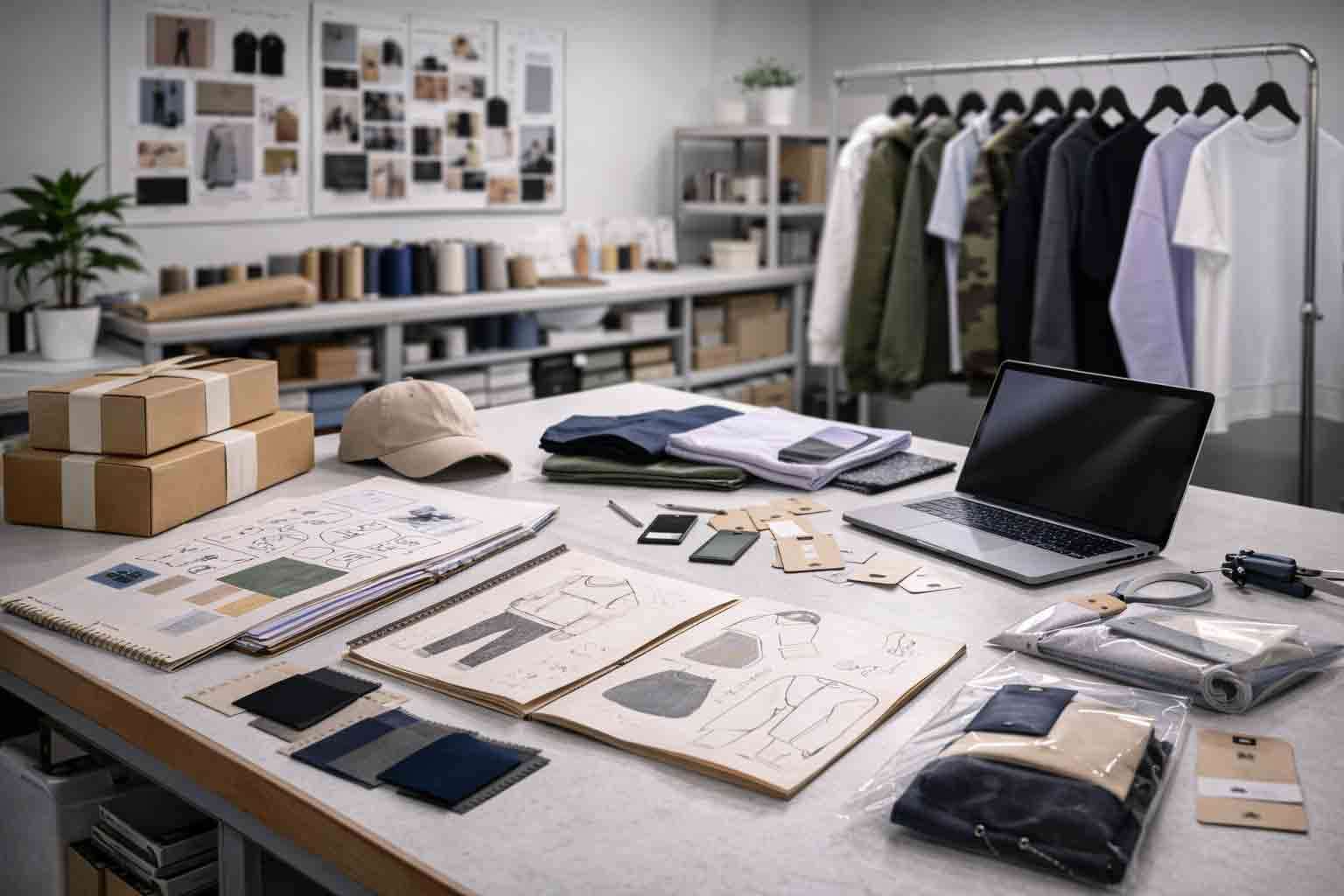
- Create a clear tech pack: measurements, construction, trims, placement, artwork specs.
- Choose fabric based on use (daily comfort vs. heavyweight premium vs. performance).
- Confirm shrinkage and wash behavior before finalizing sizing.
- Lock decoration method early (print vs. embroidery) to avoid redesign loops.
- Approve a physical pre-production sample you can test and measure.
- Define measurement tolerances (acceptable variance per point).
- Plan packaging that matches your brand (clean, protective, consistent).
- Set QC checkpoints: fabric check, in-line sewing check, final inspection.
- Keep colorways and size ranges realistic for your audience and budget.
- Prepare a returns/exchange flow (especially for apparel sizing).
- Track outcomes: defect rate, return rate, best sizes, best colors, reorder triggers.
If you can follow these steps, you’ll avoid most first-run mistakes and protect your margins.
FAQ: clothing production questions (clear, practical answers)
Most garments follow: materials → fabric construction/finishing → pattern & grading → cutting → sewing/assembly → decoration → finishing → quality control → packing → shipping.
Knits stretch and are common for tees and hoodies. Wovens are structured and common for jackets, shirts, and bags. Choose based on the product’s purpose and feel.
A tech pack is the garment blueprint: measurements, construction, trims, color references, and decoration placement. It reduces mistakes and keeps production repeatable.
Variation can come from fabric behavior, cutting accuracy, sewing tolerances, and inconsistent grading. Clear tolerances and consistent materials reduce drift.
Not always. Embroidery often feels premium and lasts well on heavier garments and caps. Printing is better for detailed artwork, large graphics, and certain budgets.
Shade differences, twisting seams, skipped stitches, loose threads, inaccurate measurements, peeling prints, and inconsistent trims. Multi-stage QC catches these earlier.
Use clear specs, approve samples, set QC checkpoints, limit last-minute changes, and keep variants under control—especially in the first drop.
Fabric quality, construction complexity, decoration method, quantity, packaging, and shipping. More variants usually increase cost and operational complexity.
Start small (3–5 items). It’s easier to manage, looks more premium, and teaches you what customers actually want before you scale.
Focus on fabric hand-feel, consistent fit, strong seams, clean decoration, and finishing details like labels and packaging.
Timelines vary by complexity and approvals. A practical plan includes time for sampling, production, QC, and shipping—plus buffer for revisions.
By standardizing materials and fits, documenting specs, using repeatable QC checkpoints, and scaling volumes only after stability is proven. That’s the real answer to “How are clothes produced” for growing brands.
Wrap-up: make production predictable first, then scale with confidence
How are clothes produced successfully for a broad audience? By keeping early collections focused, locking specs, approving real samples, and building quality control into the process—not adding it at the end. With Fabrikk, brands can keep production practical and commercial, while still delivering a premium result customers want to wear again and again.