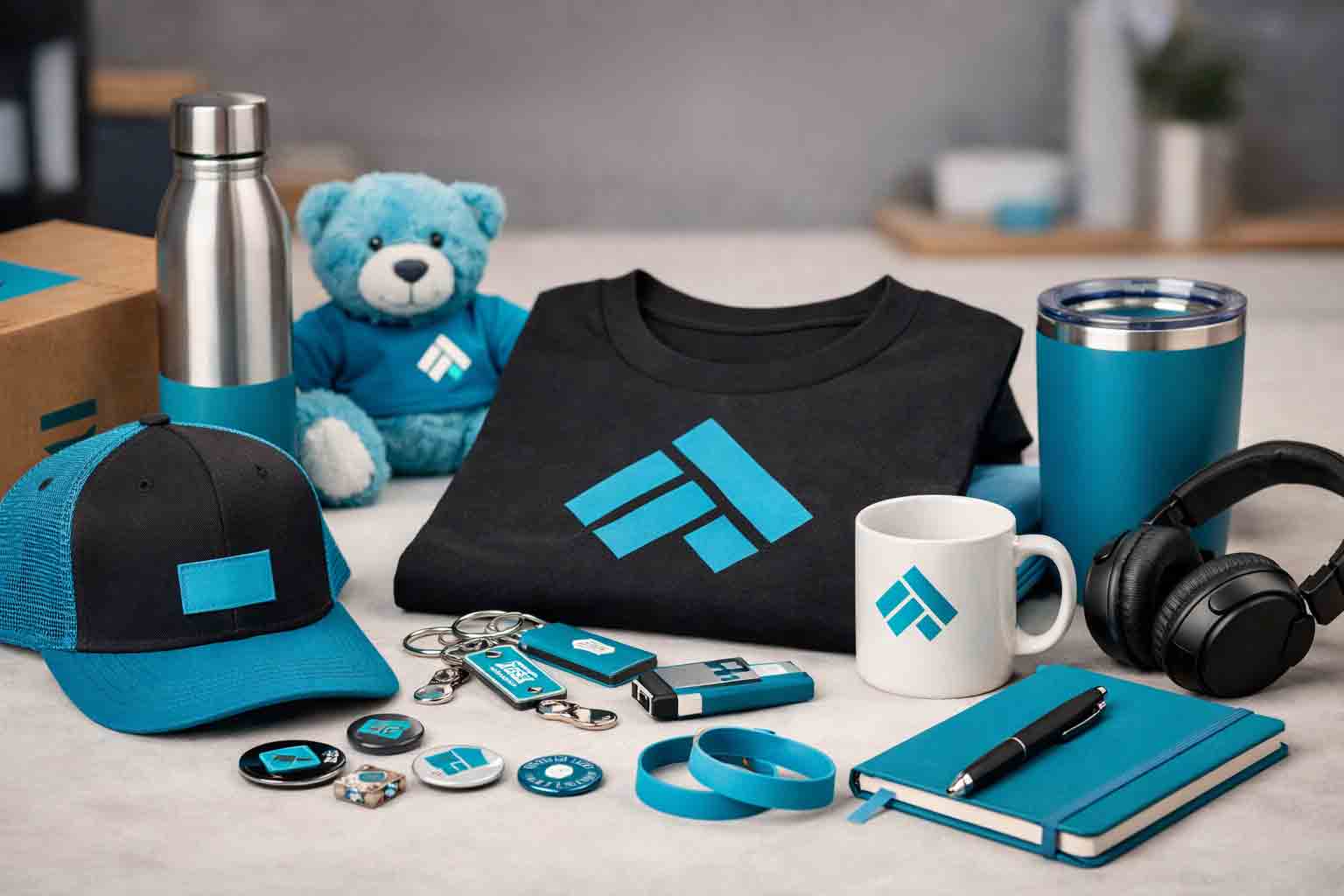
What is merchandise
Merchandise is any product a brand sells or gives away to build recognition, create loyalty, and generate extra revenue. Think beyond “just a t-shirt”: great merch can be wearable, collectible, useful, or gift-worthy—while still feeling on-brand and premium. Fabrikk helps brands turn that idea into a clean, repeatable merch setup that’s easy to manage and ready to scale.
Merchandise in plain English: what it includes and why it matters
Merchandise usually falls into two buckets: products you sell (to fans, customers, employees) and products you distribute (events, PR, onboarding, partnerships). The goal is simple: keep your brand visible and memorable in everyday life. When someone wears your hoodie, drinks from your mug, or uses your tote bag, your brand shows up repeatedly—without paying for every impression.
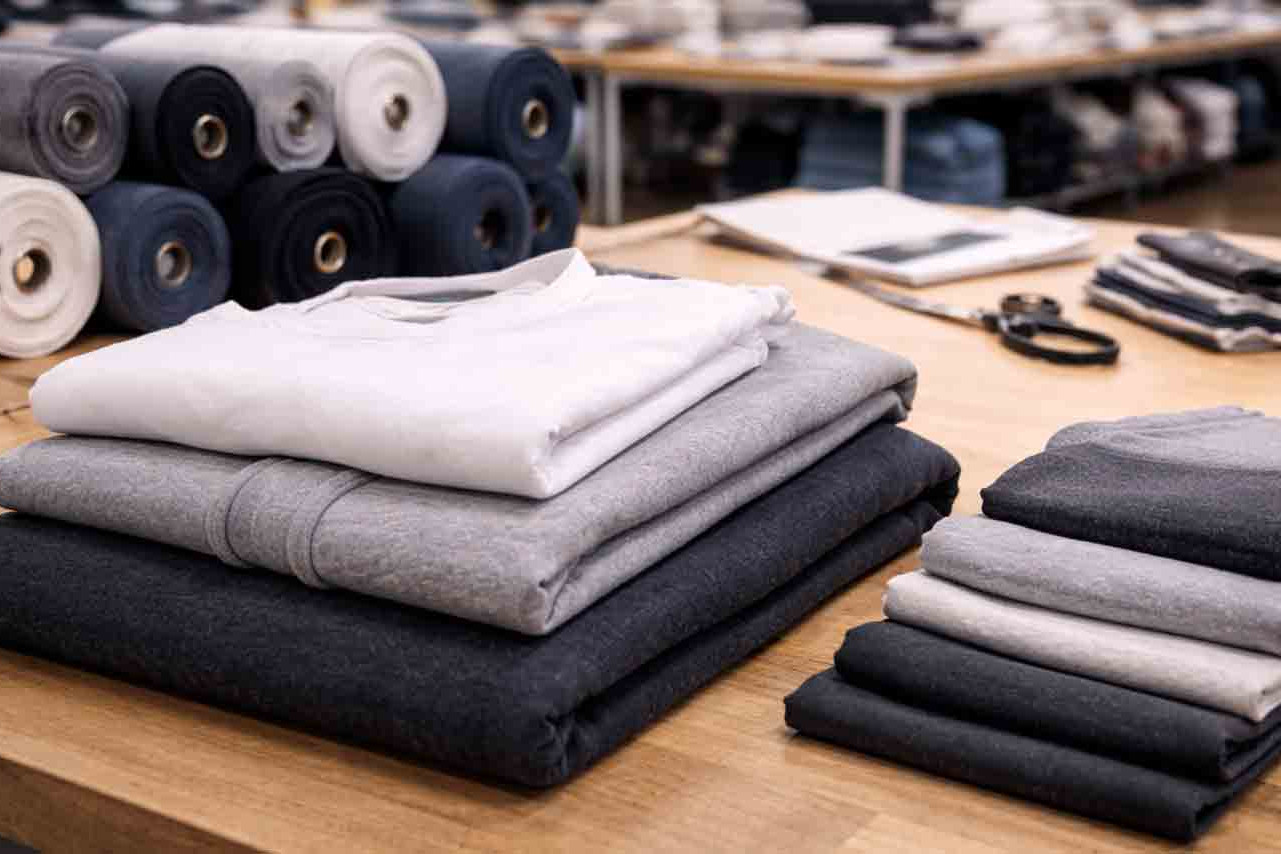
For a broad audience, the best merch is practical, durable, and easy to love. That means quality materials, clean branding, and a product that fits people’s routines. If it feels cheap, it hurts trust. If it feels premium, it becomes a “favorite,” and your brand earns long-term attention.
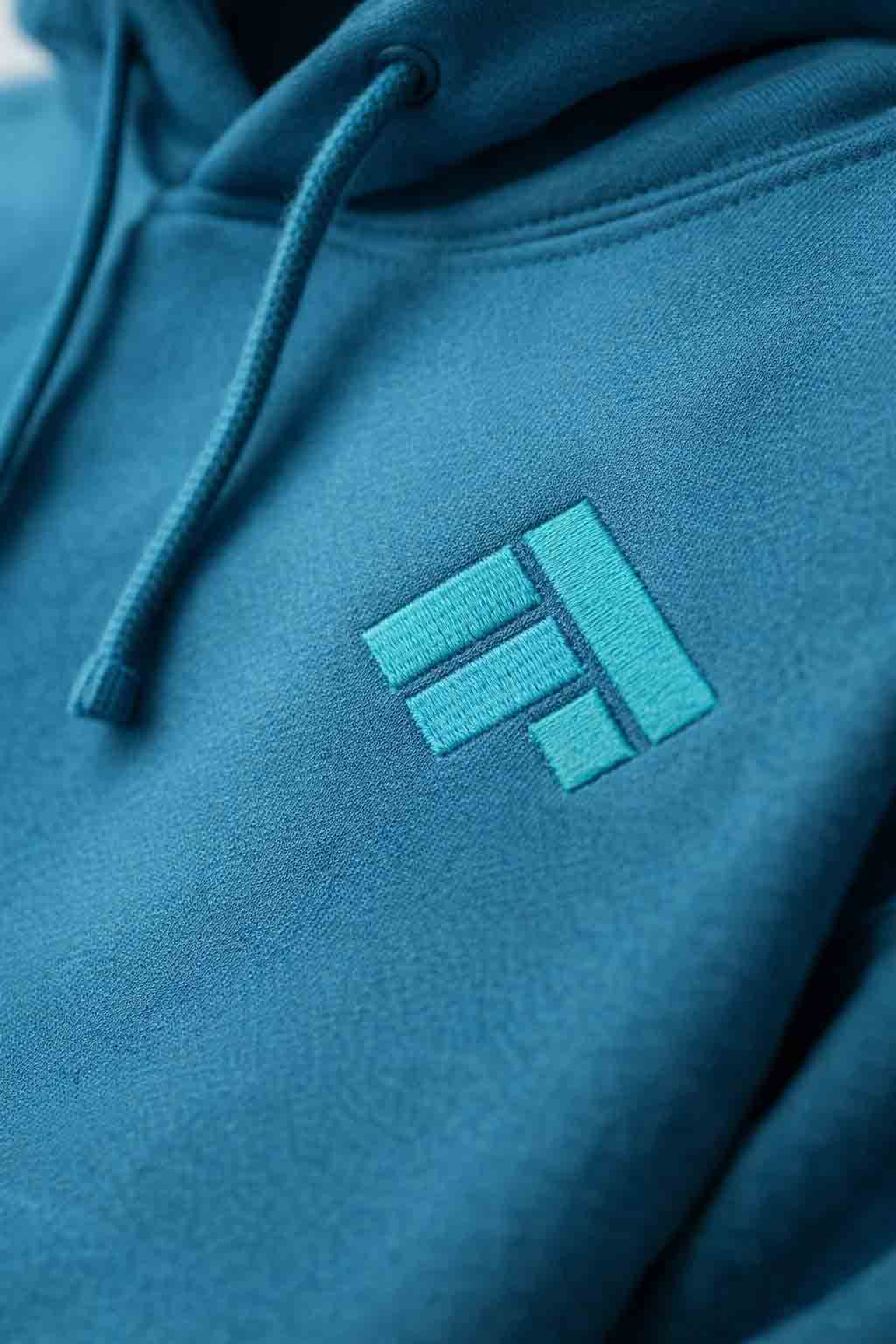
Top merchandise categories that perform well for most brands
If you want merch that works for a wide audience, start with items that people already buy and use. These categories tend to have strong “daily utility,” which means more repeat exposure for your brand.
- Apparel: tees, hoodies, caps, socks—best for visibility and community feel.
- Drinkware: mugs, tumblers, bottles—high-frequency use at home and work.
- Bags: totes and backpacks—great for commuting and events.
- Small collectibles: stickers, pins, patches—ideal as add-ons or bundles.
- Office & tech: notebooks, pens, laptop sleeves—popular for teams and corporate gifting.
A practical rule: pick one “hero” product (often a hoodie or tee) and 2–4 supporting items to create a small, high-converting collection.
Sell vs. giveaway: choosing the right merch strategy
Selling merch is about margin and repeat revenue. Giveaways are about reach and relationships. Both can work at the same time—if you plan the product mix. For example, a premium hoodie can be sold, while stickers and pins become low-cost bonuses that increase order value and reduce “cart hesitation.”
For giveaways, choose items that survive daily life: solid materials, clean printing, and packaging that doesn’t feel like an afterthought. For selling, focus on fit, feel, and size accuracy—because returns are where profit disappears.
Pricing and costs: what really drives your profit
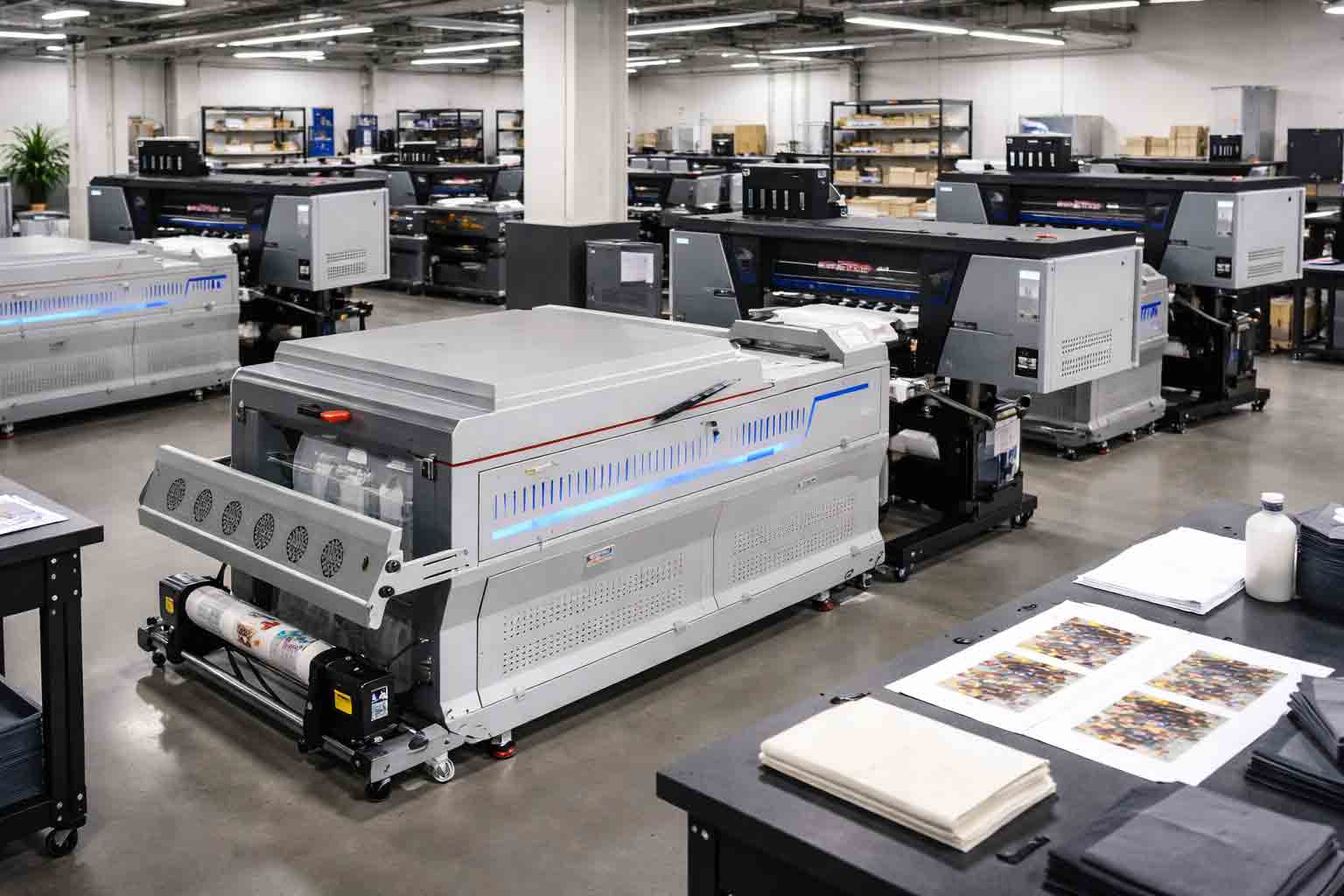
Merch profit is not only “selling price minus production.” It’s the full chain: product cost, decoration (print/embroidery), packaging, shipping, platform fees, and customer support. The more variants you offer (colors, fits, sizes), the more complex it gets—so your system needs to stay tidy.
To keep things predictable, build your collection around a few repeatable blanks and decoration methods. Use bundles to lift average order value, and consider limited drops to create urgency without overcommitting inventory. For practical background reading, see the general overview of merchandising here: Merchandising (overview).
How Fabrikk helps you launch premium merch without the chaos
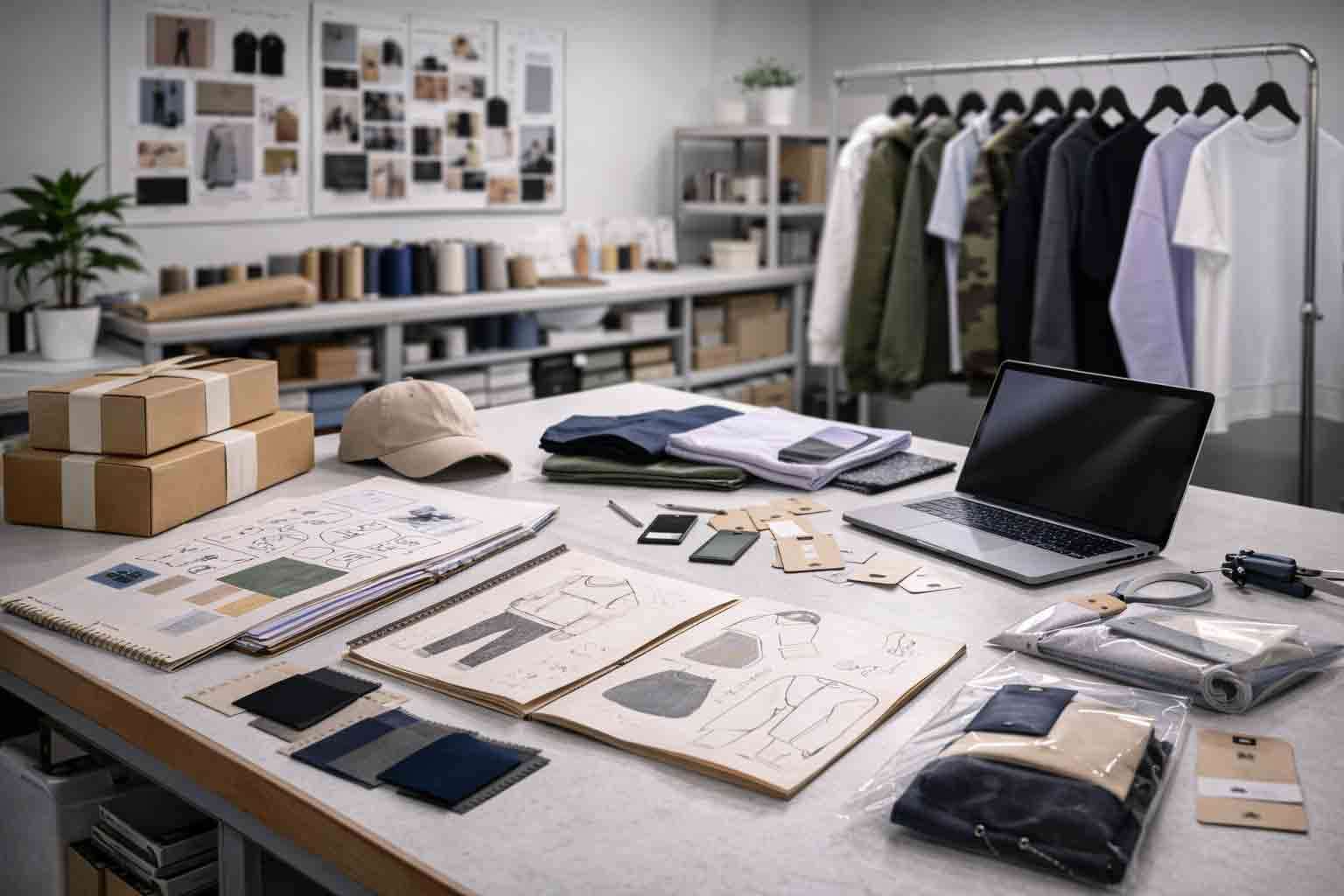
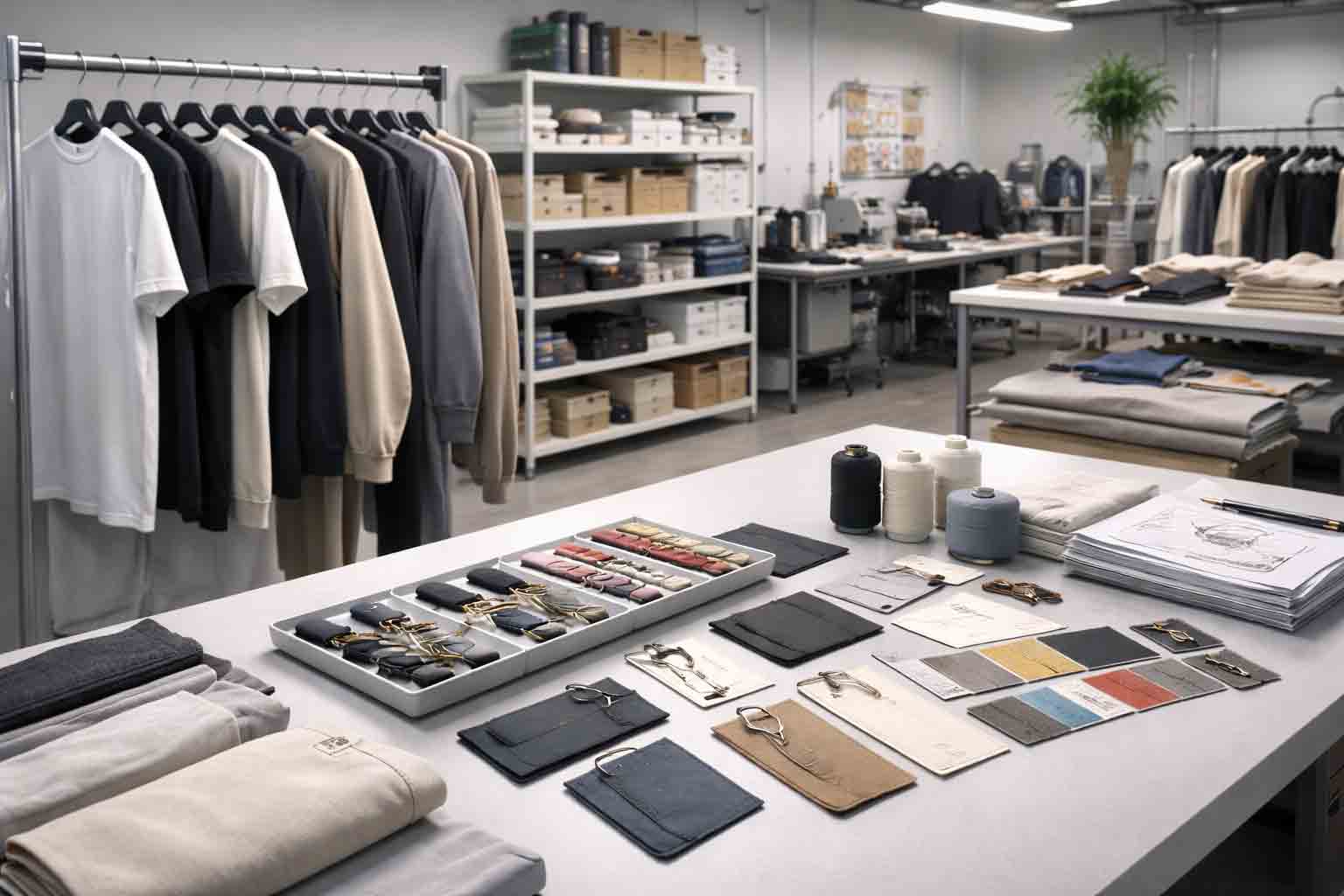
A strong merch setup needs consistency: product selection, branding placement, quality checks, and a smooth ordering flow. Fabrikk is built to make that practical. Instead of juggling suppliers, spreadsheets, and last-minute approvals, you get a clearer path from idea to launch.
Here’s what brands usually want most:
- Premium look and feel: merch that people actually want to keep using.
- Clear collection structure: fewer products, better performance.
- Reliable fulfillment: predictable delivery and fewer headaches.
- Scalable approach: start small, expand when demand proves itself.
The result is simple: a merch program that feels like part of your brand—not a side project.
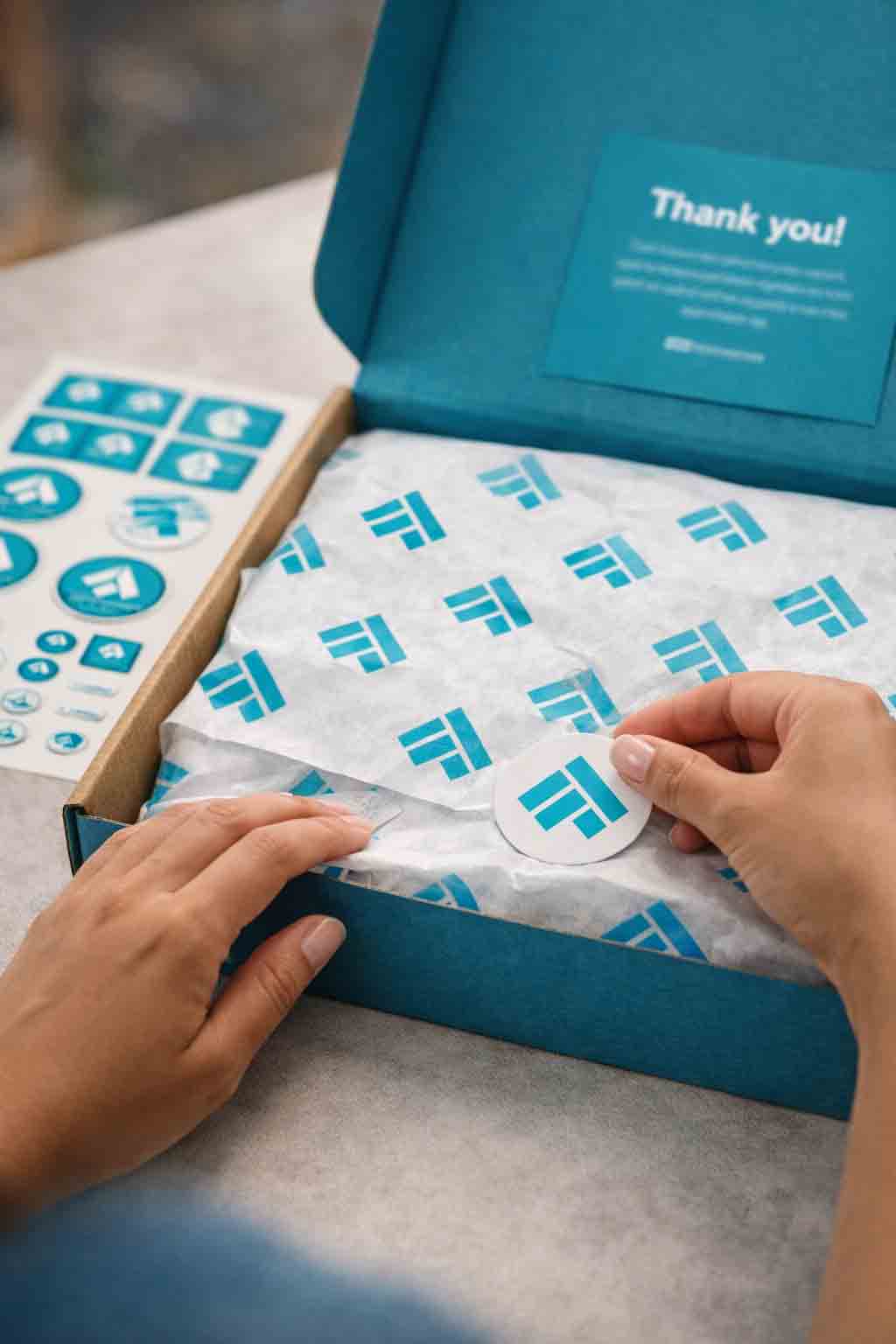
Design that sells: keep branding clean, not loud
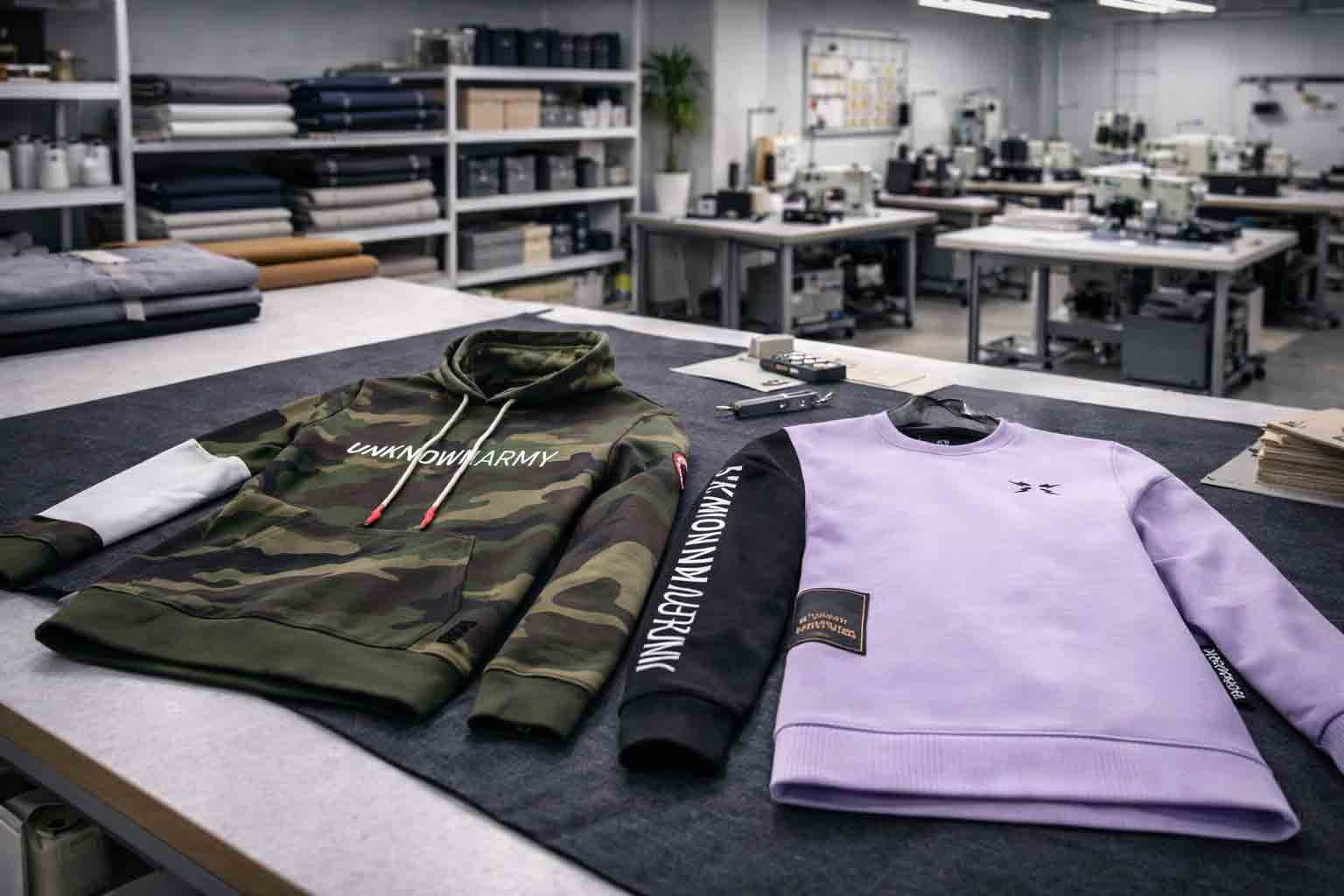
Commercial merch works best when it respects the wearer. Clean logo placement, calm colors, and premium decoration (like embroidery) often outperform huge prints. If you want louder designs, use them as limited drops—so your core collection stays timeless.
A hands-on tip: create one “quiet” design (small chest mark), one “statement” design (back print), and one “icon” item (cap or pin). That gives people choices without exploding your SKU count.
Launch checklist: set up a merch drop that doesn’t flop
Before you publish products, run this quick checklist to catch the common money-leaks and conversion killers.
- Pick 1 hero product + 2–4 supporting items (don’t launch with 20 SKUs).
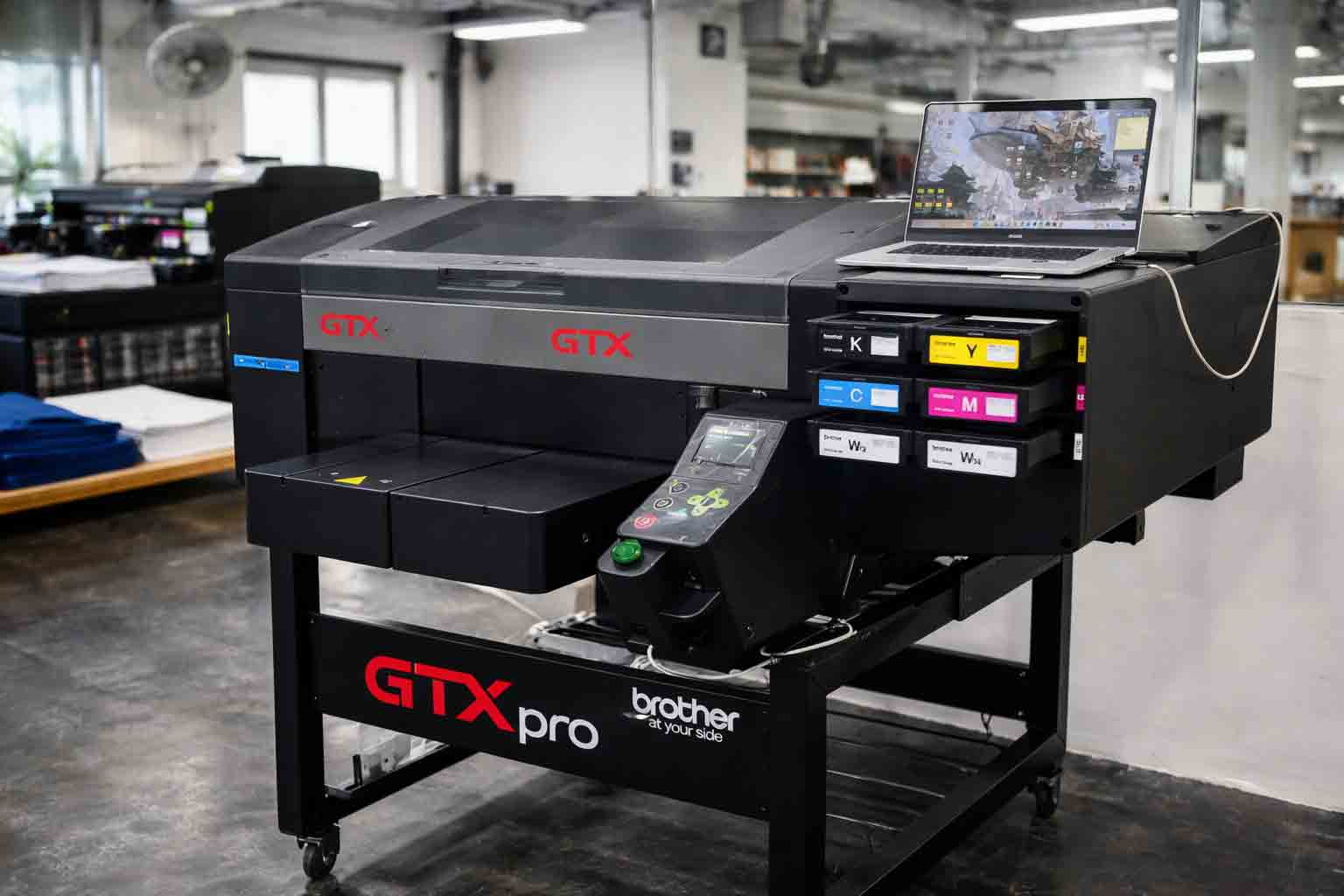
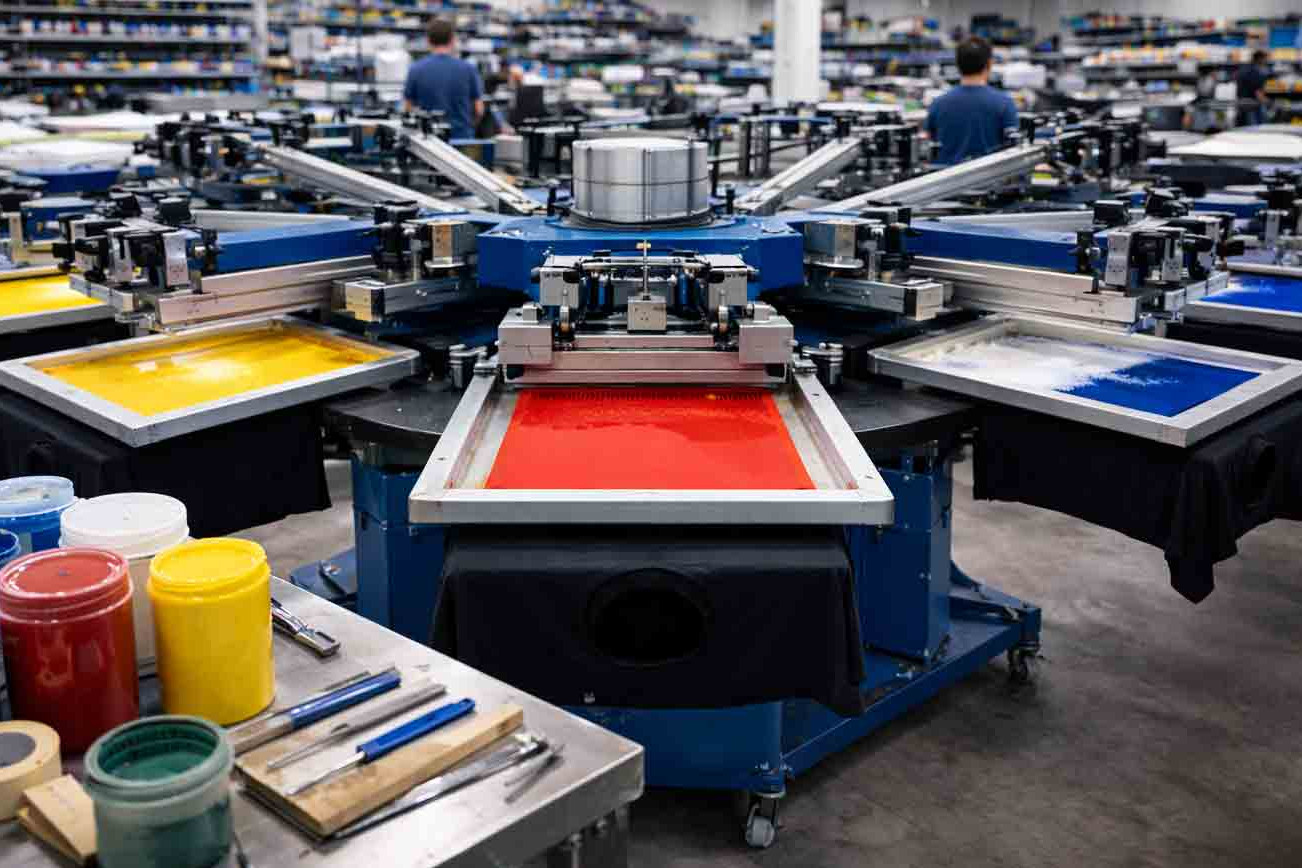
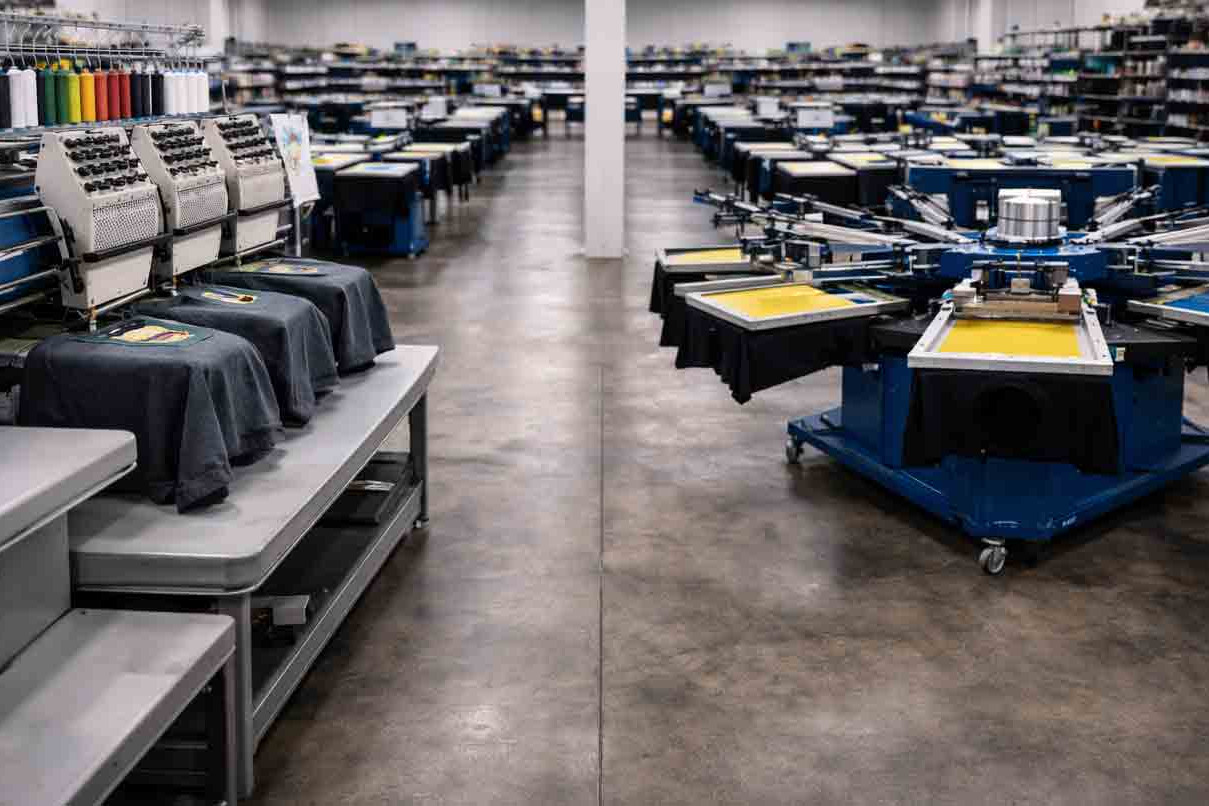
- Confirm your decoration method (print vs. embroidery) matches the product and budget.
- Lock in sizing info and product photos that show texture and fit.
- Write short, benefit-first product descriptions (what it feels like, how it fits, why it’s worth it).
- Set bundle options (e.g., hoodie + stickers) to increase average order value.
- Plan shipping expectations clearly (regions, timelines, tracking).
- Create a simple drop calendar: tease → launch → last-call.
- Decide your support flow for size exchanges or damaged items.
- Quality-check one physical sample before scaling.
- Add a low-cost add-on at checkout (stickers/pins) for easy upsells.
- Prepare a restock plan based on sales velocity (what sells first gets priority).
- Track basics: conversion rate, AOV, return rate, top sizes, top colors.
If you can tick these off, you’re already ahead of most first-time merch launches.
FAQ: common merchandise questions
Merchandise is usually part of a brand’s identity and can be sold for profit. Promotional products are typically given away to drive awareness. Many brands combine both: sell premium items and give smaller items as bonuses or event handouts.
Apparel (tees/hoodies), drinkware, and totes are the safest bets because people use them often. Start with utility-first items, then add collectibles like pins or stickers as add-ons.
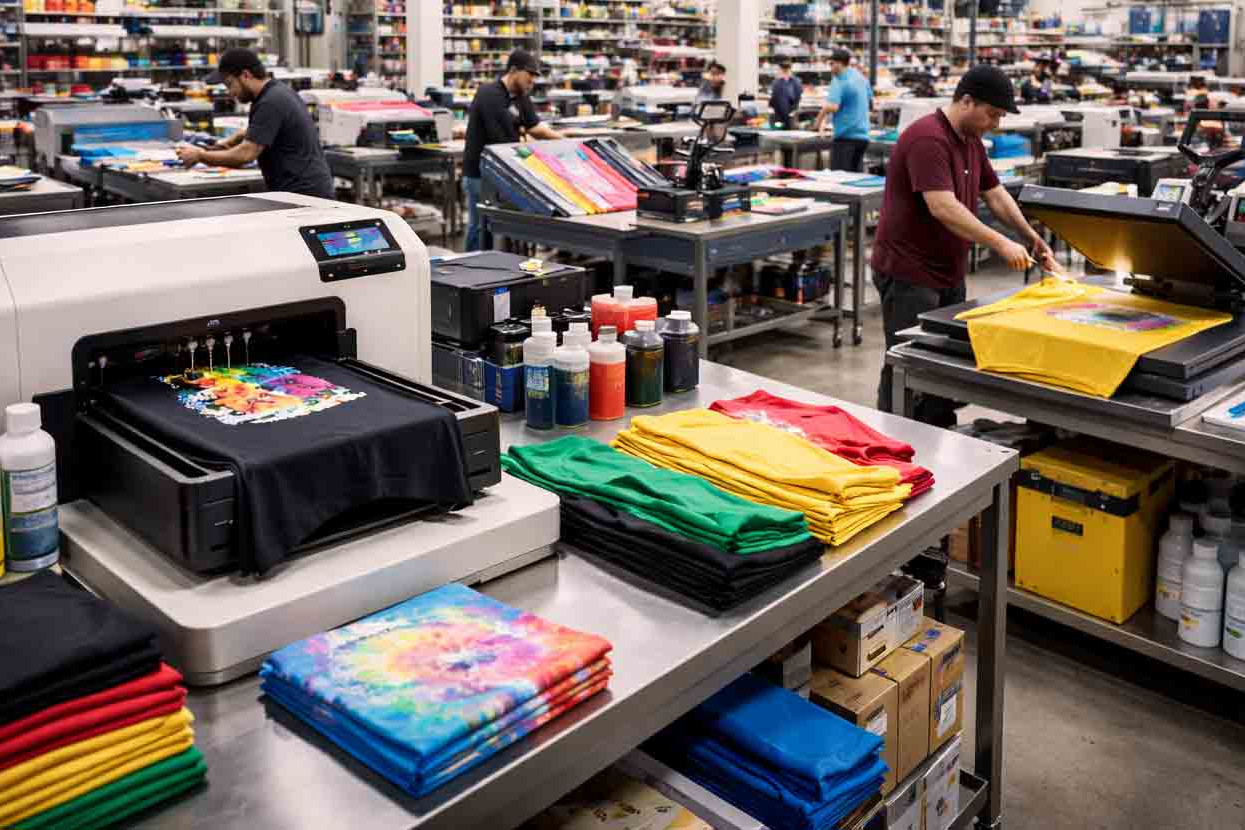
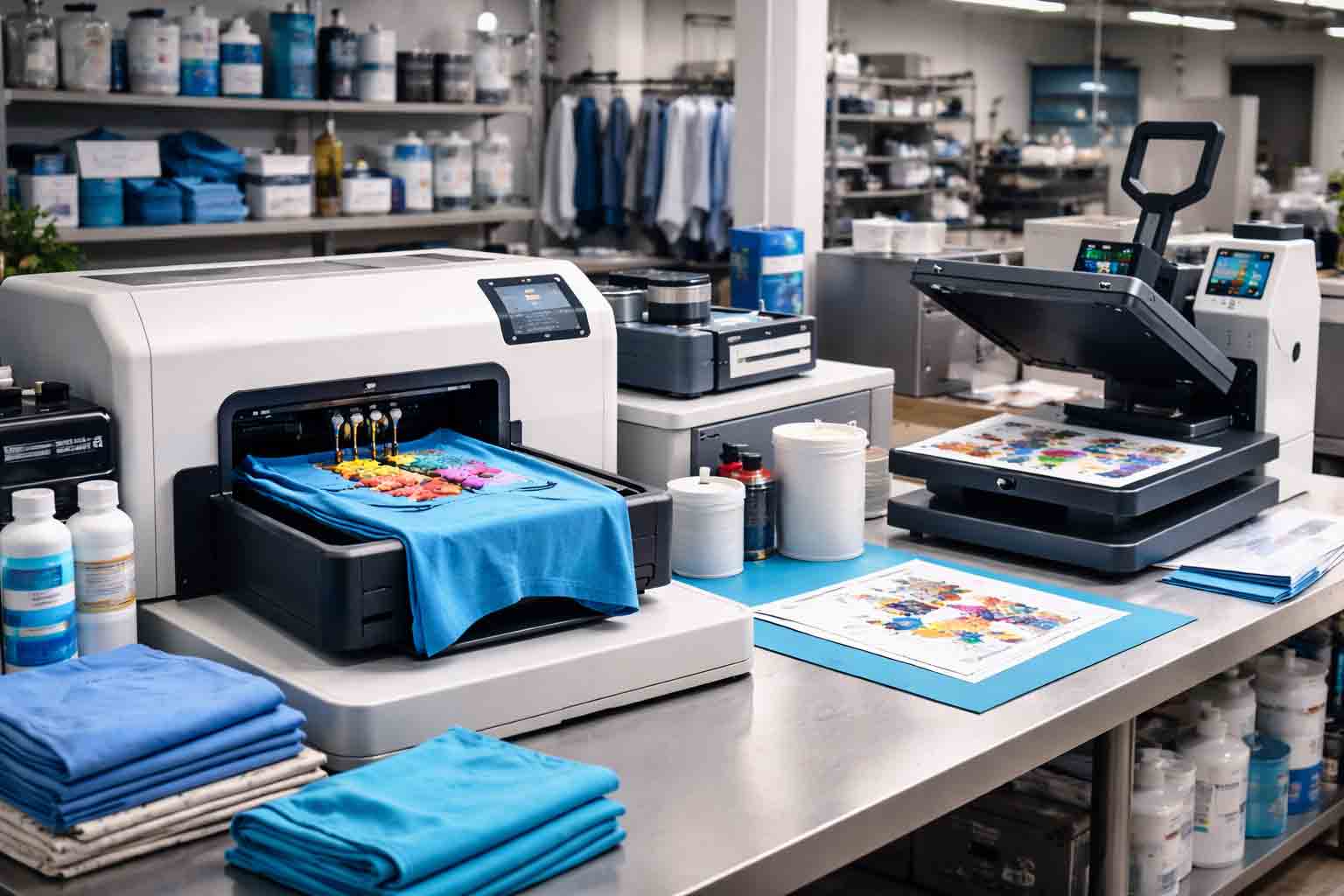
Embroidery often feels more premium and durable, especially on hoodies and caps. Printing can be better for bold artwork and lower unit costs. The best choice depends on your design style and expected price point.
Keep it tight: 3–5 items is enough for a strong first drop. A smaller collection is easier to manage, looks more premium, and helps you learn what your audience actually wants.
Match price to perceived value: quality, fit, decoration, and packaging. Use bundles to make pricing feel fair, and be transparent about what makes the product premium.
Provide accurate sizing info, clear photos, and fit guidance (regular/oversized). If possible, standardize on reliable blanks and test a sample before scaling.
Yes—limited drops create urgency and reduce inventory risk. Combine a stable “core” collection with occasional limited designs to keep attention high without constant complexity.
Three things: materials (weight and softness), decoration quality (clean stitching/print), and finishing details (labels, packaging, consistent colors). Premium is felt, not just seen.
Absolutely. B2B merch is great for onboarding, conferences, and customer gifting. Choose subtle branding and highly useful items that fit professional settings.
Do both if possible: events create fast awareness, online sales create steady revenue. Use events to collect feedback on sizing and favorites, then optimize your online collection.
Offer bundles, add-on items (stickers/pins), and free shipping thresholds. Also consider “complete the set” suggestions like cap + hoodie or mug + tote.
Pick one hero item, one decoration method, and one clean design direction. Then produce a sample, photograph it well, and launch with a clear drop date and a small set of sizes.
Next steps: turn interest into a real merch program
If you want merch that sells and strengthens your brand, keep it simple: start with a small premium collection, ship reliably, and learn from real orders. From there, you can expand with seasonal colors, limited drops, and better bundles—without losing control.