What Is GSM in Fabric and Why Does It Matter
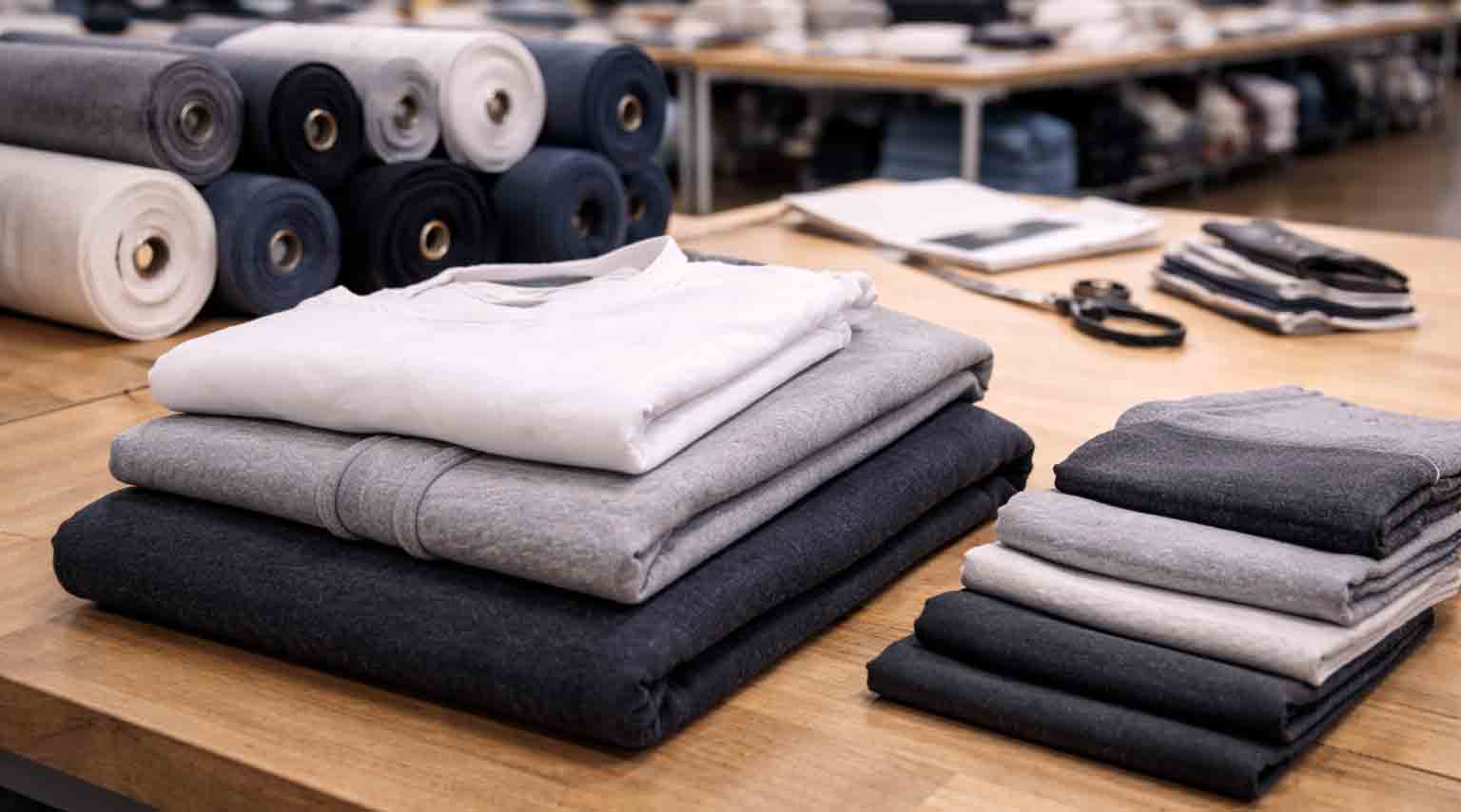
Fabric can look the same online and feel totally different in real life. One tee drapes softly and feels light; another feels dense, structured, and premium. If you want the practical answer to What Is GSM in Fabric and Why Does It Matter, it starts with one measurement: GSM.
GSM means grams per square meter. It tells you how much one square meter of fabric weighs. That single number influences comfort, warmth, durability, print results, and even shipping costs—so it matters for both customer experience and your margins.
GSM in plain English: what the number actually tells you
Think of GSM as fabric “body.” Lower GSM fabrics usually feel lighter and more flexible. Higher GSM fabrics usually feel heavier, more stable, and more structured on-body.
Important: GSM isn’t a quality stamp. Yarn quality, knit structure, and finishing can make two fabrics with the same GSM feel totally different. GSM is your starting point—sampling and wash testing confirm what’s truly premium.
Neutral reference on the measurement concept: Grammage (overview).
Typical GSM ranges for tees, hoodies, and sweatshirts
Use these ranges as a quick, real-world guide for planning product feel and positioning.
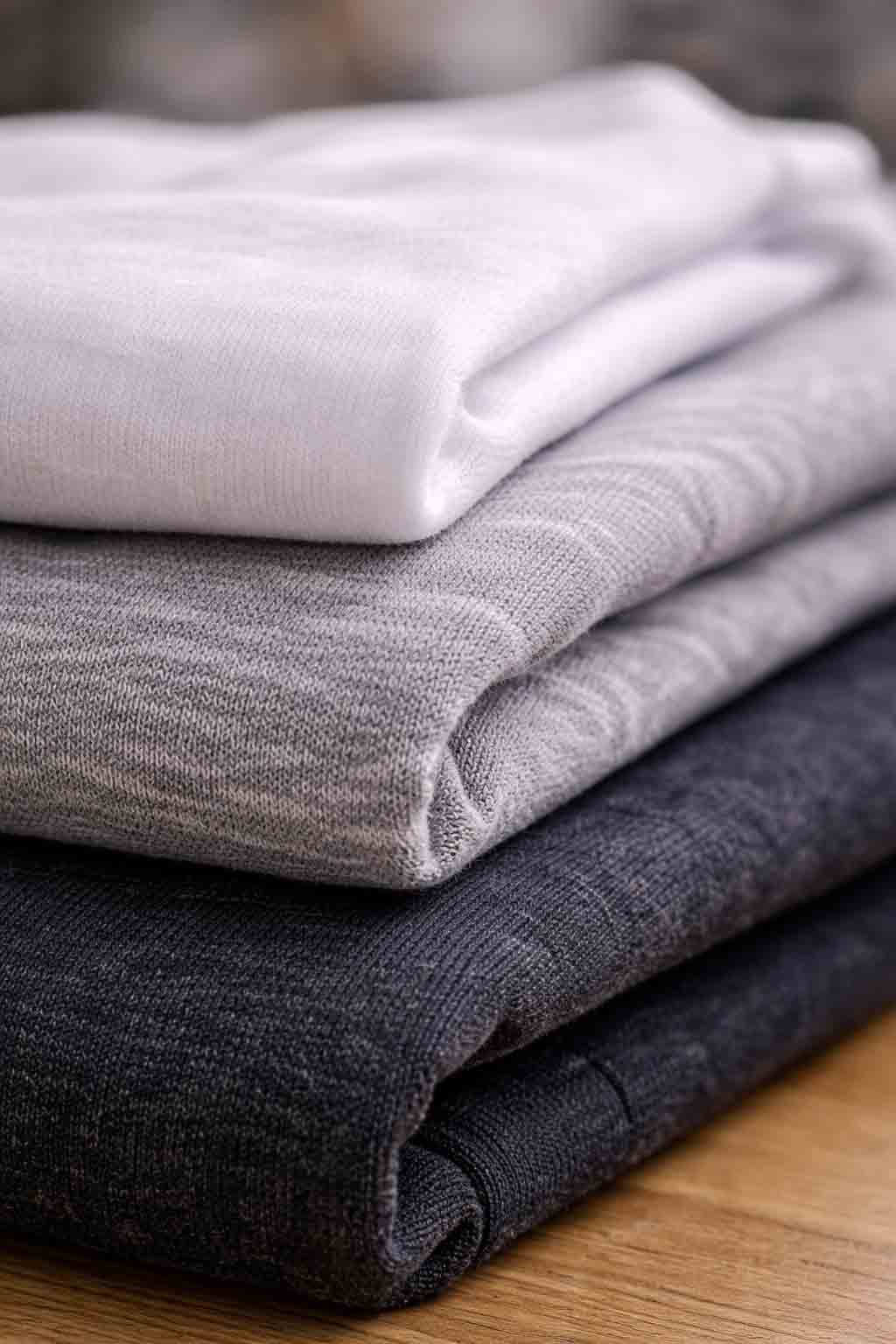
- 120–160 GSM: Lightweight tees (breathable, summer/event friendly).
- 170–210 GSM: Midweight tees (balanced, broad-audience comfort).
- 220–260 GSM: Heavy tees (structured, streetwear vibe, premium signal).
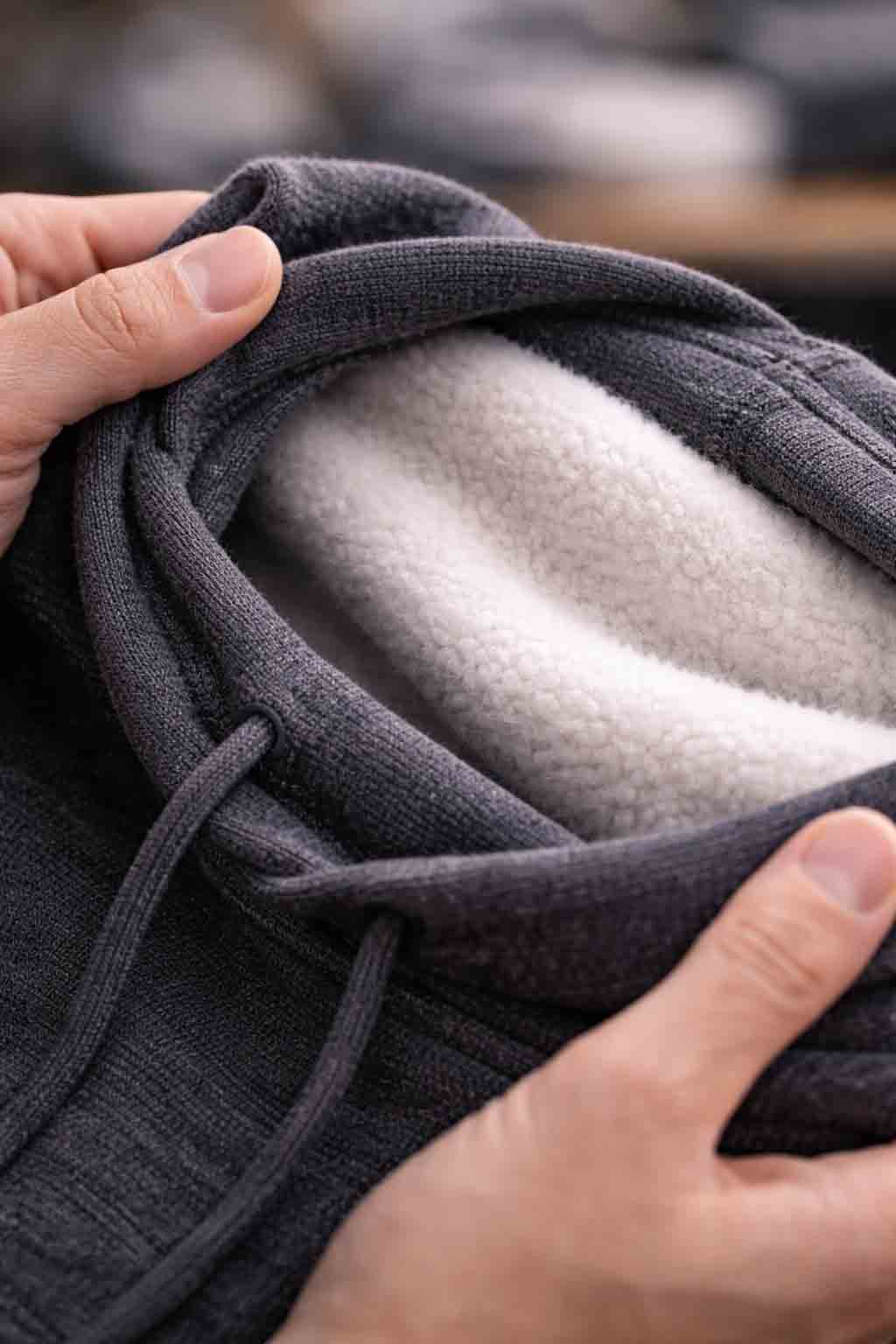
- 280–340 GSM: Standard sweatshirts/hoodies (warm, durable core range).
- 350–450+ GSM: Heavy premium hoodies (dense, warm, highly structured).
The “best” GSM isn’t the highest—it’s the one your audience will actually want to wear at your price point.
Comfort, drape, and warmth: how GSM changes the wearing experience
Lower GSM fabrics are usually cooler and more breathable. They’re great for summer drops, active lifestyles, and layering. The risk is that low GSM can feel “flimsy” if yarn quality is weak, and it can wear faster at friction points.
Higher GSM fabrics hold shape better and can feel more premium in hand. They also add warmth, which is ideal for hoodies and colder seasons. The trade-off is weight and heat: heavy tees can feel too warm in summer, and heavyweight hoodies aren’t for everyone year-round.
Printing and embroidery: why fabric weight affects decoration results
Decoration lives on fabric, not on a spec sheet. Very light fabrics can distort more under pressure (like transfers) and may feel less stable under heavy ink coverage. Midweight and heavier fabrics usually handle decoration more consistently because there’s more “body” supporting the surface.
For embroidery, lightweight fabrics can pucker under dense stitching. Heavier GSM fabrics often embroider cleaner—especially for small chest logos and premium finishing. The practical move is matching decoration method to both fabric weight and garment purpose.
How Fabrikk helps brands choose the right GSM (without guessing)
At Fabrikk, GSM is selected as part of your product strategy. We match fabric weight to your audience, climate, use case, decoration plan, and margin goals—then validate with real samples so reorders stay consistent.
Here’s what we align before locking GSM:
- Use case: summer tee, year-round staple, winter hoodie, uniform, or statement piece.
- Hand-feel goal: airy, balanced, or heavyweight premium.
- Decoration: print coverage, embroidery density, and placements.
- Commercial reality: cost structure, margins, and shipping weight.
- Consistency: ability to reorder the same spec reliably.
The goal is simple: garments that feel intentional, wear well, and sell confidently.
GSM selection checklist: approve fabric with confidence
Before you commit to bulk production, use this checklist to keep decisions practical and low-risk.
- What season is this product designed for (summer, winter, all-season)?
- Do you want airy comfort, balanced everyday, or heavyweight premium?
- Will customers wear it layered or standalone?
- How much decoration coverage will you add (small logo vs full-front)?
- Does your decoration method need extra stability?
- Does this GSM support your price point and margin?
- Have you tested shrinkage and twisting after washing?
- Does it pill easily at this weight and finish?
- Does it feel soft enough (not just “thick”)?
- Will shipping weight impact fulfillment cost?
- Can you reorder the same spec consistently?
- Did you approve an in-hand, wash-tested sample?
Answer these once, and GSM becomes a strategic choice—not a guess.
FAQ: GSM questions brands ask all the time
GSM means grams per square meter. It measures fabric weight and strongly influences how light or heavy a garment feels.
No. Higher GSM is heavier, but quality depends on yarn, knit structure, and finishing. Always validate with samples.
Many brands choose 170–210 GSM for a balanced feel that works for a broad audience.
Often 220–260 GSM. It feels more structured and premium in-hand.
A common hoodie range is 280–340 GSM; premium heavyweight hoodies often use 350–450+ GSM.
Usually yes. Heavier fabrics often feel warmer, but fiber type and finishing also matter.
Yes. Heavier fabrics are often more stable and handle larger print coverage more consistently.
Yes. Lightweight fabrics can pucker under dense stitching; heavier fabrics often embroider cleaner.
Not exactly. GSM measures weight, not thickness. Structure and yarn also affect how thick fabric feels.
Yarn quality, knit density, and finishing (like brushing or enzyme washes) can change hand-feel significantly.
Request swatches and a sample garment, then wash-test and wear-test for shrinkage, feel, and durability.
Often yes, because more material is used and shipping weight can increase. Balance premium feel with commercial reality.
Final takeaway
You now have the practical answer to What Is GSM in Fabric and Why Does It Matter: GSM shapes comfort, durability, decoration performance, and cost. Choose the weight that fits the product goal, then confirm it with real samples and wash tests so quality stays consistent over time.