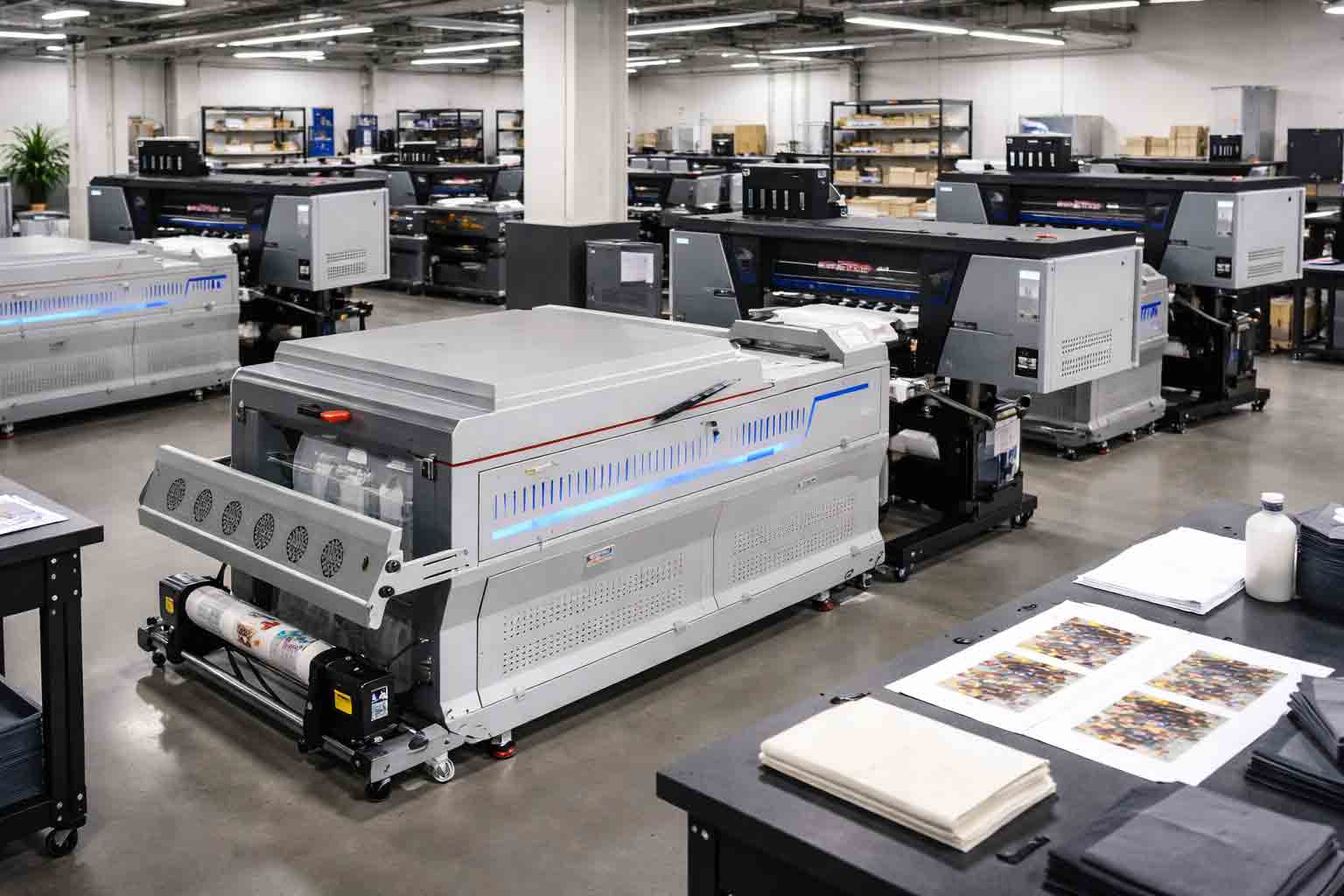
What is DTF printing
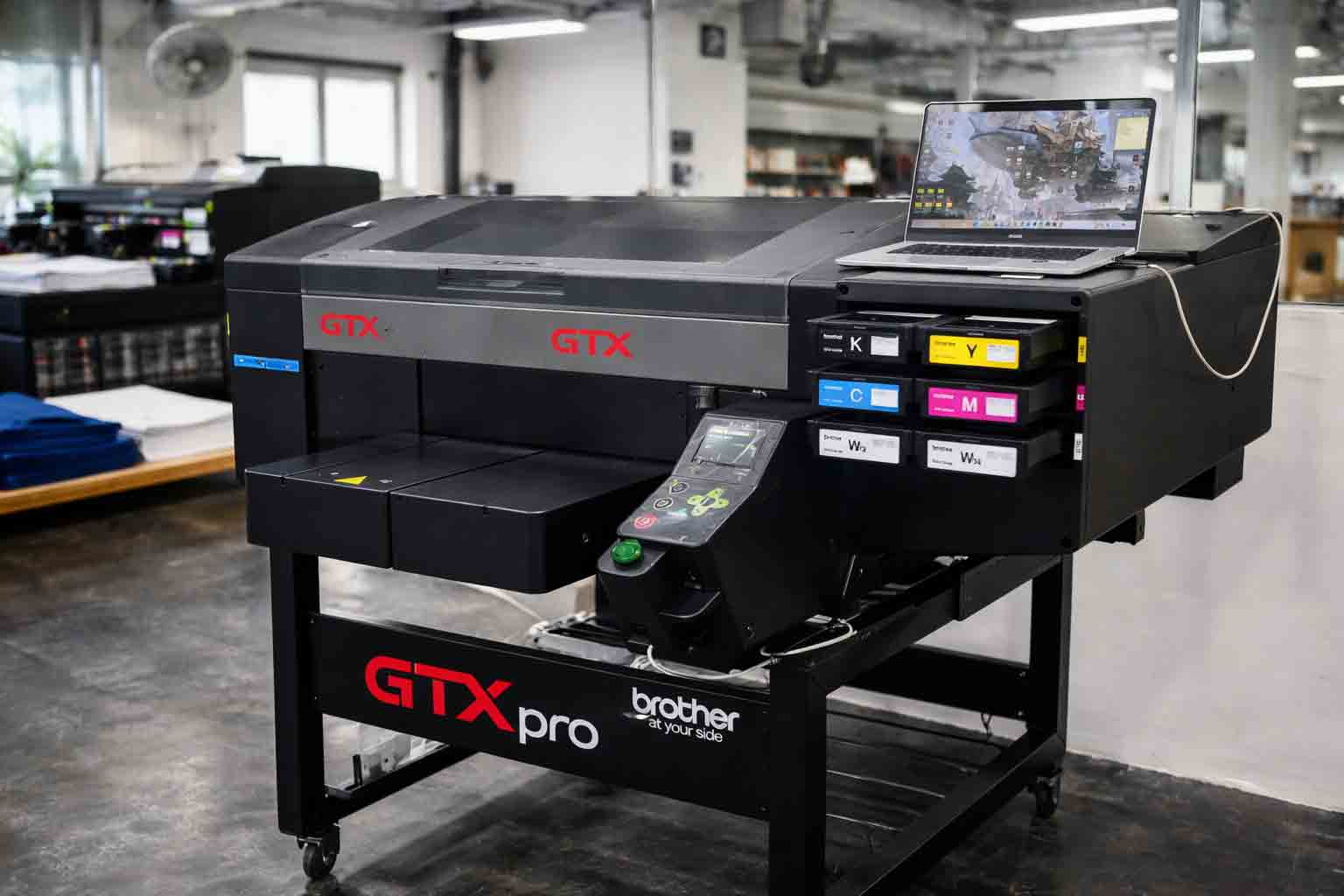
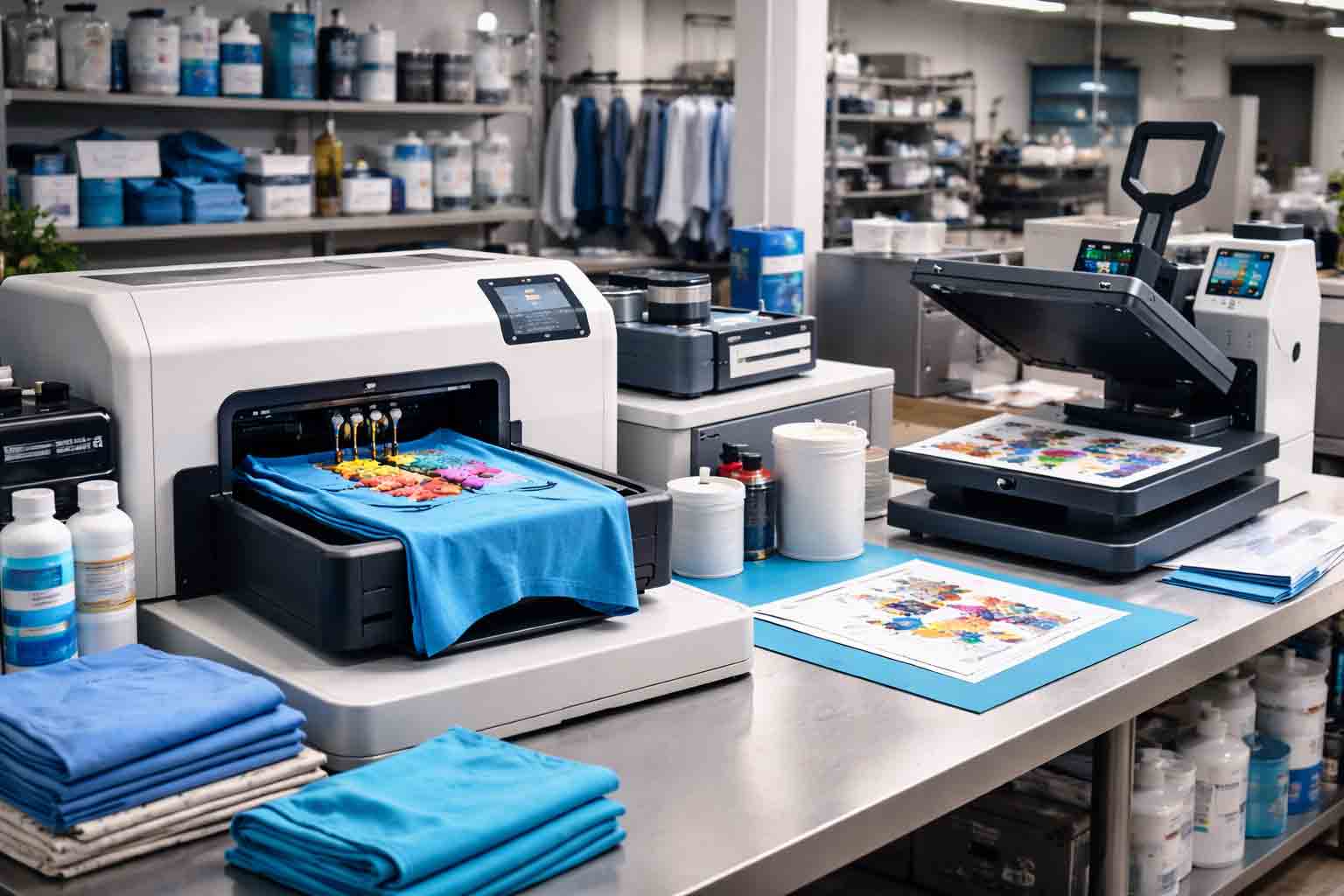
DTF stands for Direct-to-Film. It’s a modern decoration method where your design is printed onto a special film, coated with adhesive powder, cured, and then heat-pressed onto fabric. If you’re producing apparel or merch, What is DTF printing is a question worth answering early—because it can be fast, flexible, and commercially smart when you use it for the right products.
The big appeal is versatility: DTF can work on many fabric types and colors, and it’s often efficient for small-to-medium runs. The best results come from dialing in the workflow (film, powder, curing, and press settings) and choosing artwork that suits the process.
How DTF printing works: the step-by-step workflow
DTF is best understood as a controlled production chain. Each step affects durability, feel, and consistency—especially when you scale.
- Print to film: The design is printed (usually CMYK + white) onto a PET film.
- Apply adhesive powder: Powder is added to the printed areas to create the bonding layer.
- Cure the powder: Heat cures the adhesive so it’s ready to transfer.
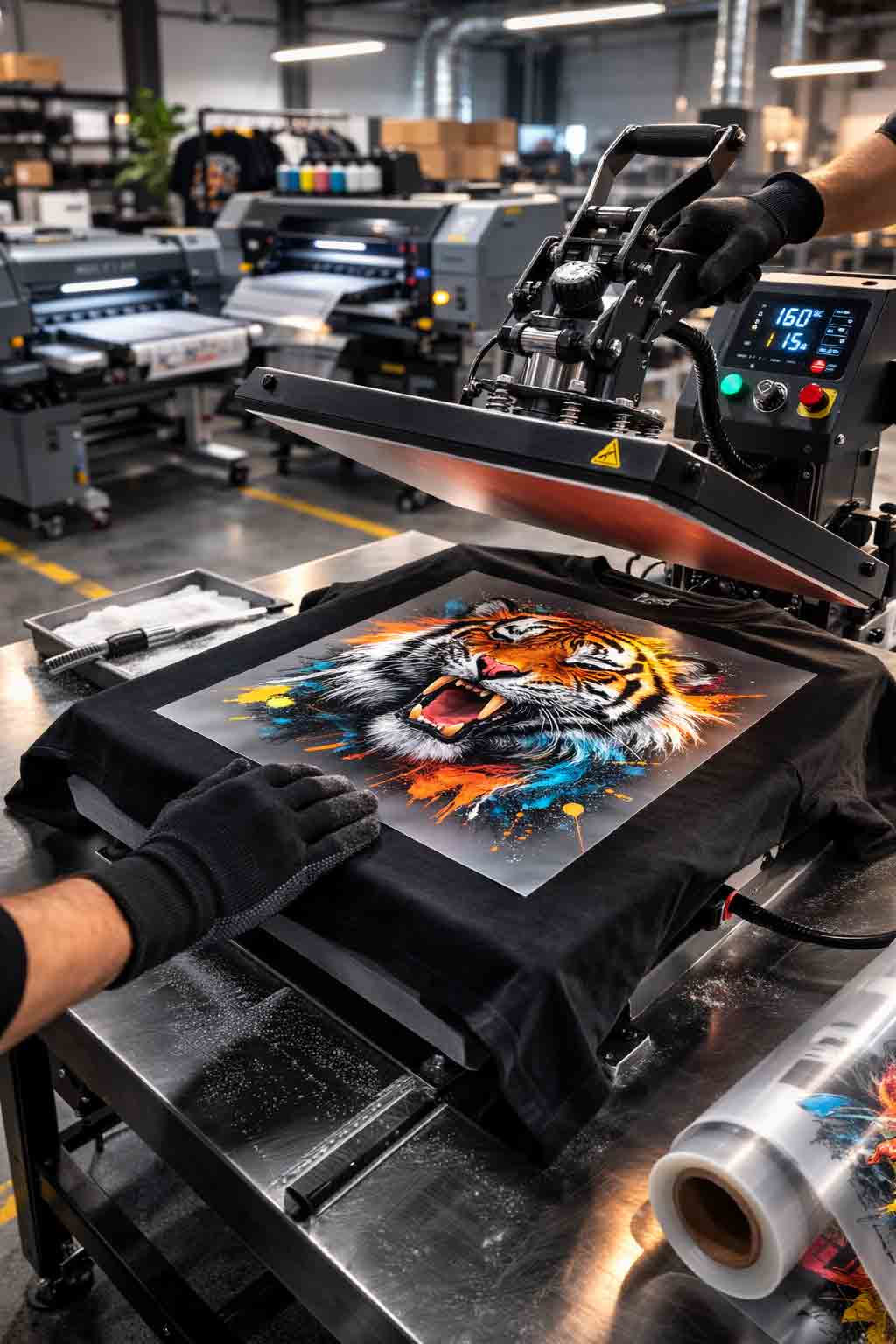
- Heat press: The film is pressed onto the garment with time/temperature/pressure settings.
- Peel + finish: Film is peeled (hot/warm/cold depending on film type) and often pressed again for a smooth finish.
When the chain is stable, you get repeatable transfers with sharp detail and strong adhesion.
Where DTF shines: speed, flexibility, and small-batch efficiency
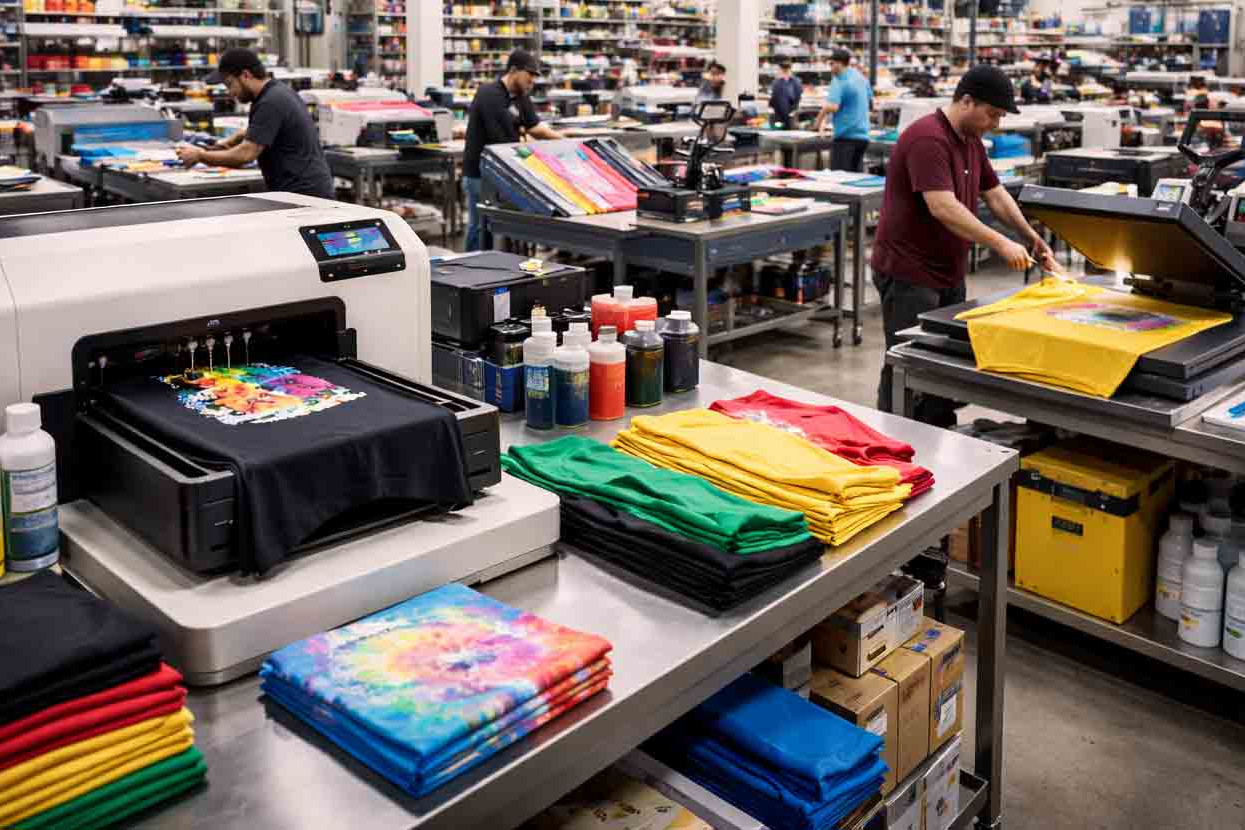
DTF is often chosen when you need good detail, lots of colors, and fast turnaround—without setting up screens or committing to high minimums. It’s especially practical when you’re testing designs, running limited drops, or offering multiple variants.
Commercial strengths you can plan around:
- Multi-color designs: Complex artwork without extra setup per color.
- Wide material compatibility: Works across many cotton/synthetic blends.
- Small-to-medium runs: Efficient when you don’t want big setup overhead.
- On-demand style workflows: Transfers can be made ahead and pressed when needed.
DTF vs screen printing vs DTG: how to choose fast
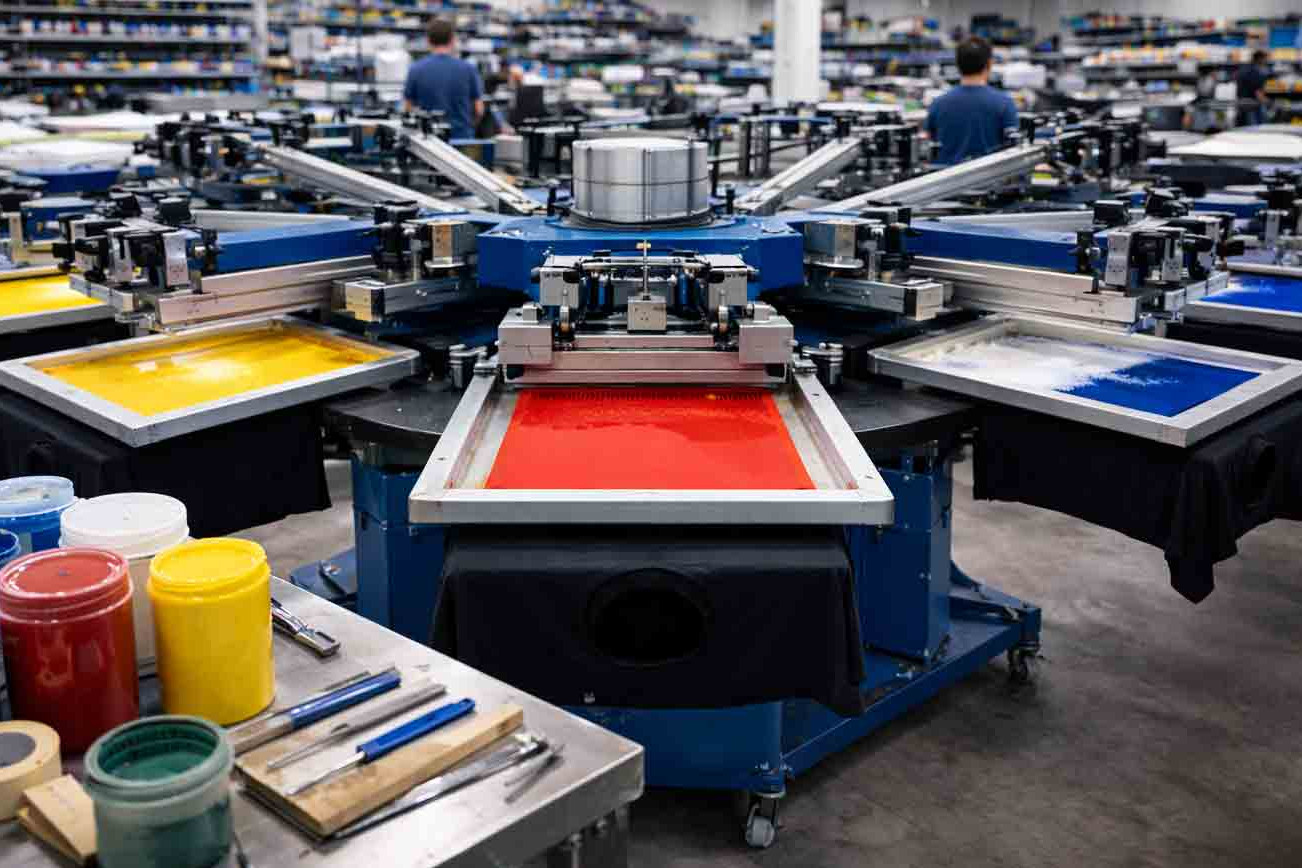
If you’re picking a method, think about volume, artwork, and the “feel” you want. Screen printing is cost-effective for high quantities and simple color counts. DTG can be great for soft, detailed prints on cotton (especially small batches), but fabric type and pretreatment matter a lot. DTF sits in a flexible middle: it handles detail and color well and can be efficient for varied runs.
What impacts quality: the 5 most common DTF mistakes
Before you scale production, avoid the usual pitfalls. Most “DTF problems” come from one weak link in the chain.
- Wrong press settings: Too low heat or pressure reduces adhesion; too high can scorch or distort.
- Over/under powder: Too much can feel thick; too little can cause peeling.
- Weak curing: Under-cured adhesive can fail after washing.
- Bad alignment + finishing: Poor placement or skipping the second press can reduce professional feel.
- Artwork not optimized: Ultra-fine details or heavy full-front coverage can feel stiff if not planned.
A production-minded setup makes DTF feel premium—because it looks clean and wears consistently.
Example cluster: real-world DTF printing use cases (what works best)
| Example | Why DTF fits | Pro tips |
|---|---|---|
| Small chest logo tees for brands | Sharp detail, easy scaling across colorways | Keep placement small for softer feel |
| Event merch with fast deadlines | Quick setup, multi-color without screens | Pre-make transfers and press on demand |
| Teamwear name/number add-ons | Flexible personalization without huge overhead | Use consistent press settings + test wash |
DTF pricing drivers: what actually changes your unit cost
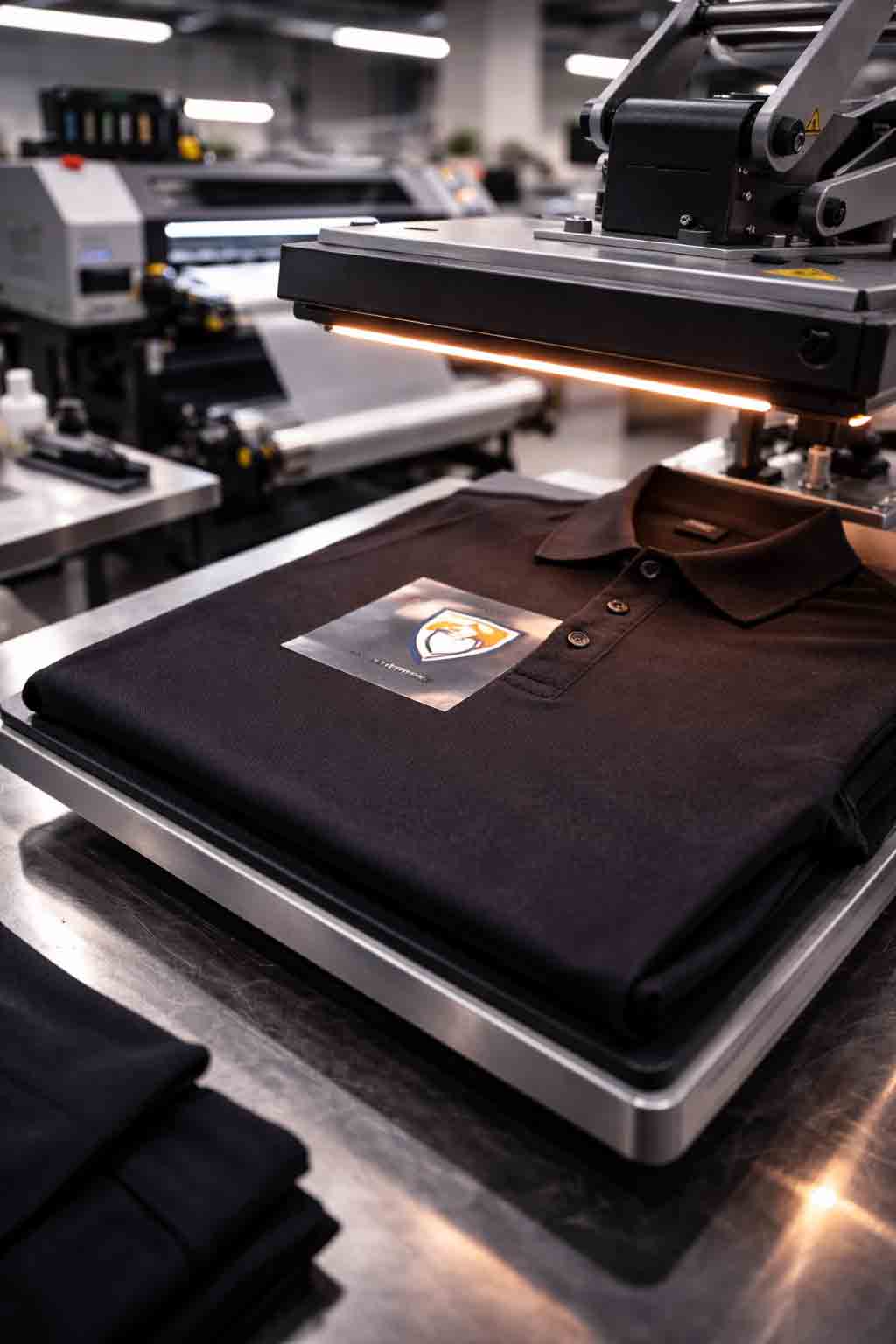
DTF cost is usually driven by coverage (how big the design is), how many placements you have, film and powder usage, and the time on press. A small chest logo is typically far more efficient than a huge full-front design.
If you want a smarter cost structure, start by controlling design size, limiting placements, and batching press work efficiently. That’s the easiest way to keep quality high while protecting margin.
Fabrikk’s hands-on approach: choosing DTF when it makes sense
At Fabrikk, we don’t treat DTF as a one-size-fits-all solution. We recommend it when it matches the product goal: fast turnaround, flexible runs, detailed artwork, and a repeatable workflow. We also help you avoid the classic issues (stiff feel, peeling, inconsistent finish) by aligning artwork, garment choice, and press settings.
If your goal is premium merch that sells and reorders well, we’ll help you pick the right method—and make sure it stays consistent batch after batch.
DTF checklist: approve a production-ready setup
Use this checklist before you scale production. It keeps results consistent and avoids costly rework.
- Confirm film type (hot/warm/cold peel) and document it.
- Standardize press settings (time/temperature/pressure) per garment.
- Test adhesion on every fabric type you plan to sell.
- Check stretch and recovery (especially on blends).
- Run at least one wash test cycle and inspect edges.
- Keep artwork optimized (avoid huge solid blocks if softness matters).
- Limit placements to control cost and keep production efficient.
- Batch press work to reduce variation and speed up output.
- Do a second press where needed for a smoother finish.
- Inspect powder coverage consistency (no bare patches, no clumps).
- Confirm curing consistency (no under-cure soft powder areas).
- Store transfers properly to avoid moisture/contamination issues.
If these points are locked, your DTF production becomes predictable—and that’s where profit lives.
DTF checklist: approve a production-ready setup
Use this checklist before you scale production. It keeps results consistent and avoids costly rework.
- Confirm film type (hot/warm/cold peel) and document it.
- Standardize press settings (time/temperature/pressure) per garment.
- Test adhesion on every fabric type you plan to sell.
- Check stretch and recovery (especially on blends).
- Run at least one wash test cycle and inspect edges.
- Keep artwork optimized (avoid huge solid blocks if softness matters).
- Limit placements to control cost and keep production efficient.
- Batch press work to reduce variation and speed up output.
- Do a second press where needed for a smoother finish.
- Inspect powder coverage consistency (no bare patches, no clumps).
- Confirm curing consistency (no under-cure soft powder areas).
- Store transfers properly to avoid moisture/contamination issues.
If these points are locked, your DTF production becomes predictable—and that’s where profit lives.
FAQ: DTF printing questions (quick answers)
DTF stands for Direct-to-Film: printing a design onto film, then transferring it to fabric with heat and adhesive.
It can be very durable when film, powder, curing, and press settings are correct and wash-tested.
Often yes, which is one reason it’s popular—but always test adhesion and stretch per fabric.
It can, especially with large solid coverage. Smaller designs and optimized artwork usually feel more premium.
Not always. Screen printing often wins on high volumes and simple designs. DTF shines for flexibility and multi-color detail in smaller runs.
It depends. DTG can feel very soft on cotton; DTF is often more flexible across fabric types. Choose based on product and expectation.
Yes, but results depend on print quality and settings. Always test fine lines and small text-like details (without using actual text in artwork samples).
Common causes are under-curing, incorrect press settings, insufficient powder, or poor compatibility with the garment fabric.
Small-to-medium batches, multi-color artwork, quick turnaround merch, and mixed fabric programs—when calibrated properly.
Basic care helps: wash inside-out, avoid very high dryer heat, and follow tested care guidance from your supplier.
Yes. Many workflows print transfers in advance and press garments on demand—great for drops and personalization.
Use optimized artwork, avoid huge solid blocks, standardize press settings, do a finishing press, and always wash-test before scaling.
Final takeaway
Now you’ve got a clear answer to What is DTF printing: it’s a film-based transfer workflow that can be fast, flexible, and commercially smart when used for the right products. If you align garment choice, artwork, and press settings—and validate with wash tests—DTF can be a reliable method for modern merch and apparel production.