What Is Private Label Clothing
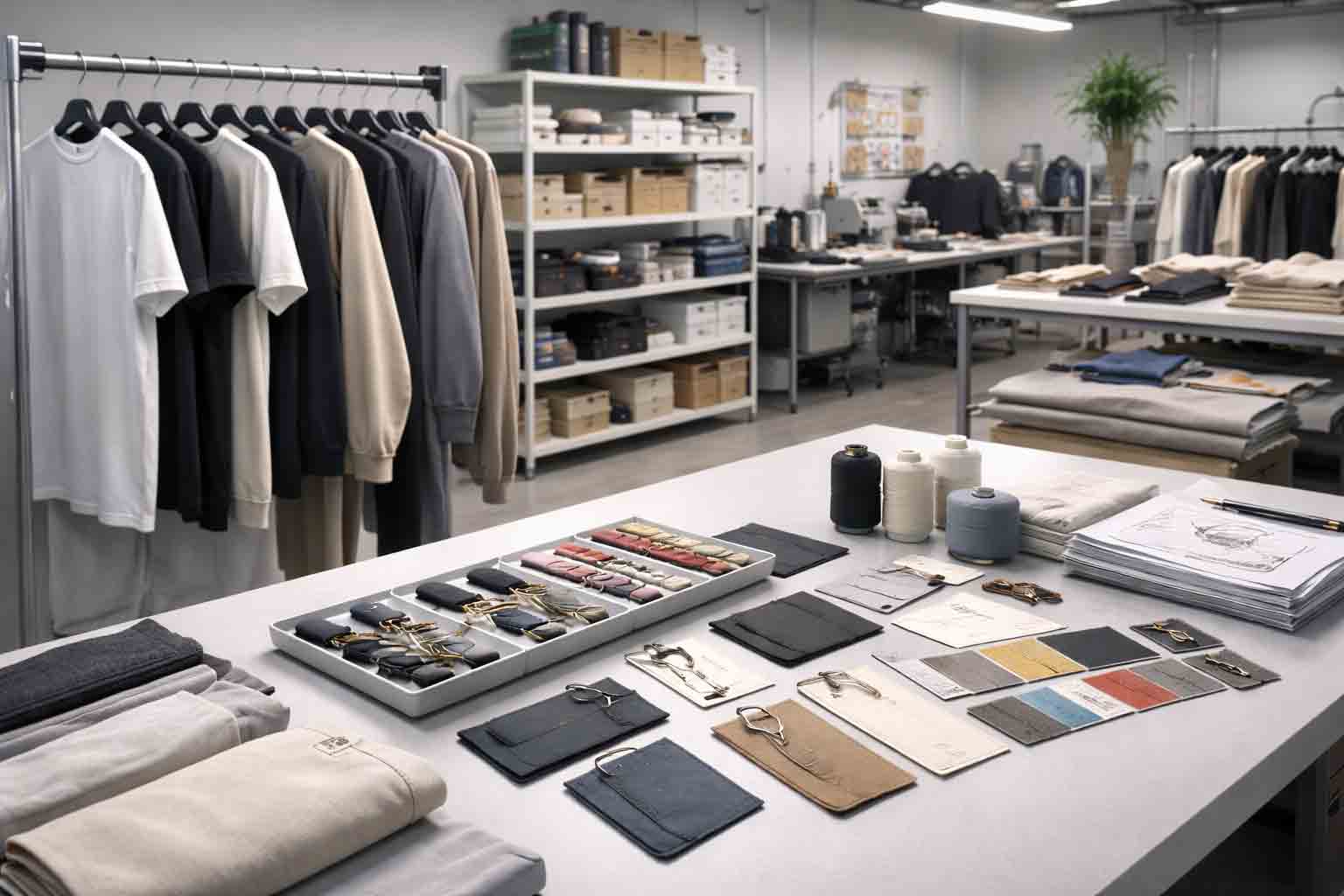
Private label clothing is when you sell apparel under your own brand name, while the product is made by a specialized manufacturer. You choose the fit, fabric, colors, trims, labels, and packaging—then the factory produces it to your spec. In plain terms, What Is Private Label Clothing is the fastest way to turn “brand ideas” into real products without owning a factory.
This model is popular because it’s scalable. You can start with a focused capsule (for example: one tee, one hoodie, one cap), prove demand, then expand. The key is getting the development process right—so quality is consistent and reorders don’t become a headache.
Private label vs white label vs custom cut & sew
These terms get mixed up a lot, so here’s the practical difference. White label usually means a pre-made blank product where you only add your logo or branding. Private label goes deeper: you control more product decisions, like labels, packaging, colors, and often fabric/fit options. Custom cut & sew is the most “from scratch,” where patterns and construction can be built specifically for your line.
A quick neutral reference for the concept is here: Private label (overview).
What you actually control in private label clothing
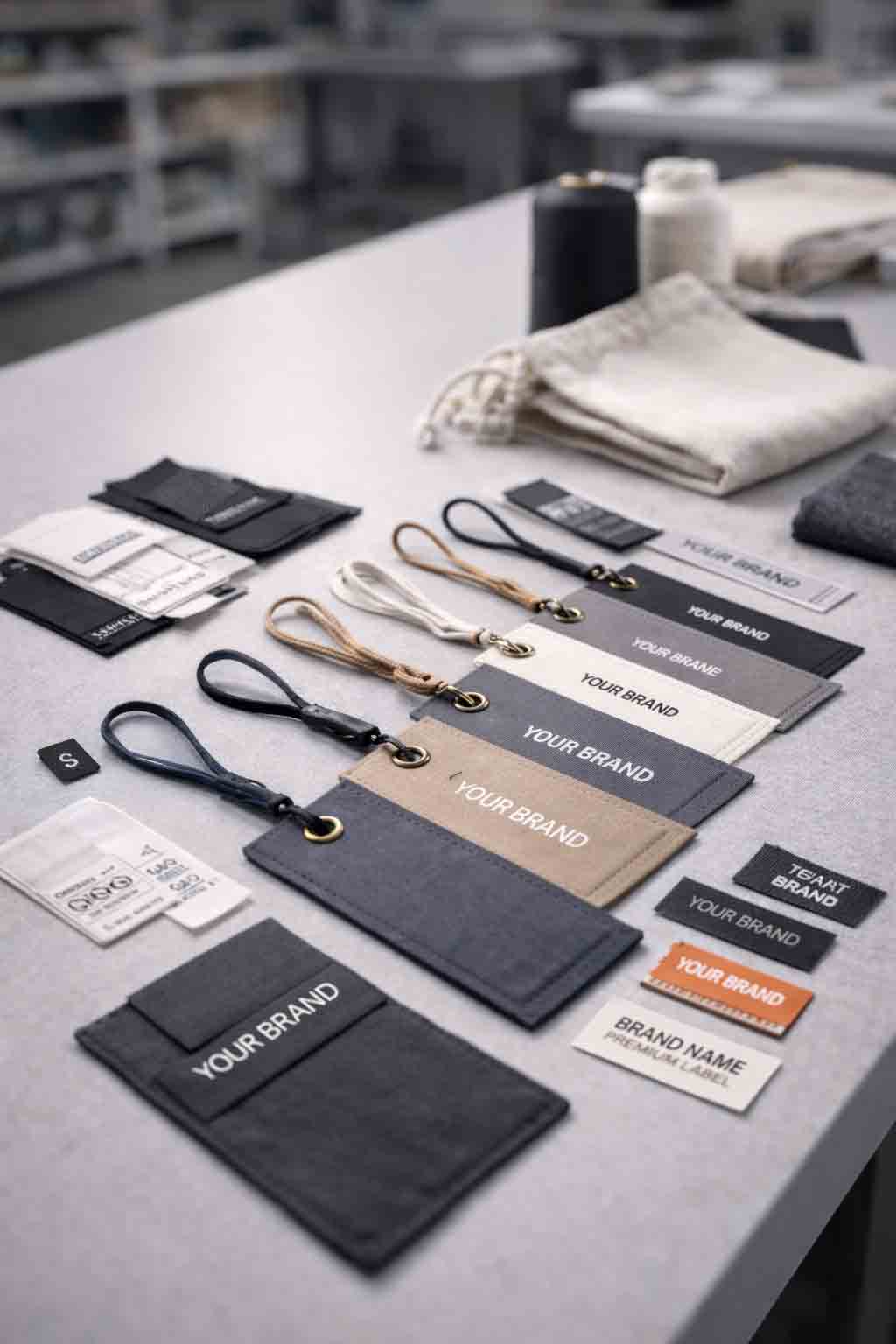
Private label isn’t just “putting your logo on a hoodie.” It’s a set of choices that shape how premium your brand feels and how well the product sells. The more you control, the more distinct your product becomes.
Typical private label decisions include:
- Base garment + fit: oversized, regular, boxy, cropped, etc.
- Fabric and GSM: lightweight vs heavyweight, brushed fleece, piqué, jersey.
- Color and dye: stock colors or custom-dyed tones.
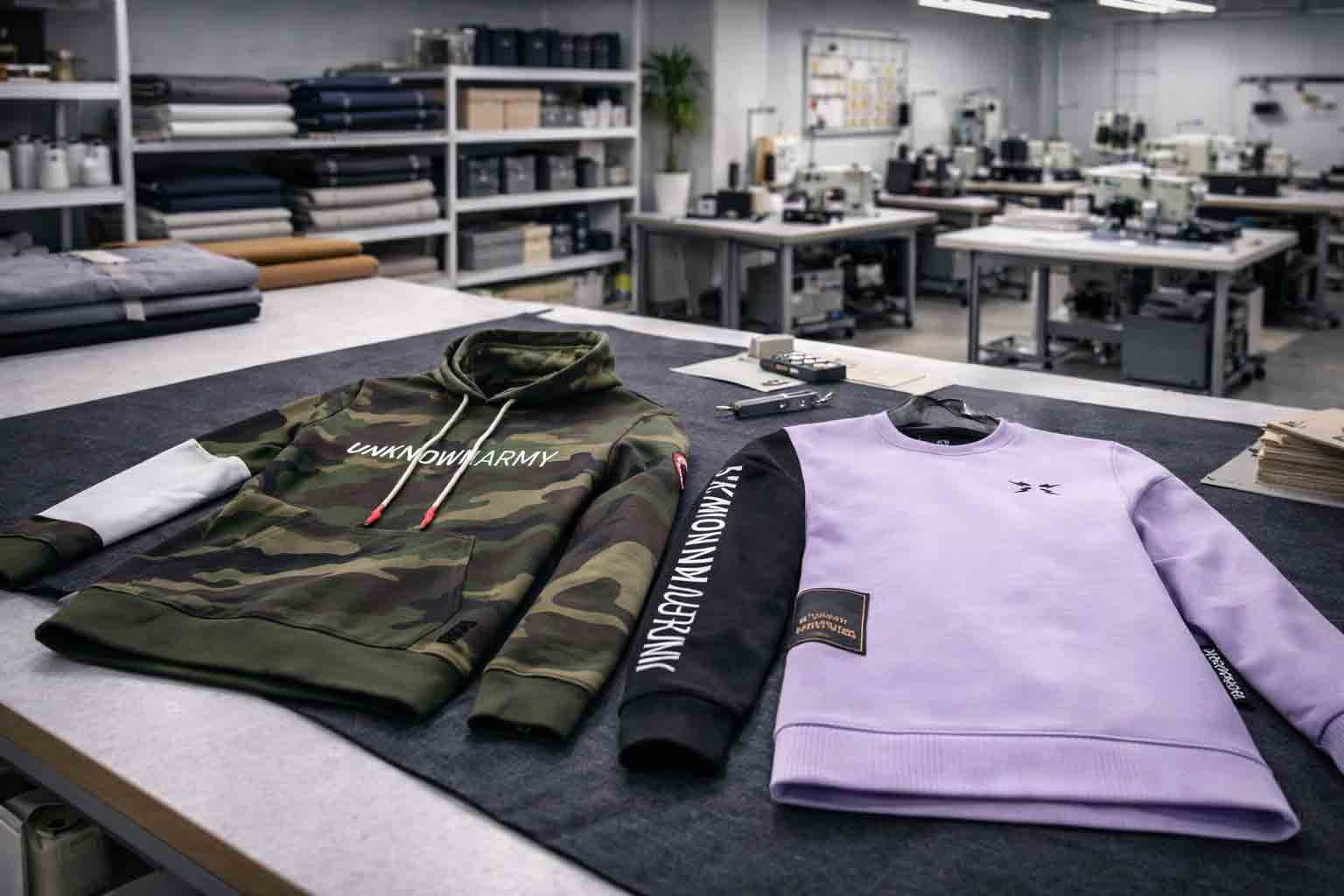
- Trims: zippers, drawcords, rib quality, stitching details.
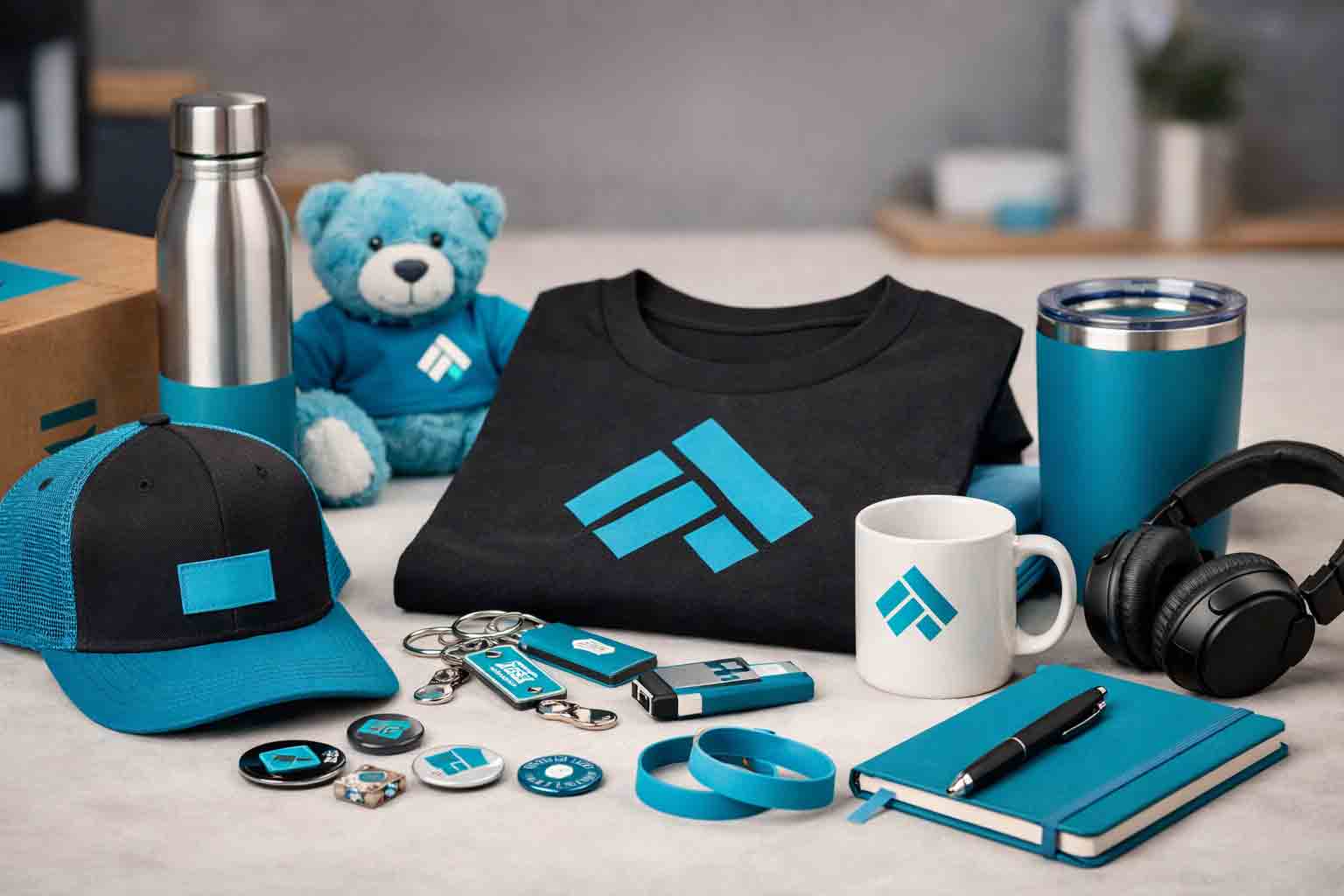
- Branding system: woven neck labels, care labels, hangtags, packaging.
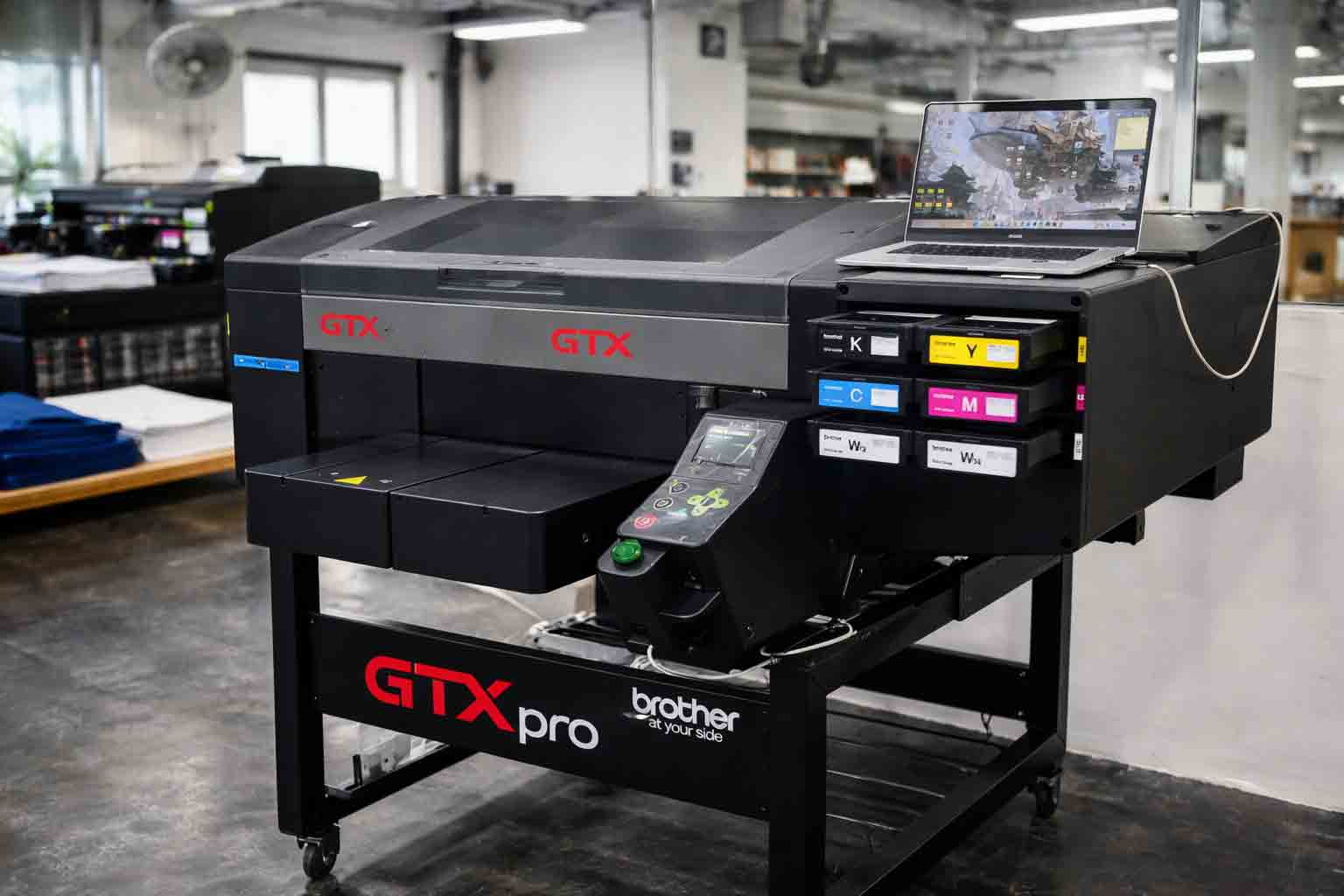
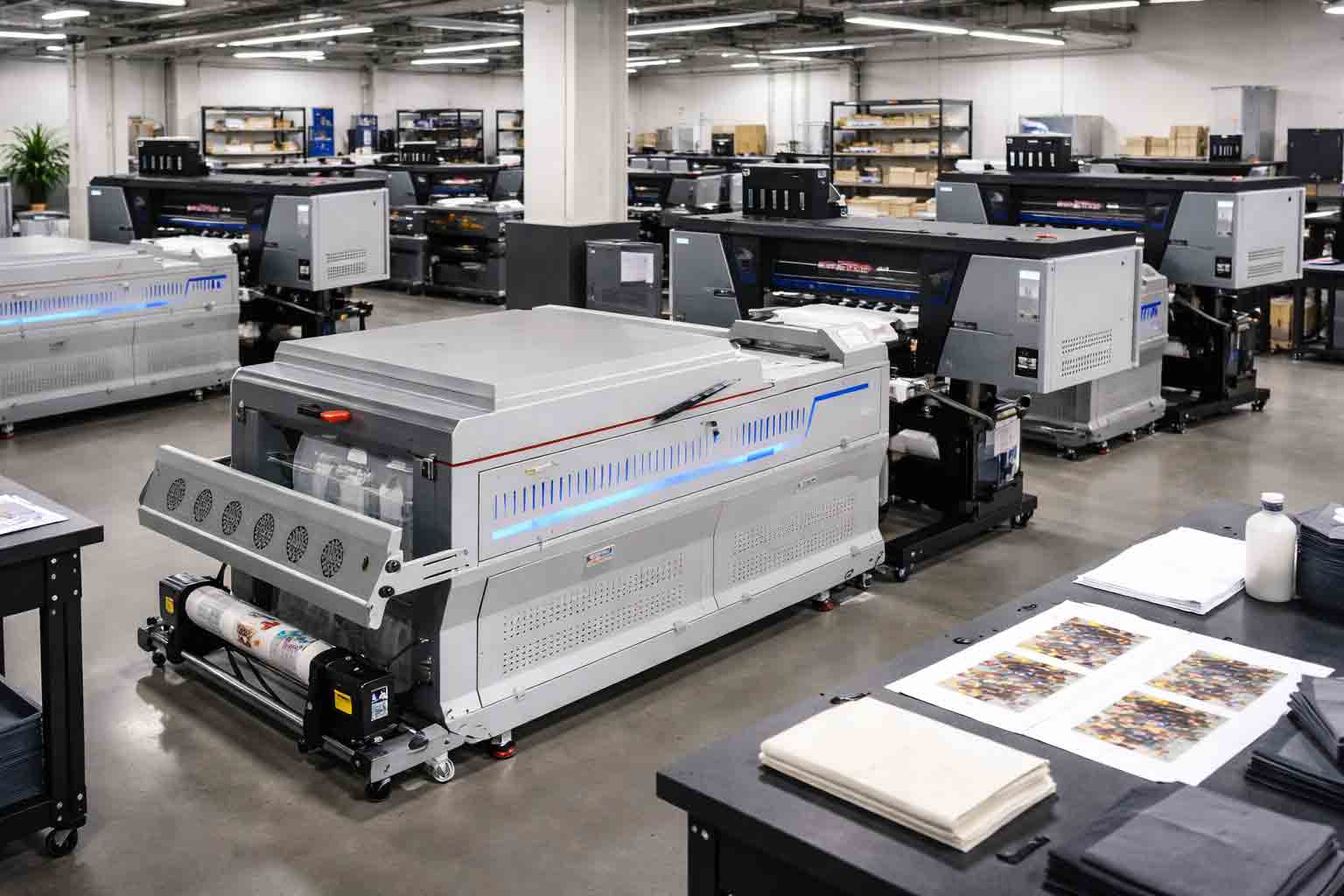
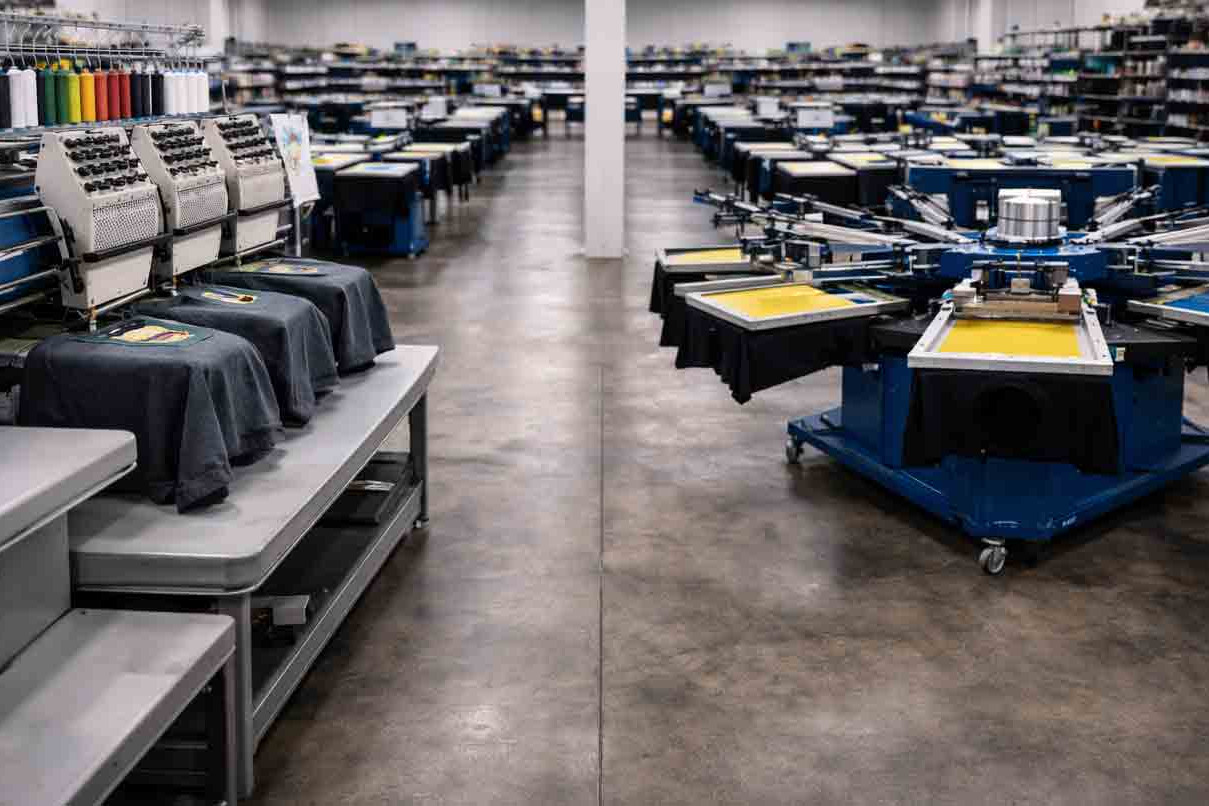
- Decoration method: embroidery, screen print, DTG/DTF, woven patches.
The private label process from idea to delivery
Most private label projects follow the same core steps. The difference between “smooth launch” and “painful delays” is how clearly each step is managed and documented.
A practical production flow looks like this:
- Product definition: what you’re making, for who, and at what price point.
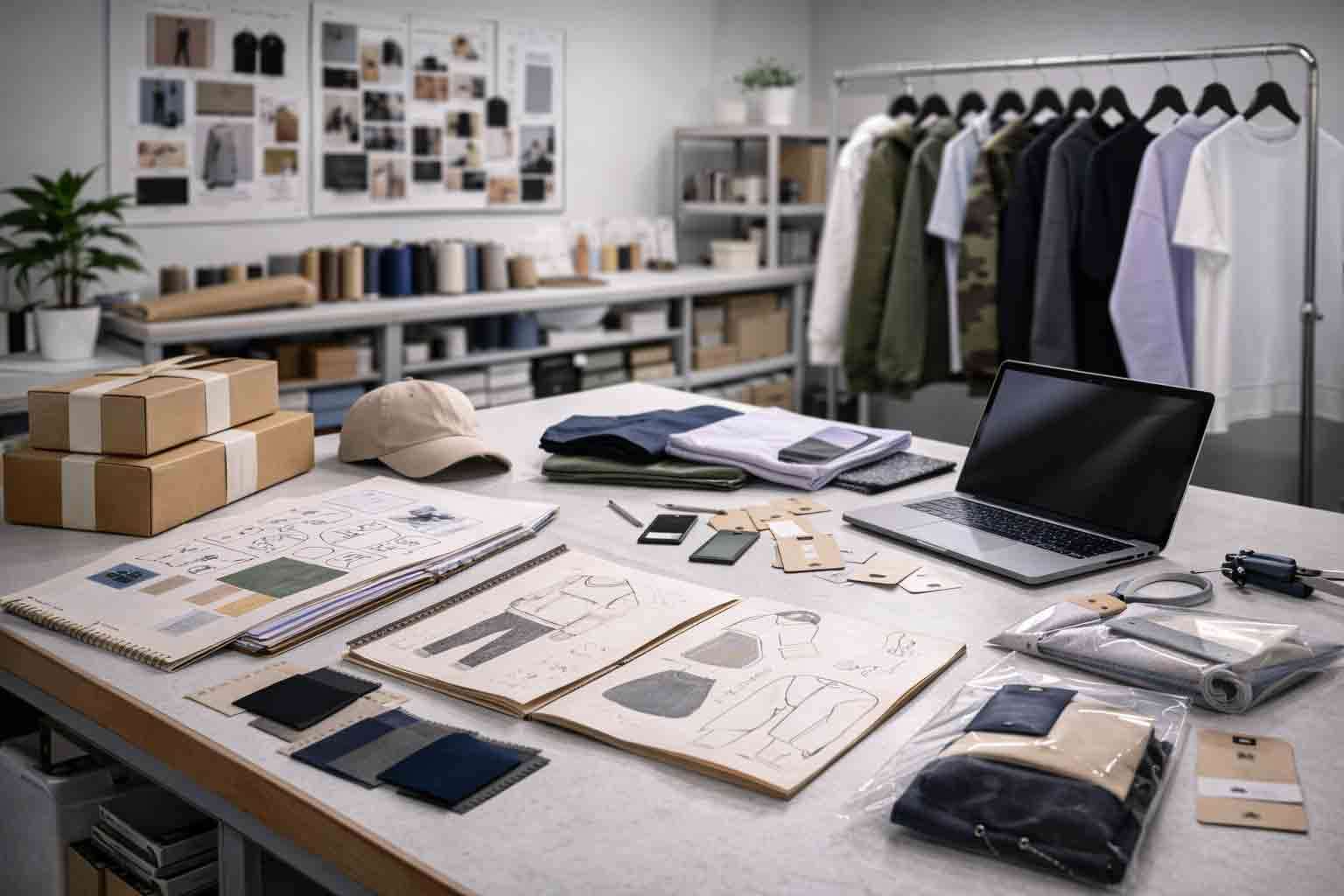
- Sampling: fit sample, material sample, then branded sample.
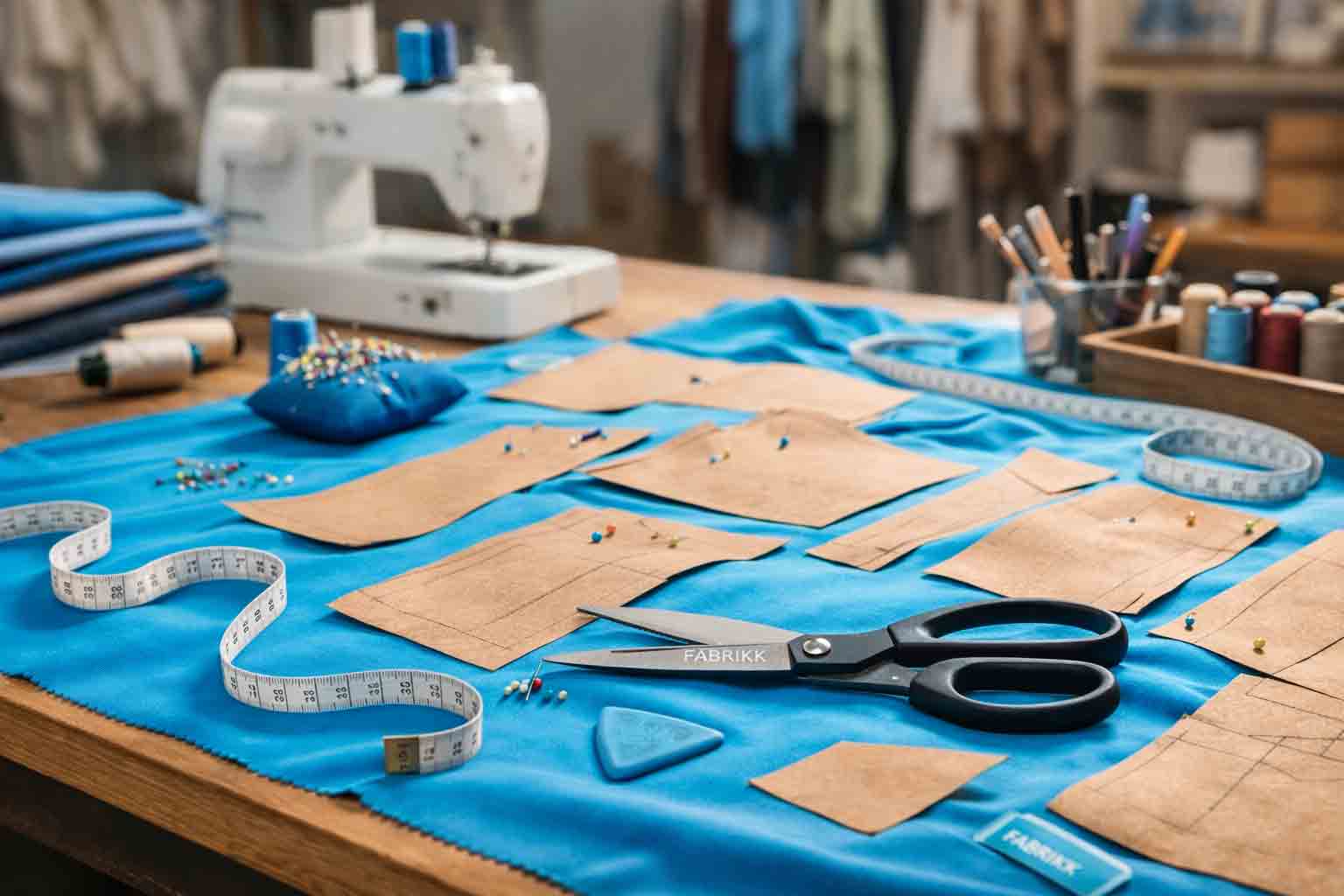
- Tech pack + specs: measurements, construction notes, placement guides.
- Pre-production approval: confirm labels, packaging, colors, and final fit.
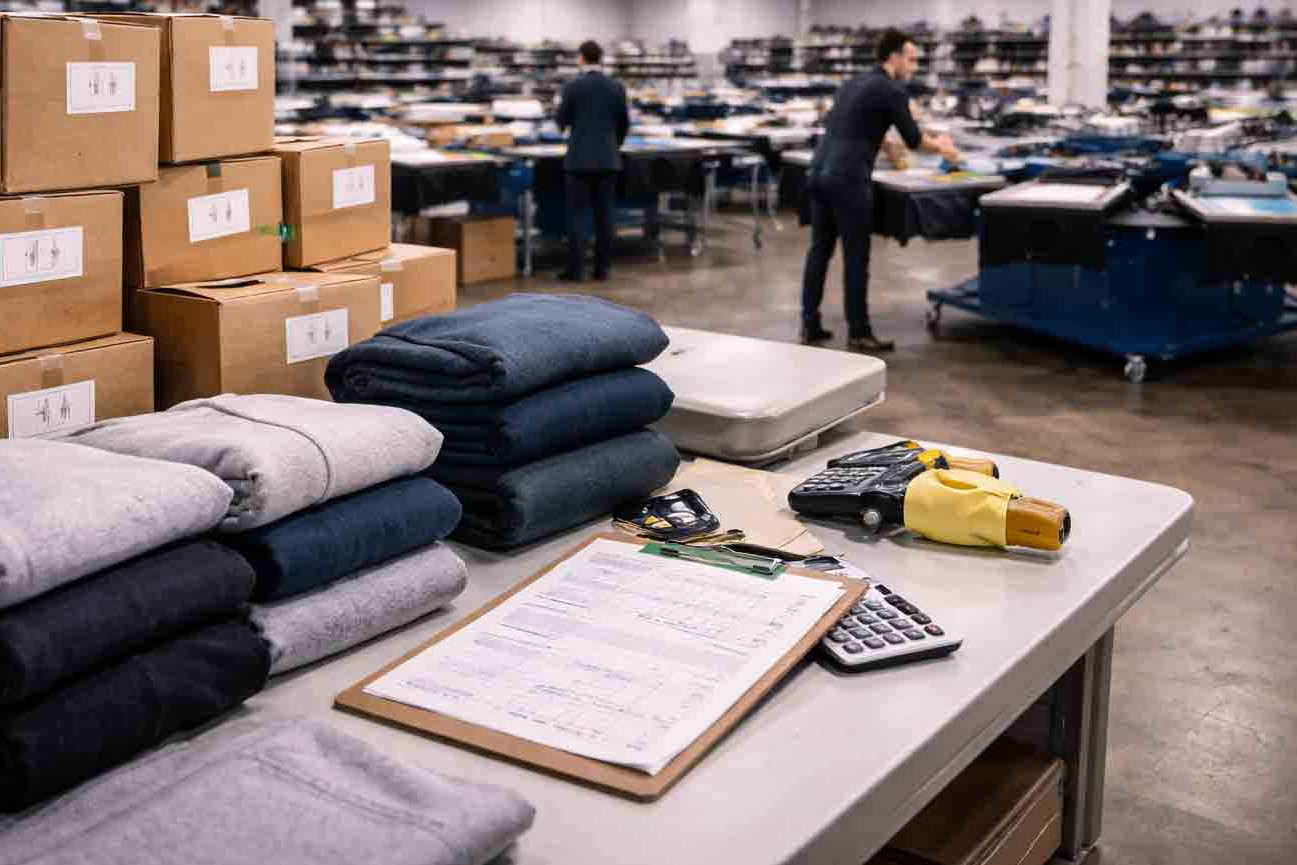
- Bulk production: factory makes the run, with QC checkpoints.
- Finishing + packing: hangtags, polybags, size stickers, carton packing.
- Shipping + receiving: freight choice and inbound quality check.
If you’re new, start simple. One great product with a clean branding system beats ten “okay” products every time.
Example cluster: private label clothing ideas that sell
Here’s an example cluster you can use to plan a brand-ready collection. These aren’t random ideas—each one has a clear reason it works commercially and operationally.
| Example product | Why it works | Easy upgrade that feels premium |
|---|---|---|
| Heavyweight blank tee (220–260 GSM) | Strong “premium feel” and repeatable staple | Woven neck label + custom hangtag |
| Midweight hoodie (320–380 GSM) | High perceived value and good margin potential | Better drawcords + clean embroidery |
| Piqué polo for teams/workwear | Broad audience and consistent repeat orders | Small chest logo embroidery + size stickers |
| Caps or beanies | Low size complexity and great add-on item | Woven label + branded packaging |
| Matching set (sweat + pant) | Higher AOV and “collection” feeling | Consistent color + tonal branding |
Pick 1–2 hero items and build around them. That’s how you launch fast without losing quality.
How Fabrikk makes private label clothing practical (and scalable)
Fabrikk supports brands with a production-first approach: we align the product goal, materials, and branding system early—then guide sampling and bulk so the result is consistent and reorder-friendly. This is where many new brands struggle: the first run looks okay, but the second run doesn’t match. We prevent that by documenting specs, confirming approvals, and building repeatable processes.
Typical things we help you lock in:
- Material + fit match: the fabric weight and pattern that fits your audience.
- Branding system: labels, hangtags, packaging that feels cohesive.
- Decoration choice: the method that looks premium and holds up in wear tests.
- QC checkpoints: measurement tolerances and finishing expectations.
- Production planning: timelines, reorders, and product consistency.
Costs, MOQs, and timelines: what to expect
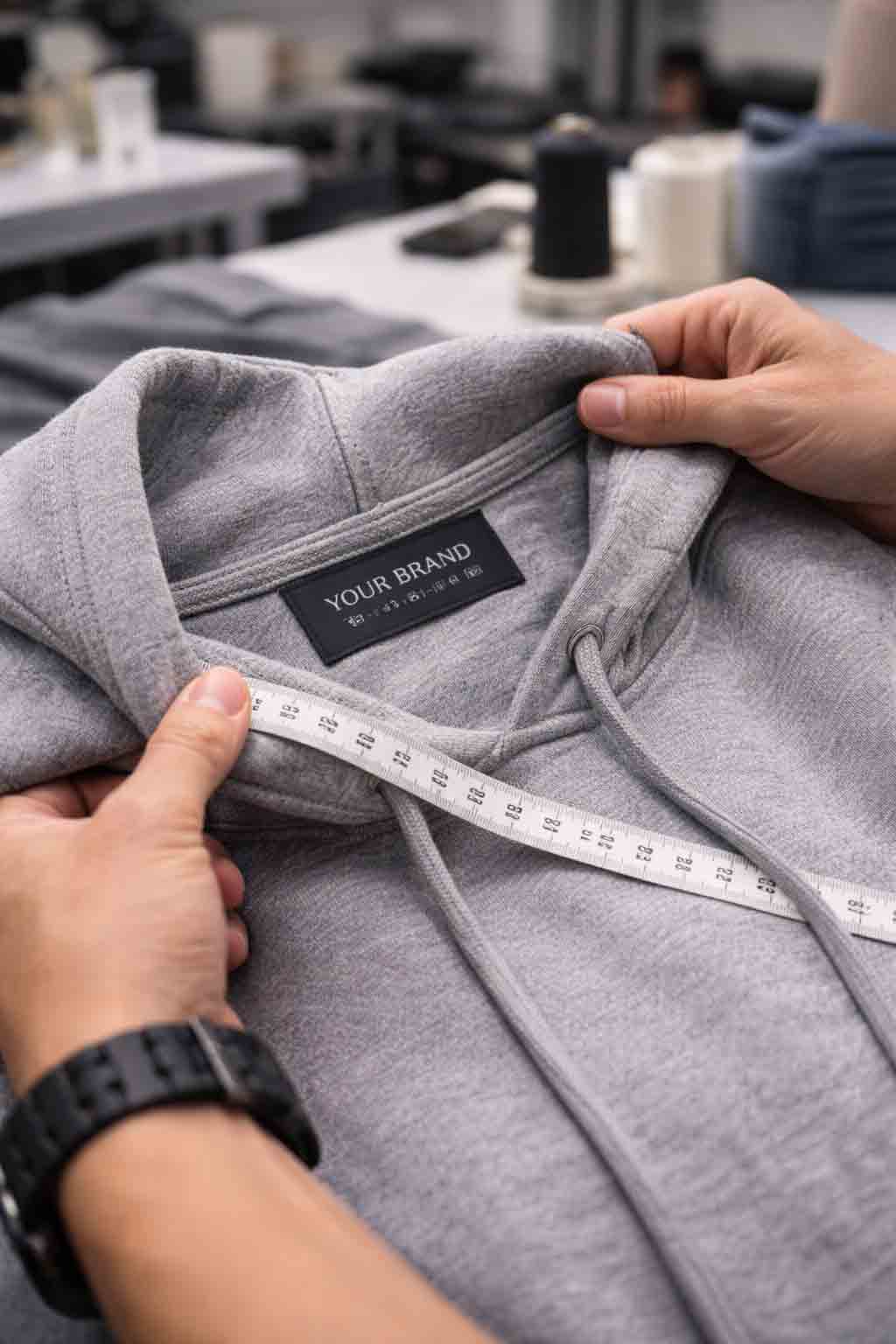
Private label budgets depend on complexity. A simple tee with woven labels and one decoration placement is usually easier (and faster) than a multi-panel jacket with custom trims. MOQs can vary by product category and factory setup. The practical move is to choose a first collection that matches your budget and your ability to sell through.
Timelines also depend on sampling rounds. If you approve quickly and keep changes controlled, you move faster. If you change fit, color, labels, and packaging all at once, timelines stretch. A clean plan keeps you agile—and keeps cash flow healthy.
Private label checklist: launch-ready in 12 steps
Use this checklist before you commit to bulk. It’s designed to prevent the classic “looks good on paper, fails in production” problem.
- Define your hero product and target customer clearly.
- Choose fit and fabric based on use case and price point.
- Confirm sizing and measurement tolerances.
- Decide your branding system (neck label, care label, hangtag, packaging).
- Pick decoration method that matches feel and durability goals.
- Request and approve material swatches (not just photos).
- Approve a fit sample before approving branded samples.
- Run a wash test and wear test on the final sample.
- Lock in color references and repeatable spec documentation.
- Confirm QC checkpoints and defect rules before bulk starts.
- Plan packaging and carton packing for shipping efficiency.
- Do an inbound QC check when goods arrive (before fulfillment).
Once these 12 steps are locked, scaling becomes much easier—and your brand stays consistent.
FAQ: private label clothing questions
It means you sell apparel under your own brand name while a manufacturer produces it to your specifications.
No. White label is usually pre-made blanks with branding added. Private label gives you more control over labels, packaging, and often fit/fabric choices.
It helps a lot. Clear measurements and construction notes reduce mistakes and speed up approvals.
T-shirts, hoodies, polos, caps, and beanies are common because sizing and trims are manageable.
You choose the label type (woven/printed), placement, and packaging so the product feels like your brand end-to-end.
Not always, but MOQs vary. Keeping the first collection simple often helps you start with lower risk.
It depends on sampling rounds and complexity. Faster approvals usually mean faster production timelines.
Focus on fit, fabric, clean branding (labels/hangtags), consistent decoration, and a reliable QC process.
Yes. Many brands start by selecting proven fits and improving them with fabric, trims, and branding.
Inconsistent quality across runs. Specs, approvals, and QC are what prevent surprises on reorder.
Approve a fit sample, define tolerances, and check measurements during production and inbound QC.
Yes. Fabrikk supports sampling, specs, branding systems, and production planning to help brands launch and scale consistently.
Final takeaway
Now you’ve got a practical definition of private label clothing and how it works in real production. If you want to build a brand that customers trust, the winners aren’t the loudest—they’re the most consistent. That’s what makes private label profitable long-term.