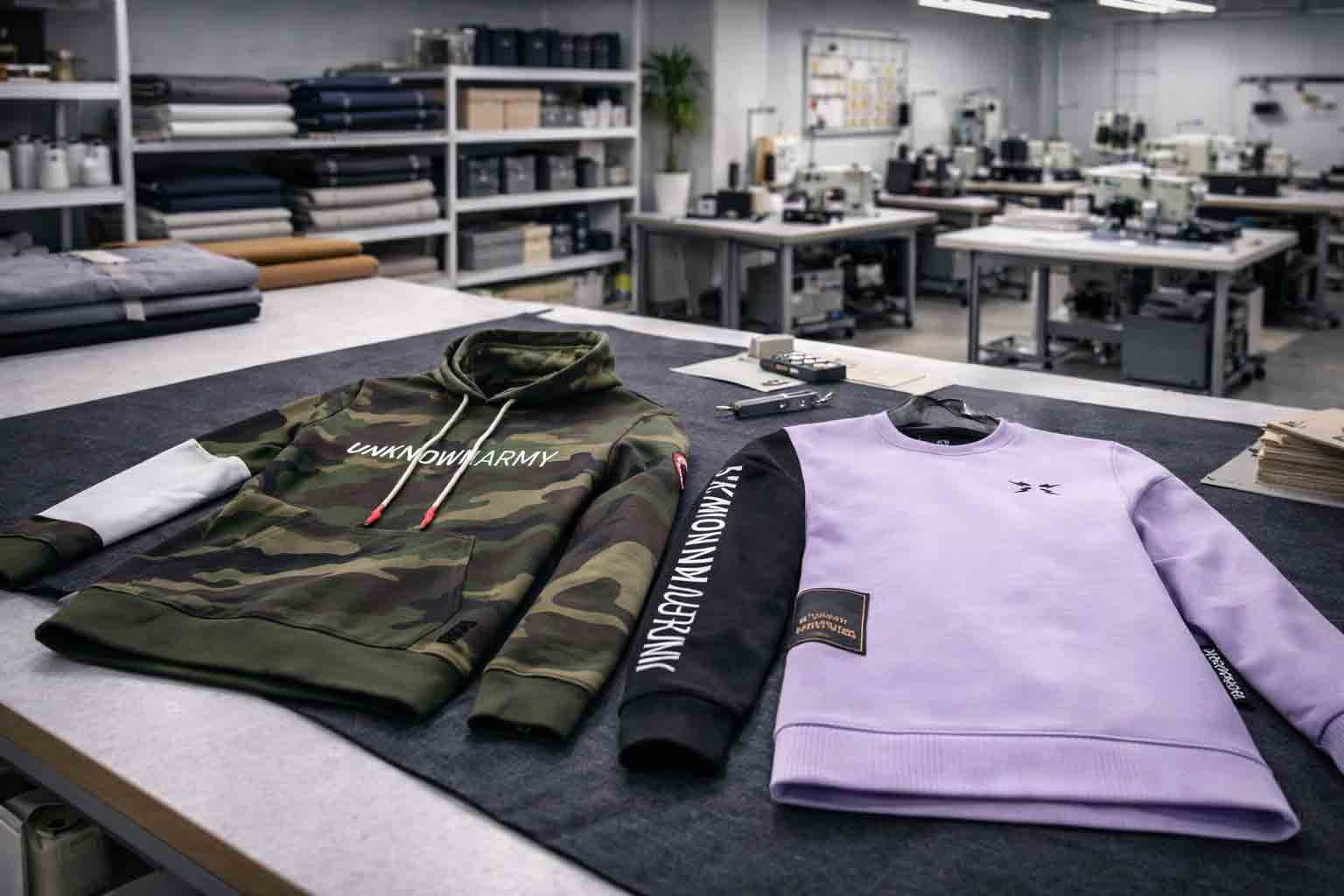
What Is Cut and Sew Manufacturing
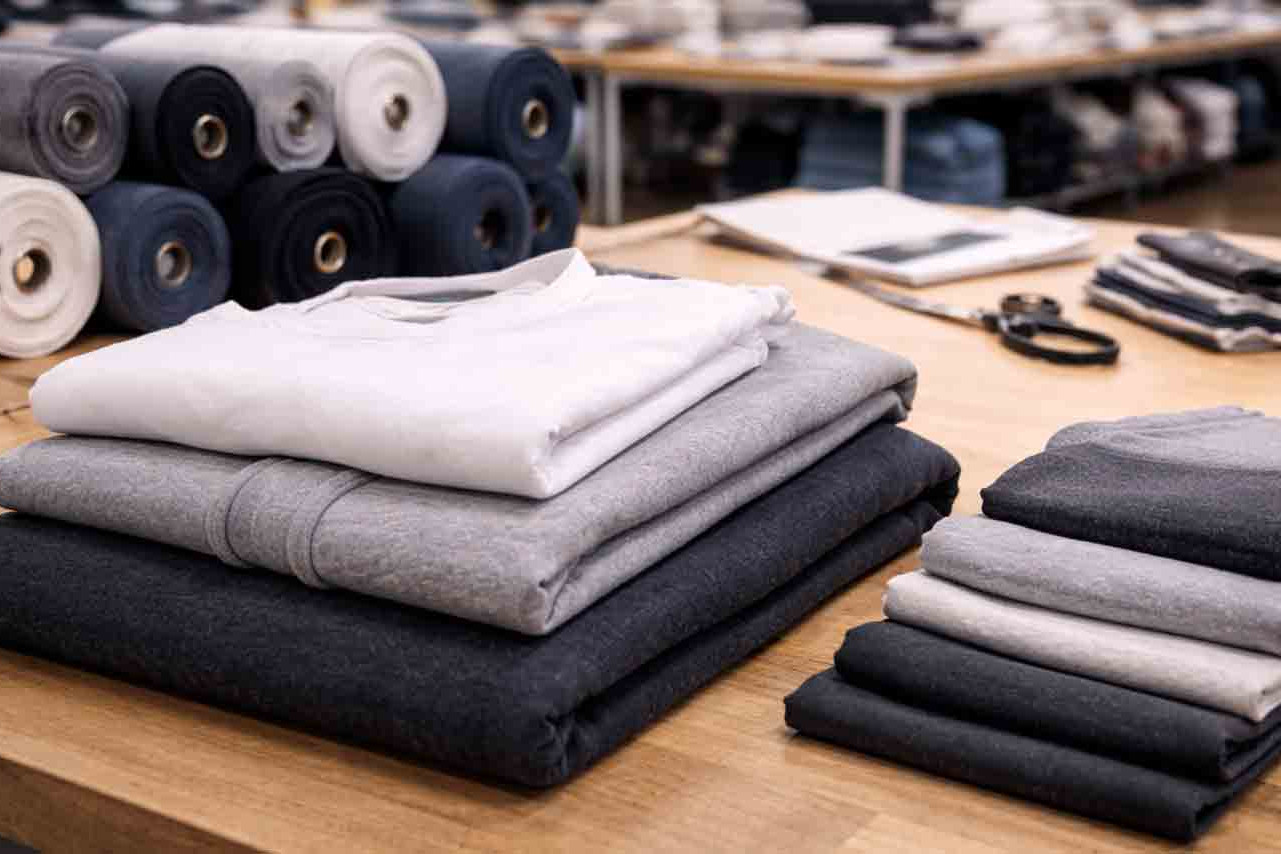
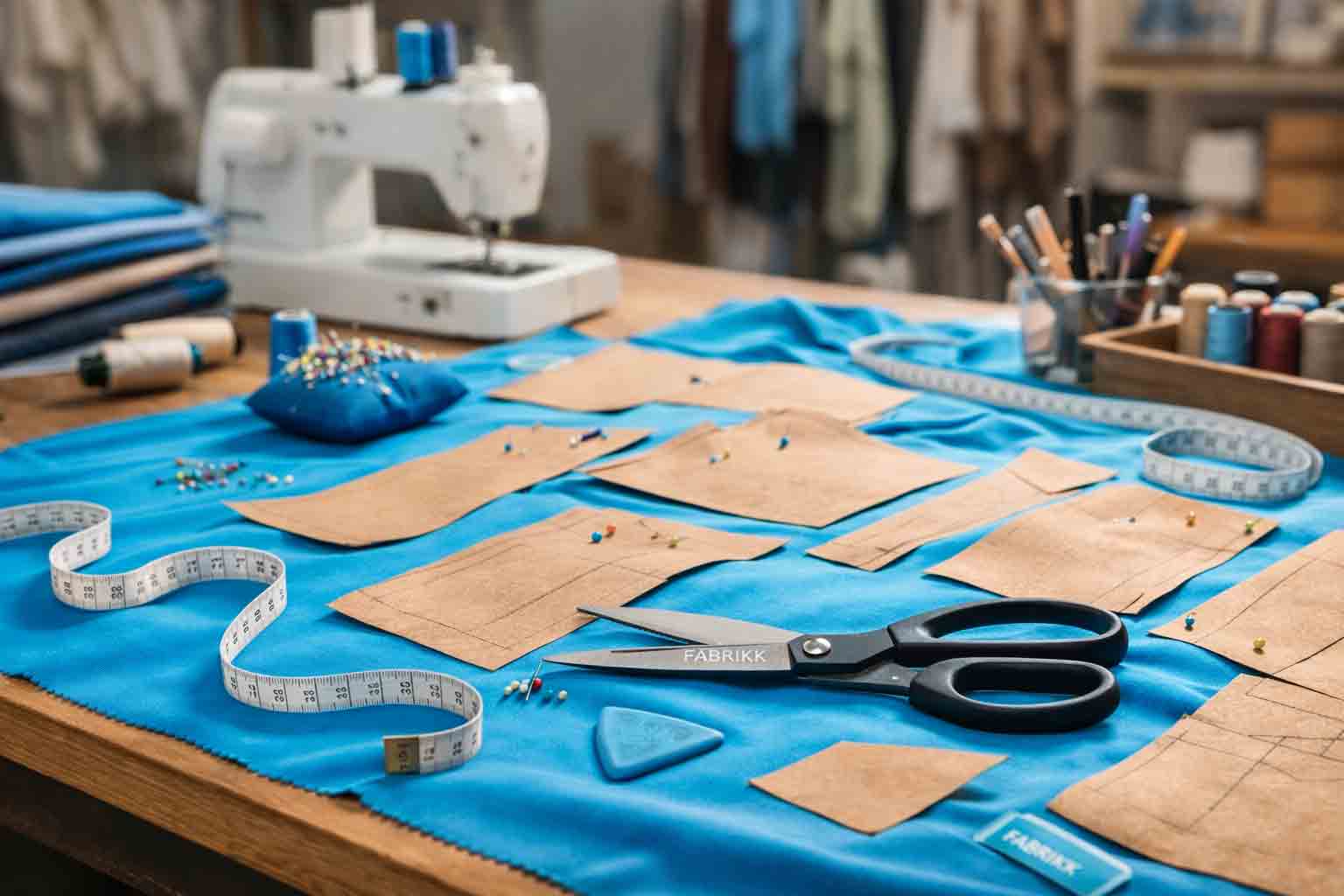
Cut and sew manufacturing is the process of turning fabric rolls into finished garments by cutting pattern pieces and stitching them together. It’s how you create products with a specific fit, custom construction details, and a real “brand signature”—not just decoration on a blank.
If you’re deciding between printing on blanks vs building your own product, What Is Cut and Sew Manufacturing matters because it gives you more control over the end result: fabric choice, pattern, fit, stitching, trims, and finishing.
Cut-and-sew vs blanks: the fastest way to understand the difference
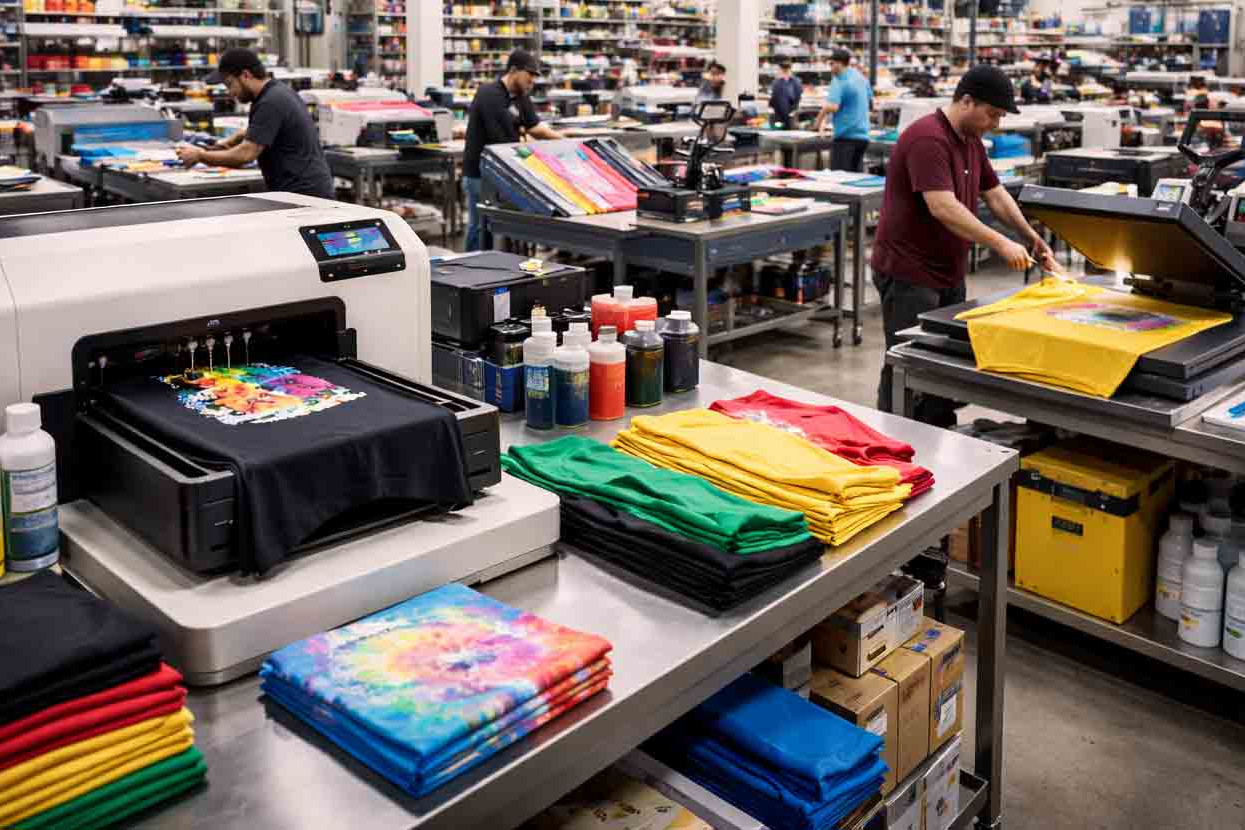
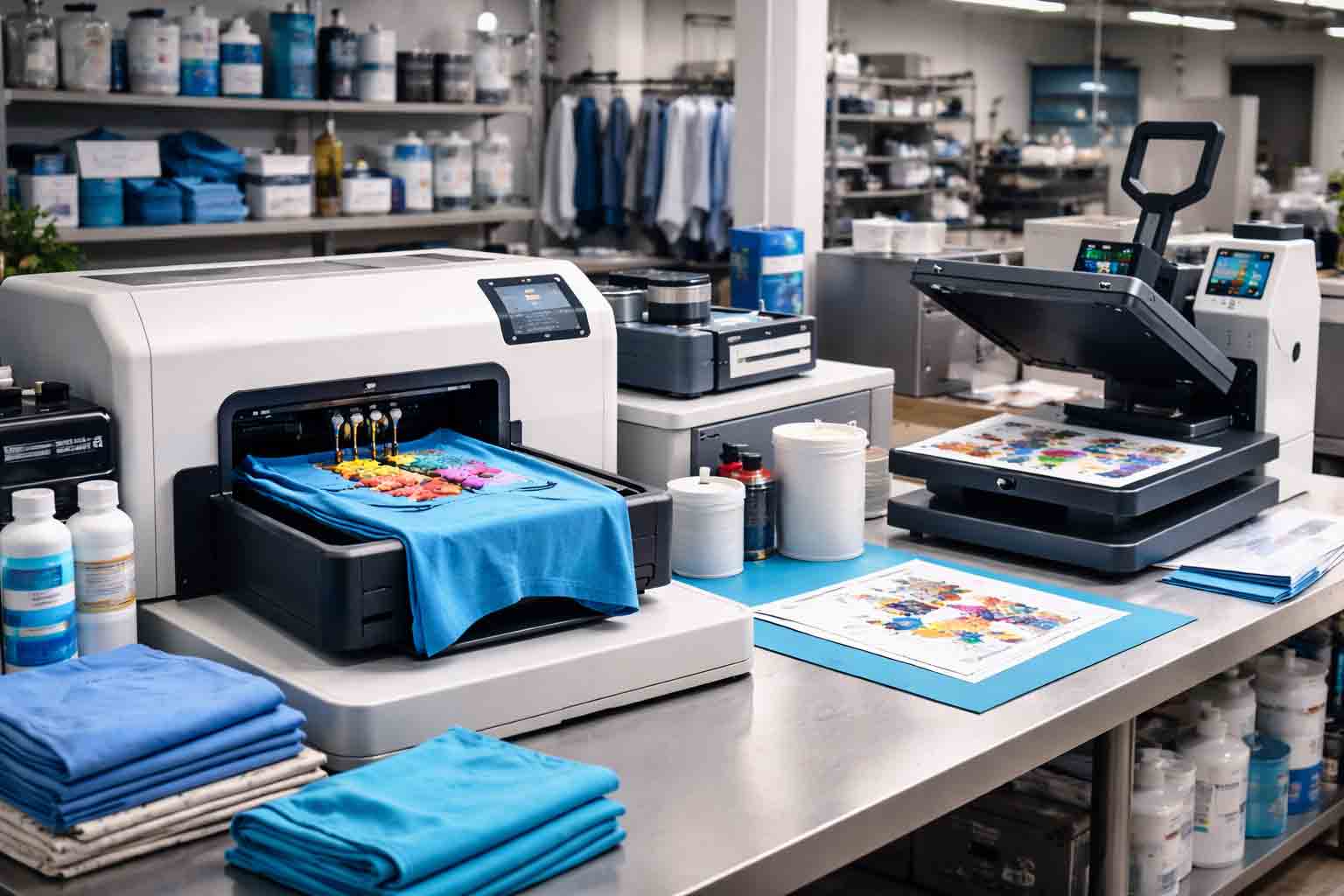
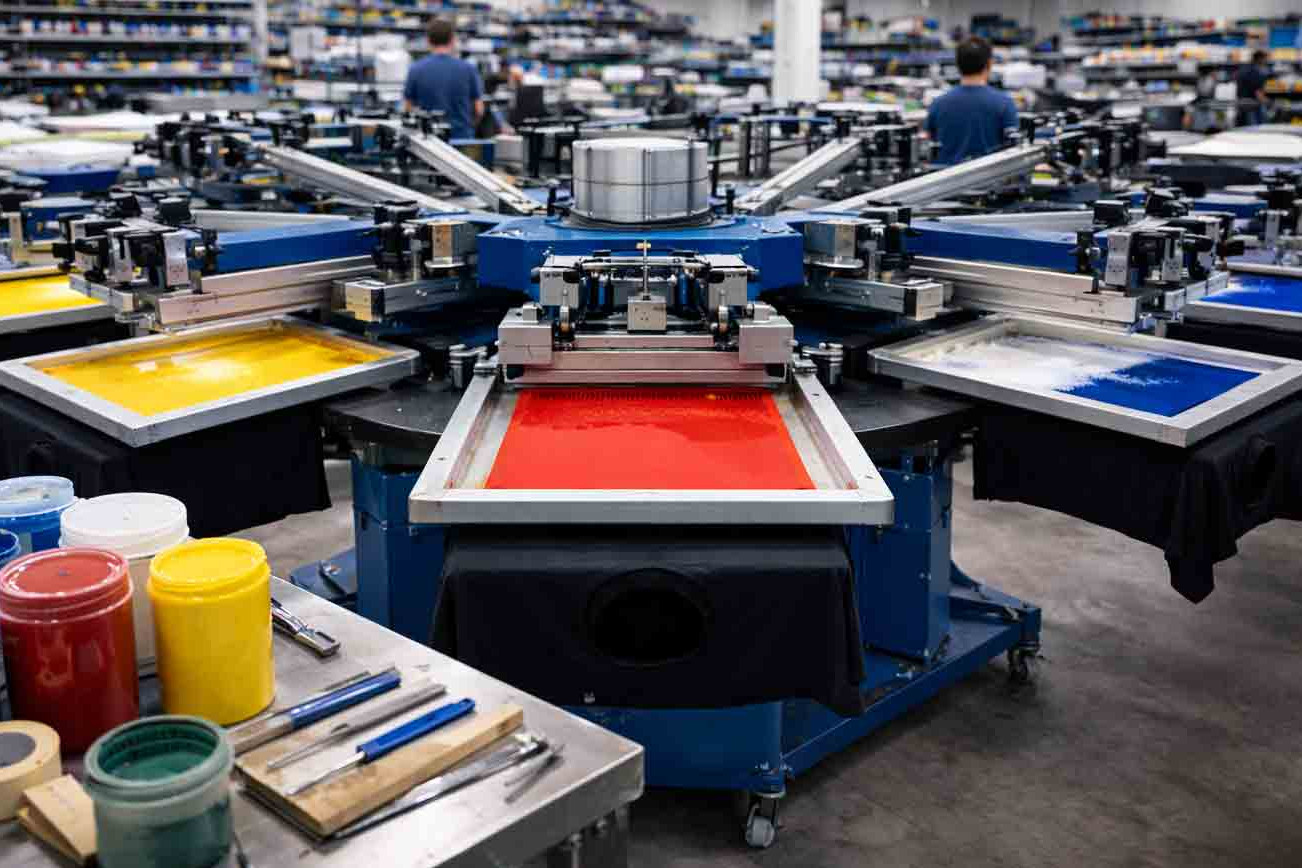
Blanks are pre-made garments you decorate (print, embroidery, patches). Cut-and-sew starts earlier: you choose fabric, build a pattern (or modify an existing one), and produce the garment from parts. That’s why cut-and-sew is used for unique silhouettes, premium streetwear fits, tailored workwear, or any product where “how it fits” is the selling point.
A neutral overview of garment construction concepts can be found here: Garment construction (overview).
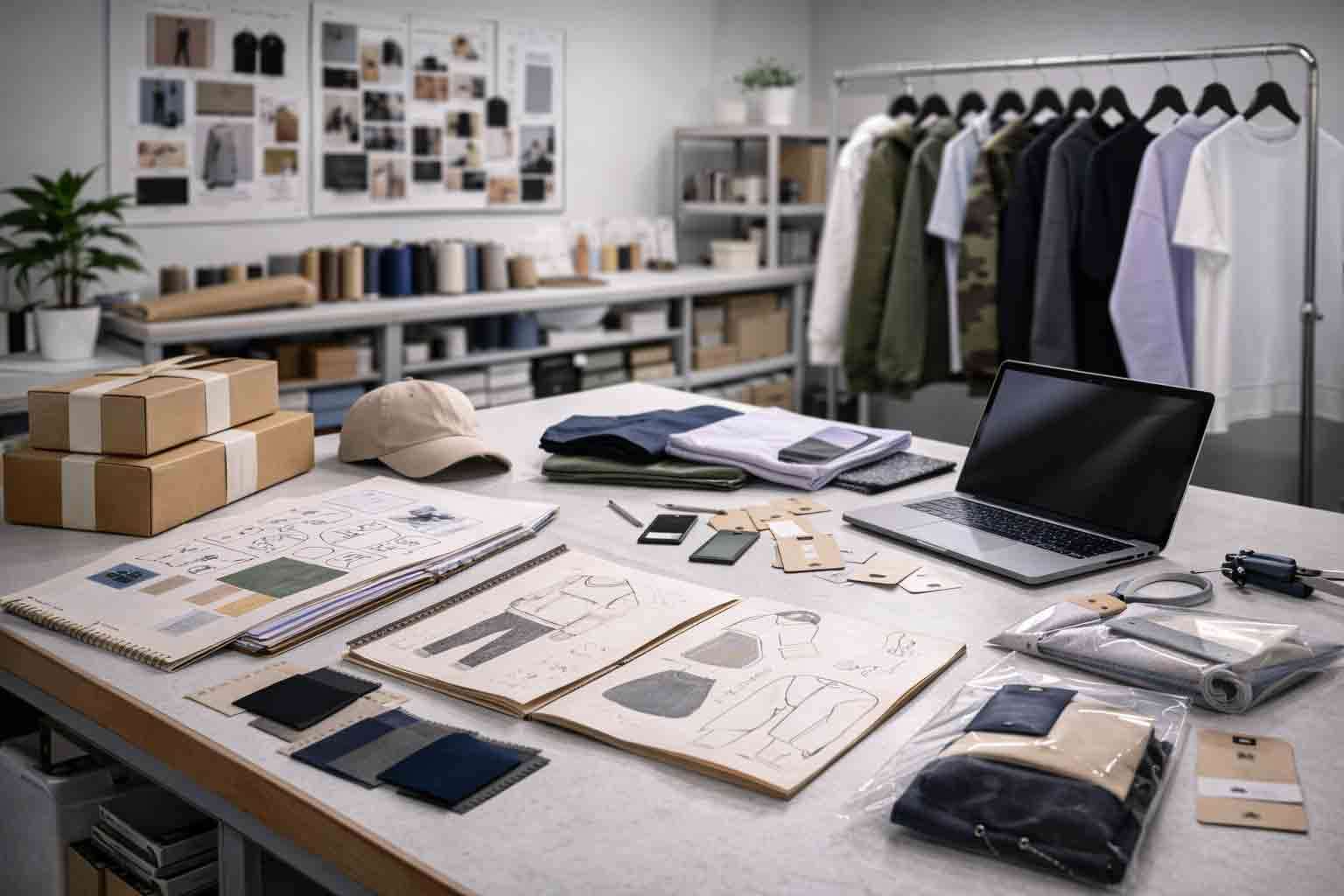
The cut-and-sew workflow: from fabric roll to finished garment
Cut-and-sew is a production chain. When each step is controlled, you get consistent sizing, clean construction, and repeatable quality.
Typical steps include:
- Fabric selection: choose composition, GSM, stretch, and finishing.
- Pattern + grading: create sizes (S–XL etc.) with proper measurement rules.
- Marker planning: layout pieces to reduce fabric waste.
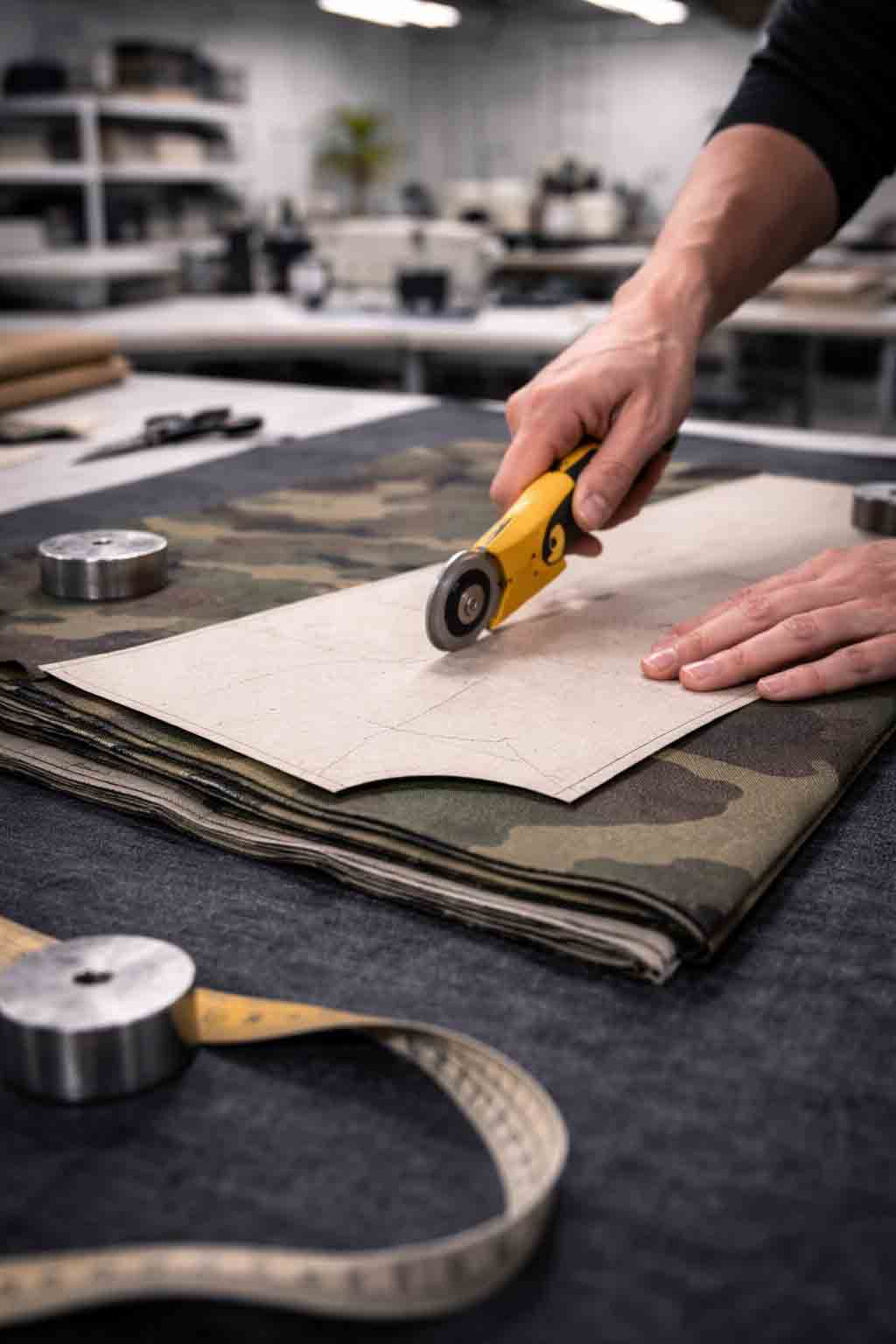
- Cutting: cut fabric layers into garment parts with accuracy.
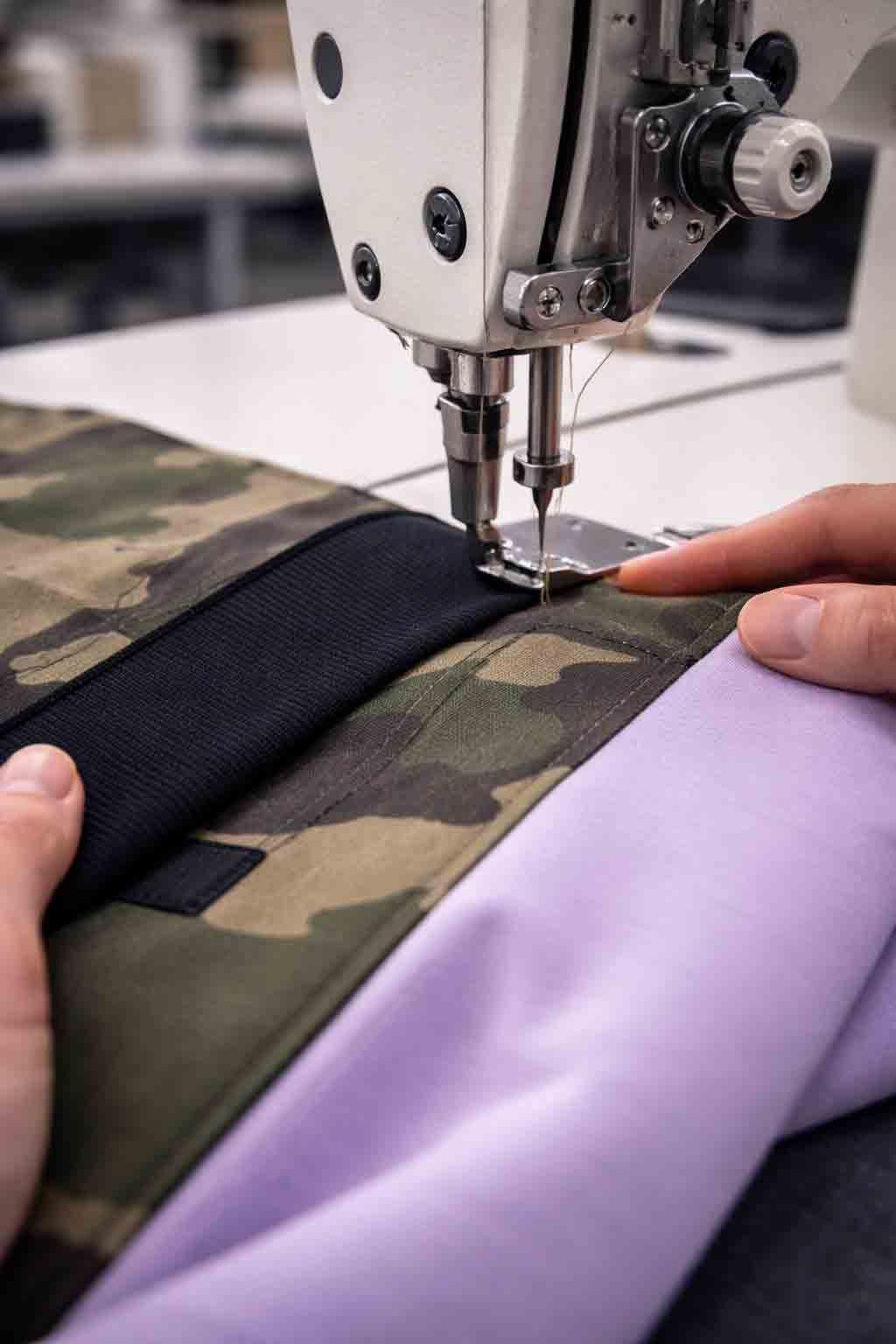
- Sewing assembly: build panels, attach rib, set sleeves, close seams.
- Finishing: trimming threads, pressing, label insertion, QC checks.
- Packing: folding, bagging, size stickers, carton packing.
The “secret” is documentation: once settings and specs are locked, reorders become predictable.
What you can customize (and what actually impacts quality)
Cut-and-sew gives you lots of options, but not all options matter equally. The biggest quality drivers are fabric, pattern accuracy, seam construction, and finishing consistency. Great labels can’t rescue a bad fit—and premium packaging can’t hide weak stitching.
Smart customizations that customers feel immediately include: better ribbing, reinforced seams, clean neckline construction, improved pocket placement, and fabric finishing that stays soft after washing.
Example cluster: cut-and-sew products that make sense commercially
Here’s a practical example cluster. These are common scenarios where cut-and-sew creates real value (and not just extra complexity).
| Example | Why cut-and-sew helps | Premium detail to add |
|---|---|---|
| Signature oversized tee | Unique drape + fit that blanks can’t match | Reinforced neck tape + better rib |
| Heavy hoodie with custom pocket | Silhouette + structure become the product | Double-needle seams + clean pocket topstitch |
| Workwear overshirt | Panels, pockets, and durability details matter | Bar tacks + stronger cuff construction |
| Performance polo | Fabric + pattern control improves comfort | Clean placket + stable collar rib |
| Joggers with improved rise | Fit differences are obvious when worn | Better waistband elastic + seam reinforcement |
If the product’s value is “fit and build,” cut-and-sew is usually the right lane.
How Fabrikk supports cut-and-sew: fewer surprises, better reorders
Fabrikk approaches cut-and-sew like a system: define the product goal, lock fabric and fit, document specs, and run controlled sampling. That’s how you prevent the classic problems—random sizing shifts, inconsistent stitching, and “run 2 looks different from run 1.”
What we typically help you lock in:
- Fabric + finishing: the hand-feel customers expect after washing.
- Pattern + grading rules: consistent sizing across the range.
- Construction standards: seam types, stitch density, reinforcement points.
- QC checkpoints: measurement tolerances and defect rules.
- Brand details: labels, packaging, and decoration chosen to fit the product.
Costs, MOQs, and timelines: what to expect realistically
Cut-and-sew typically costs more than decorating blanks because you’re paying for more steps: pattern work, cutting, sewing labor, and finishing. MOQs vary by factory and fabric availability, but complexity usually increases minimums. Timelines depend on sampling rounds—clear approvals move faster than constant changes.
The best way to keep it efficient is to start with a focused capsule, use proven construction methods, and avoid “too many new variables” in the first run.
12-step cut-and-sew checklist (production-ready)
Use this checklist to avoid expensive mistakes and to make reorders smooth.
- Define the product goal (who it’s for, where it’s worn, target price).
- Choose fabric composition and GSM with wash performance in mind.
- Lock fit direction (oversized, regular, boxy) and create a measurement spec.
- Confirm pattern and grading across sizes.
- Select seam types and reinforcement points (stress areas).
- Decide trims (rib, drawcords, zippers) that match the quality level.
- Create a clean tech pack with placements and construction notes.
- Approve a fit sample before changing branding and packaging.
- Wash test the final sample and check shrinkage + twisting.
- Set QC tolerances and defect rules before bulk starts.
- Do in-line checks during bulk (not only at the end).
- Perform inbound QC before fulfilling customer orders.
If you can tick these off, you’re not “hoping” for a good result—you’re engineering it.
FAQ: cut-and-sew manufacturing questions
It means garments are made from fabric rolls by cutting pattern pieces and sewing them together into finished products.
Not always. Cut-and-sew is best when fit and construction are key. Blanks can be better for speed and low complexity.
Yes. Patterns define the garment shape and are graded into sizes. Even modified “base patterns” still count as pattern work.
Control over fit, fabric, construction, and details—so the product can be truly unique and repeatable.
Fabric choice, pattern accuracy, seam construction, stitch consistency, and finishing/QC.
Changes in fabric lot, pattern updates, stitch settings, or weak documentation/QC can cause variation.
No. It’s used across categories. The key is matching complexity to budget and demand.
It depends on sampling rounds and factory schedule. Faster approvals and a focused scope usually reduce timelines.
Changing too many variables at once, skipping wash tests, unclear tech packs, and weak QC checkpoints.
Yes. Start with 1–2 hero products and refine fit/fabric first. Then expand once quality is repeatable.
Often yes, especially with custom fabrics or complex trims. MOQs vary by factory and material availability.
Fabrikk supports product planning, fabric selection, sampling, specs, QC processes, and scaling reorders consistently.
Final takeaway
Now you’ve got the practical meaning of What Is Cut and Sew Manufacturing: it’s the process that creates a garment’s fit and build from the ground up. If your brand needs unique silhouettes and repeatable quality, cut-and-sew is a strong path—especially when specs, sampling, and QC are handled professionally.