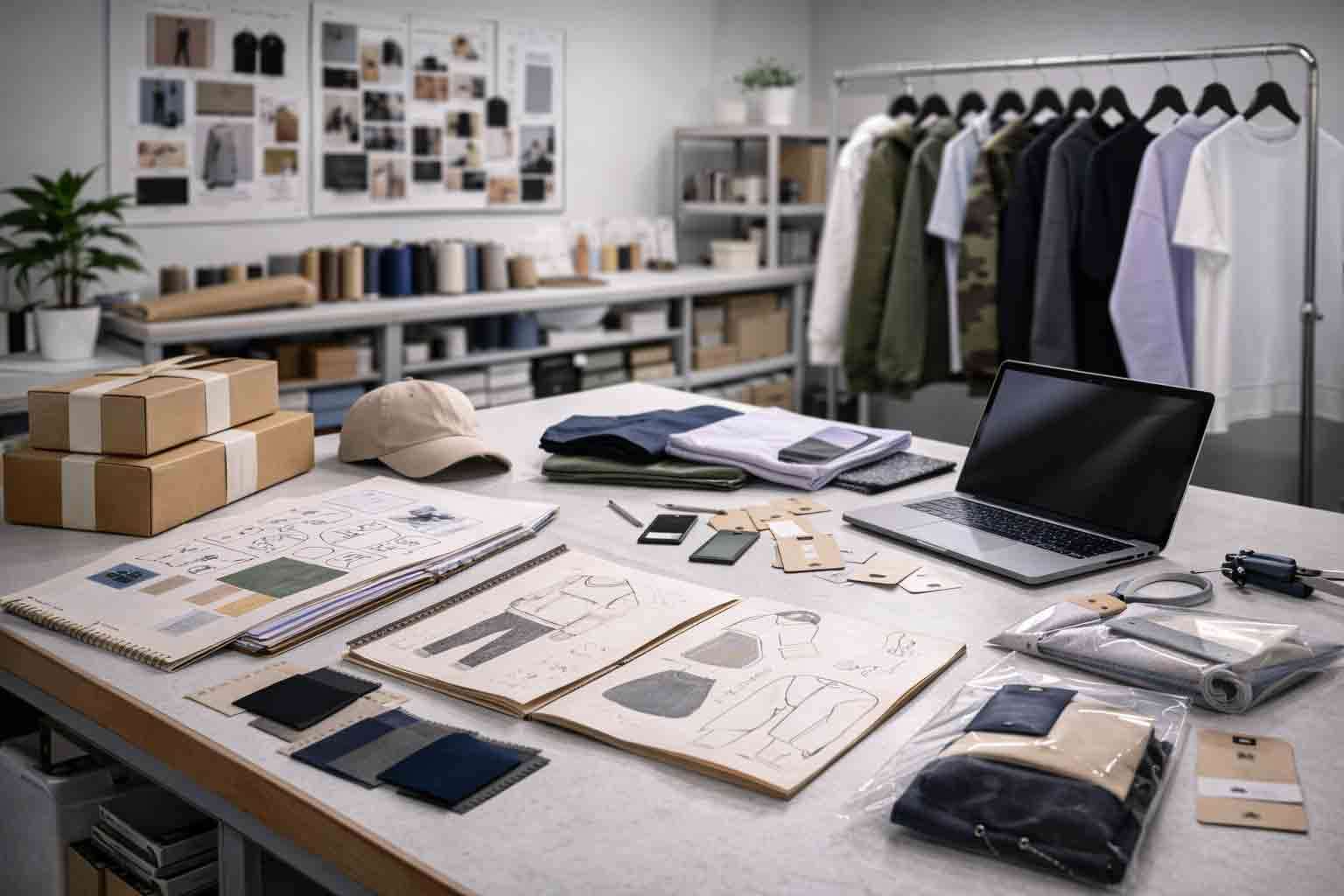
How to Start a Clothing Brand from Scratch
If you want to build a clothing brand that lasts, you don’t start with “cool designs.” You start with a clear customer, a product people will reorder, and a production plan that doesn’t fall apart the moment you scale. This guide is Fabrikk-style: practical, commercial, and hands-on.
We’ll focus on what actually moves you forward: picking the right niche, building a tight first collection, sampling properly, budgeting for reality, and launching in a way that creates momentum instead of stress.
Step 1: Choose a niche you can actually win
A niche isn’t “streetwear.” That’s a universe. A niche is a specific group with a specific problem and a specific style language. Think: heavyweight blanks for gym creators, clean polos for trades teams, premium hoodies for cold-climate commuters, or minimal uniforms for cafés.
A fast test: can you describe your customer in one sentence, and can you explain why your product is the right choice for their daily life? If not, tighten the niche before you spend money on sampling.
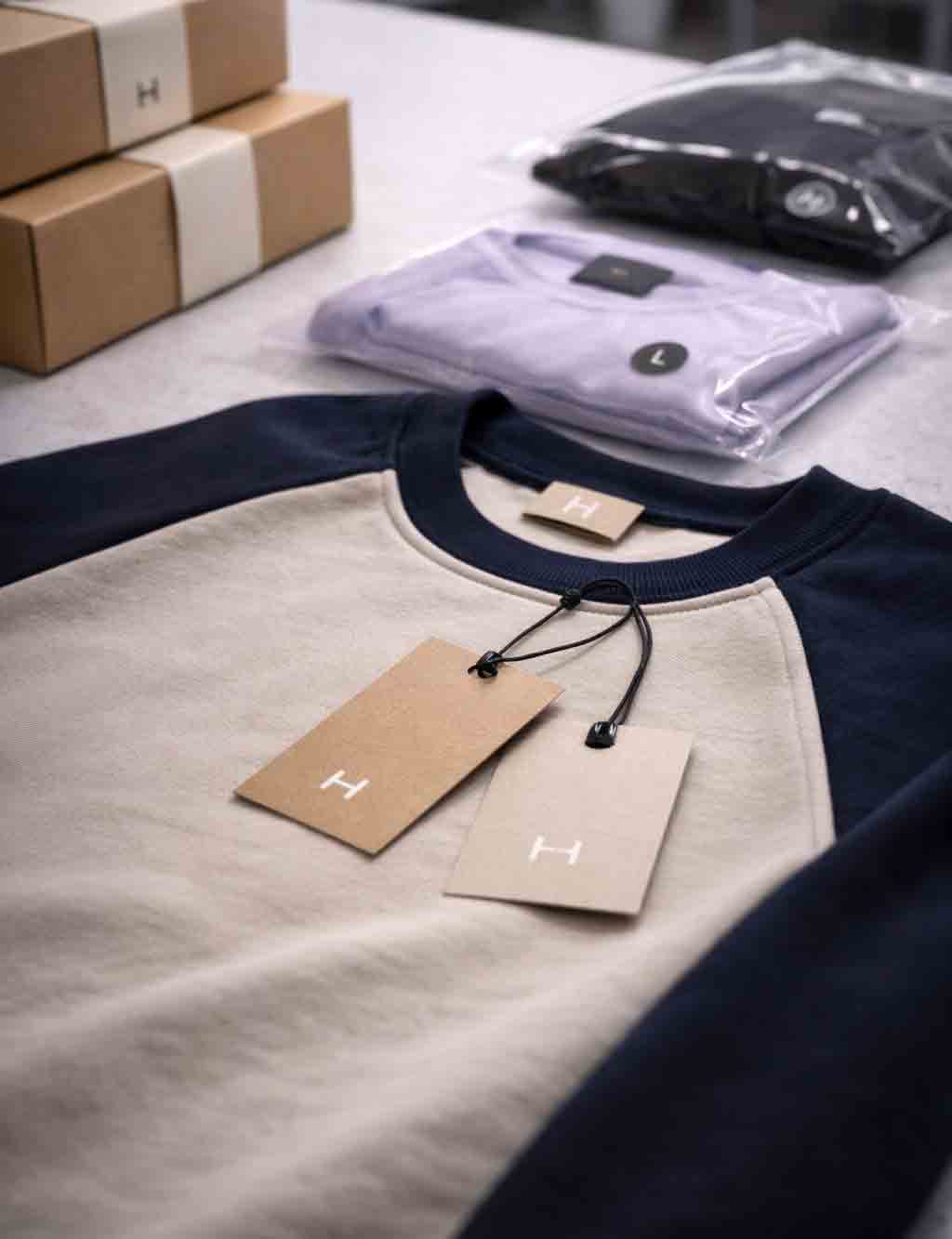
Step 2: Build a first collection that’s easy to produce and easy to sell
Your first drop should be small and focused. The goal is not variety—it’s proof. You want a product that sells, wears well, and can be reordered without quality surprises.
A strong first capsule often looks like:
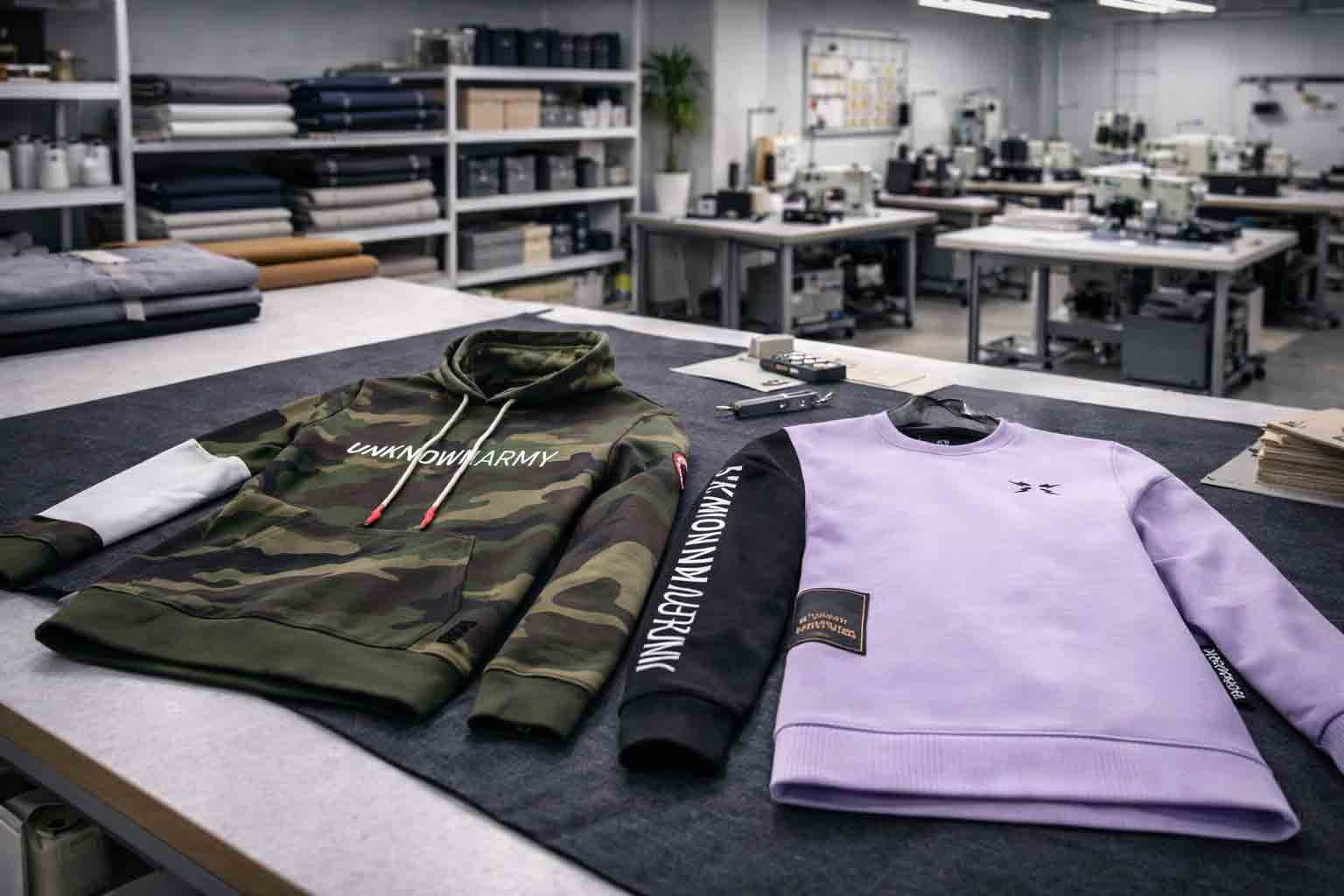
- 1 hero item: tee or hoodie in the “right” GSM and fit.
- 1 supporting item: cap, beanie, or a second colorway.
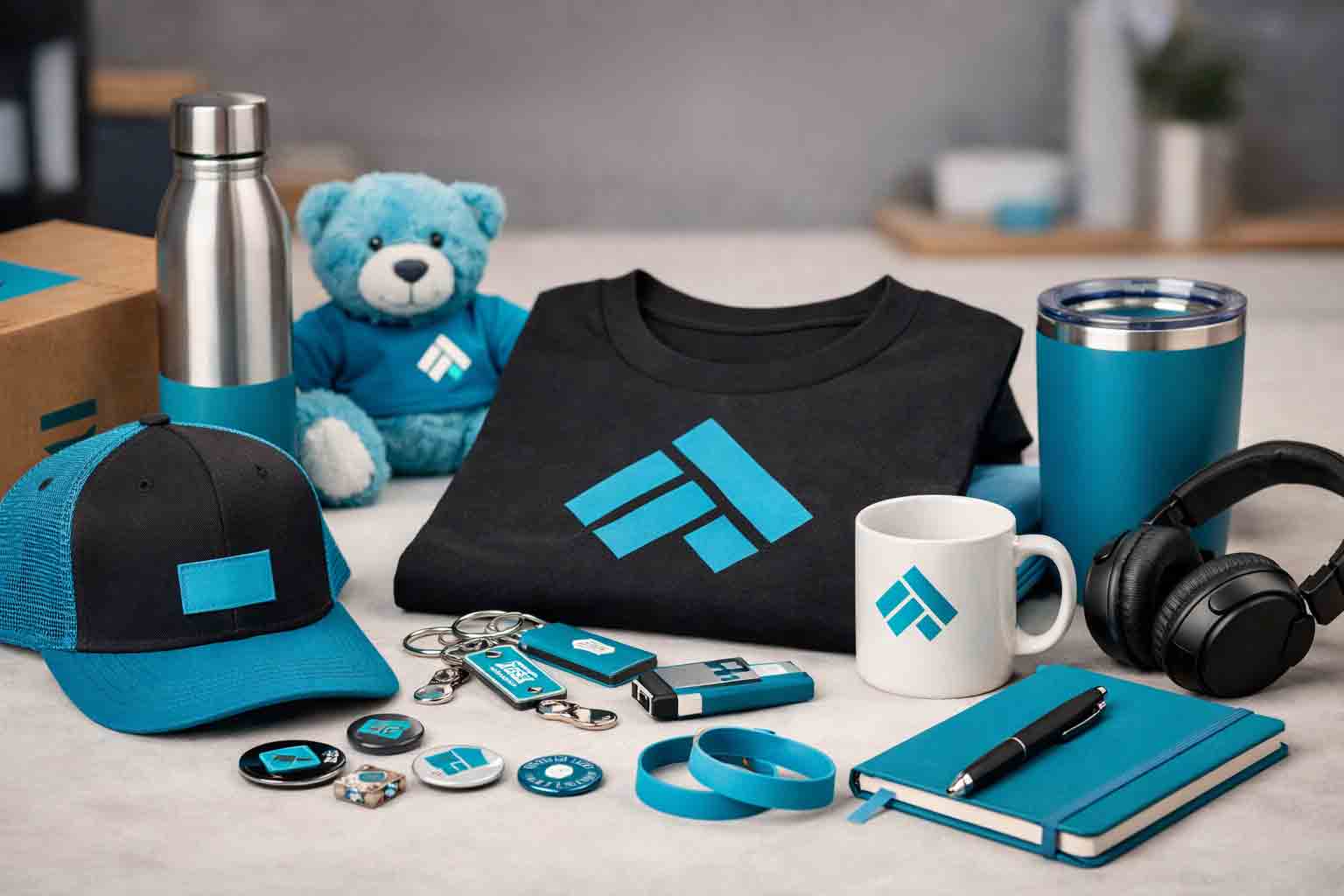
- 1 add-on: small accessory that increases AOV.
Keep sizes, fabrics, and decoration simple at the start. Complexity is the fastest way to burn cash before you have demand.
Step 3: Decide your production model (blanks, private label, or cut-and-sew)
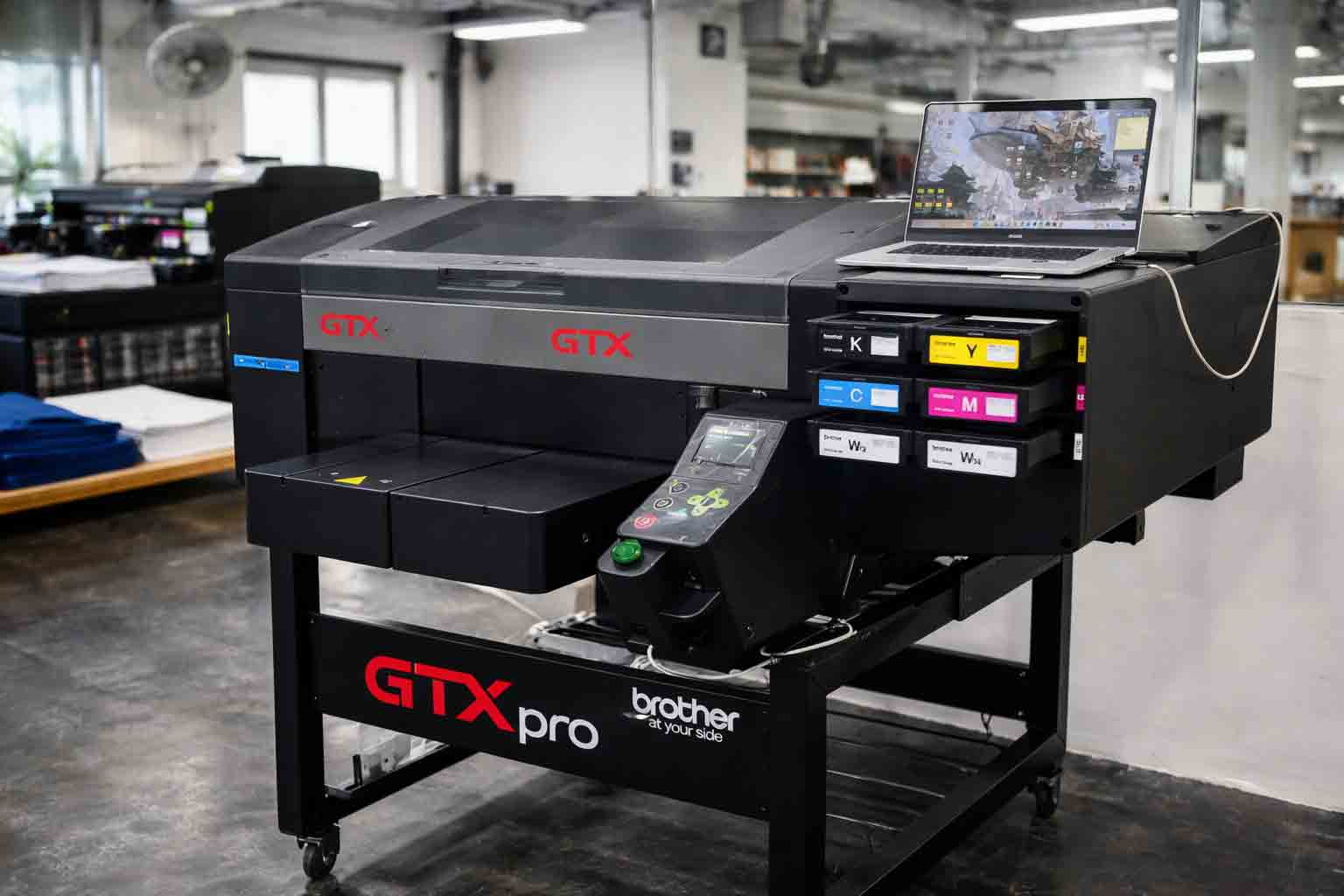
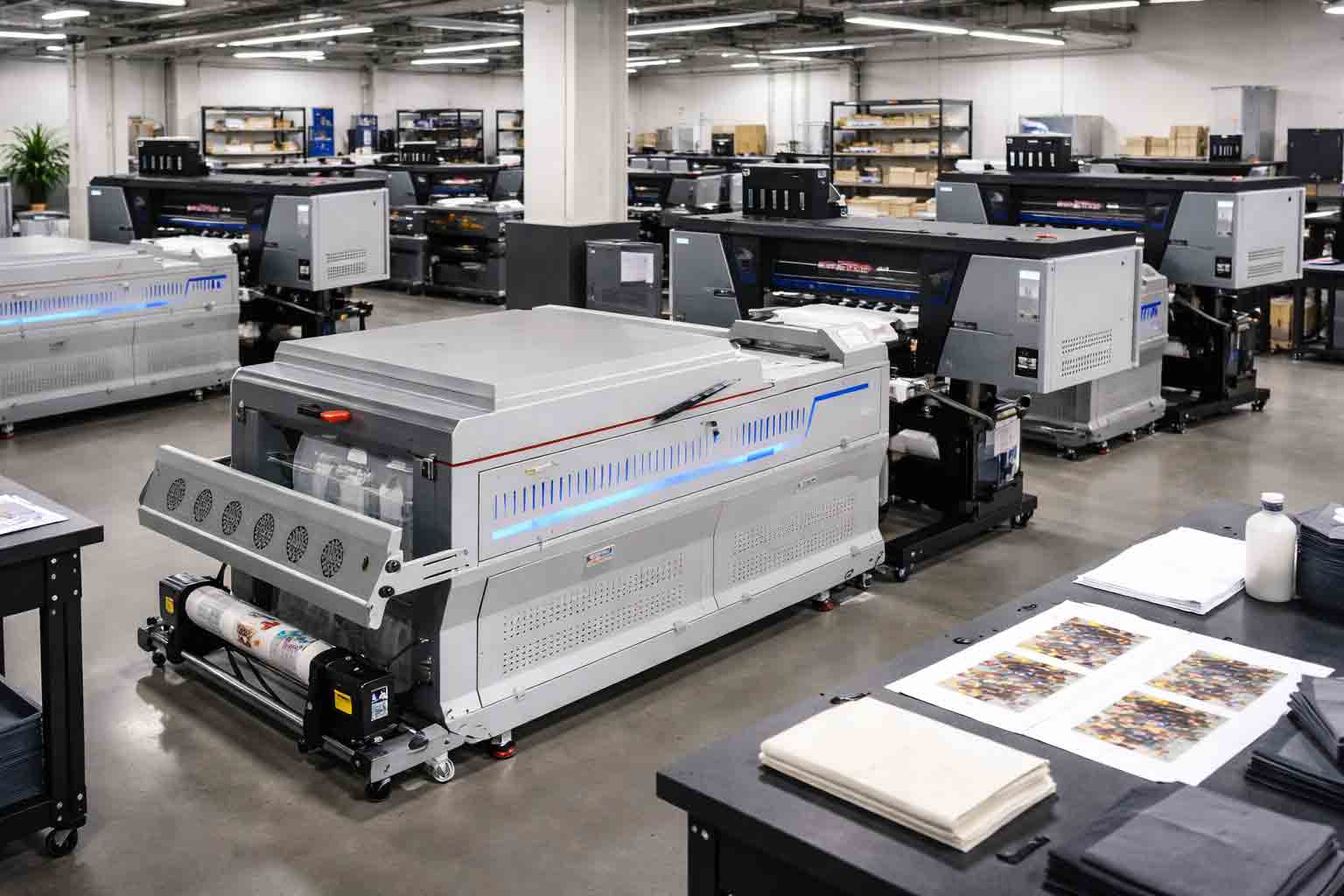
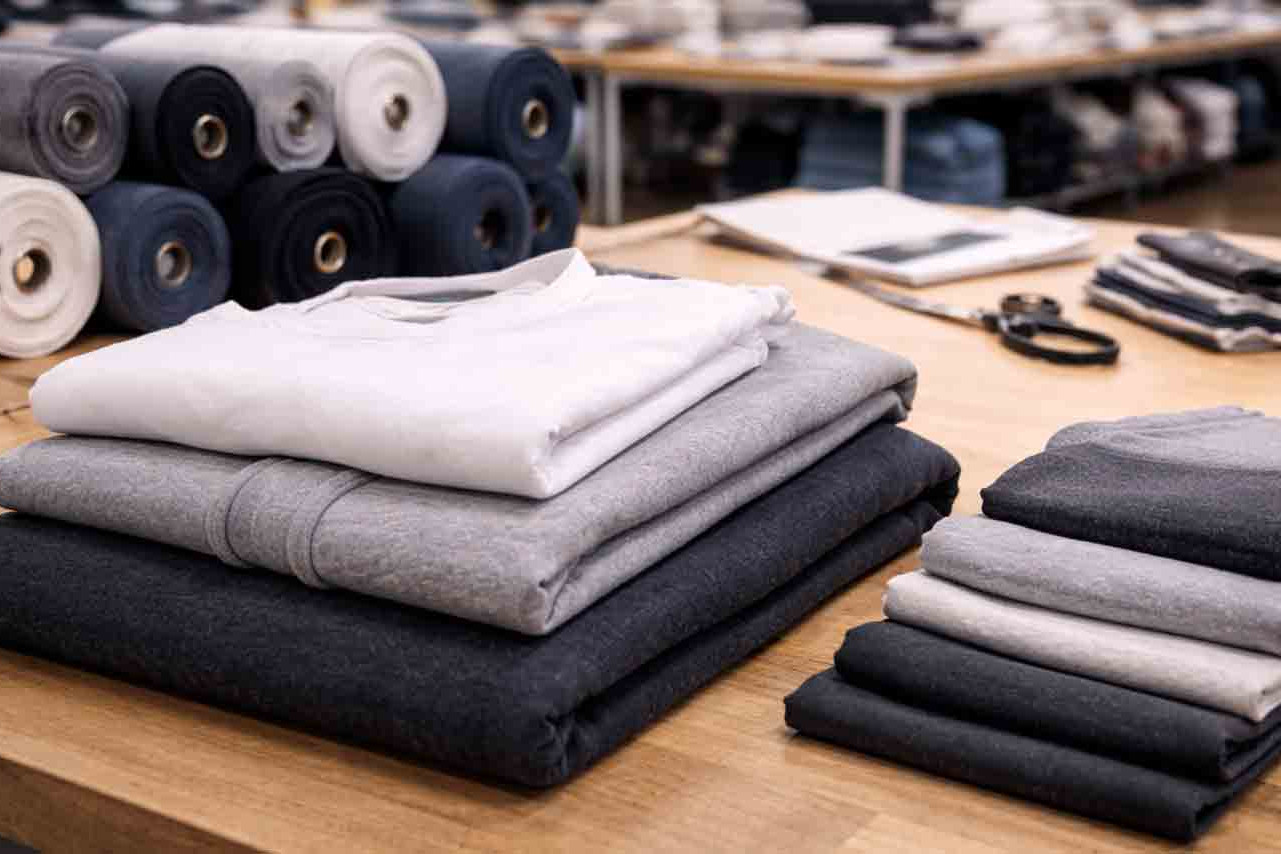
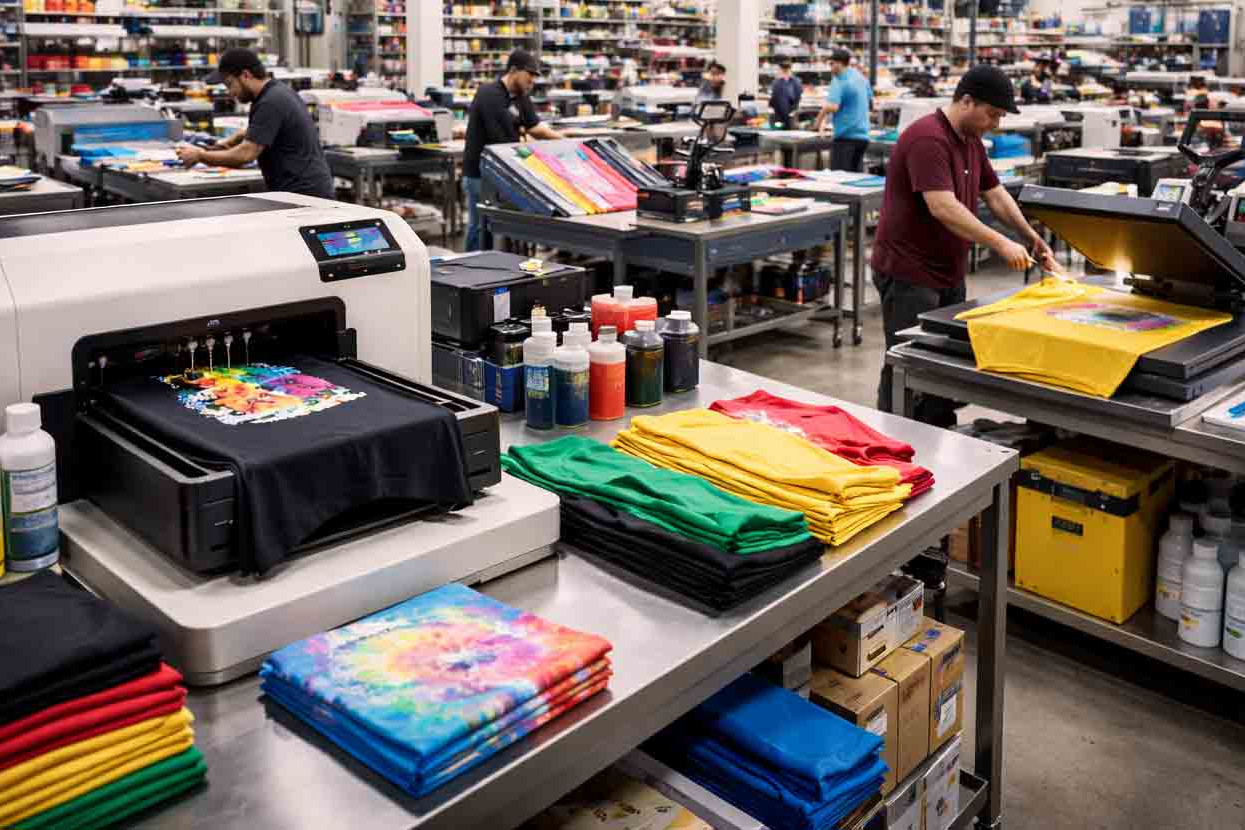
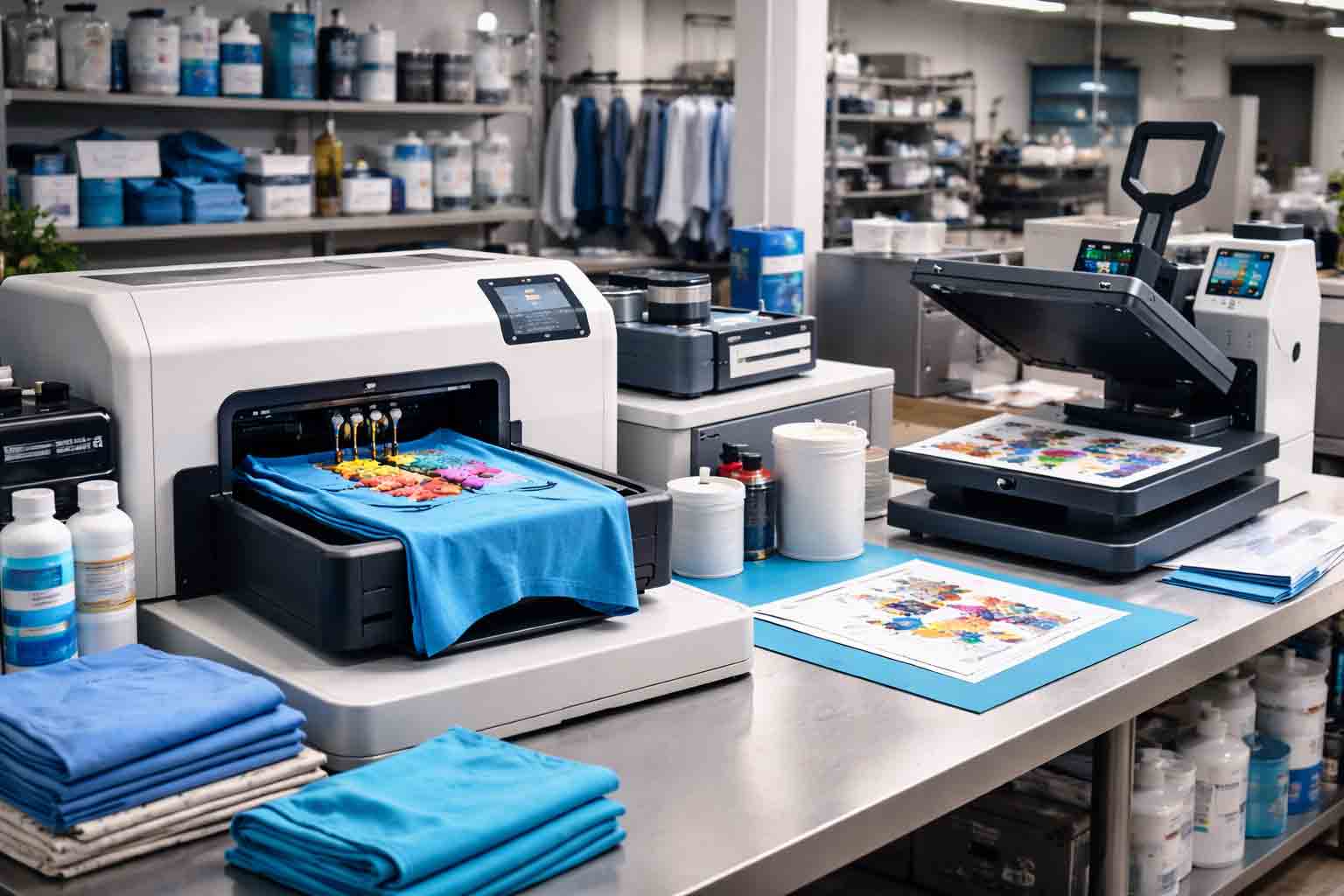
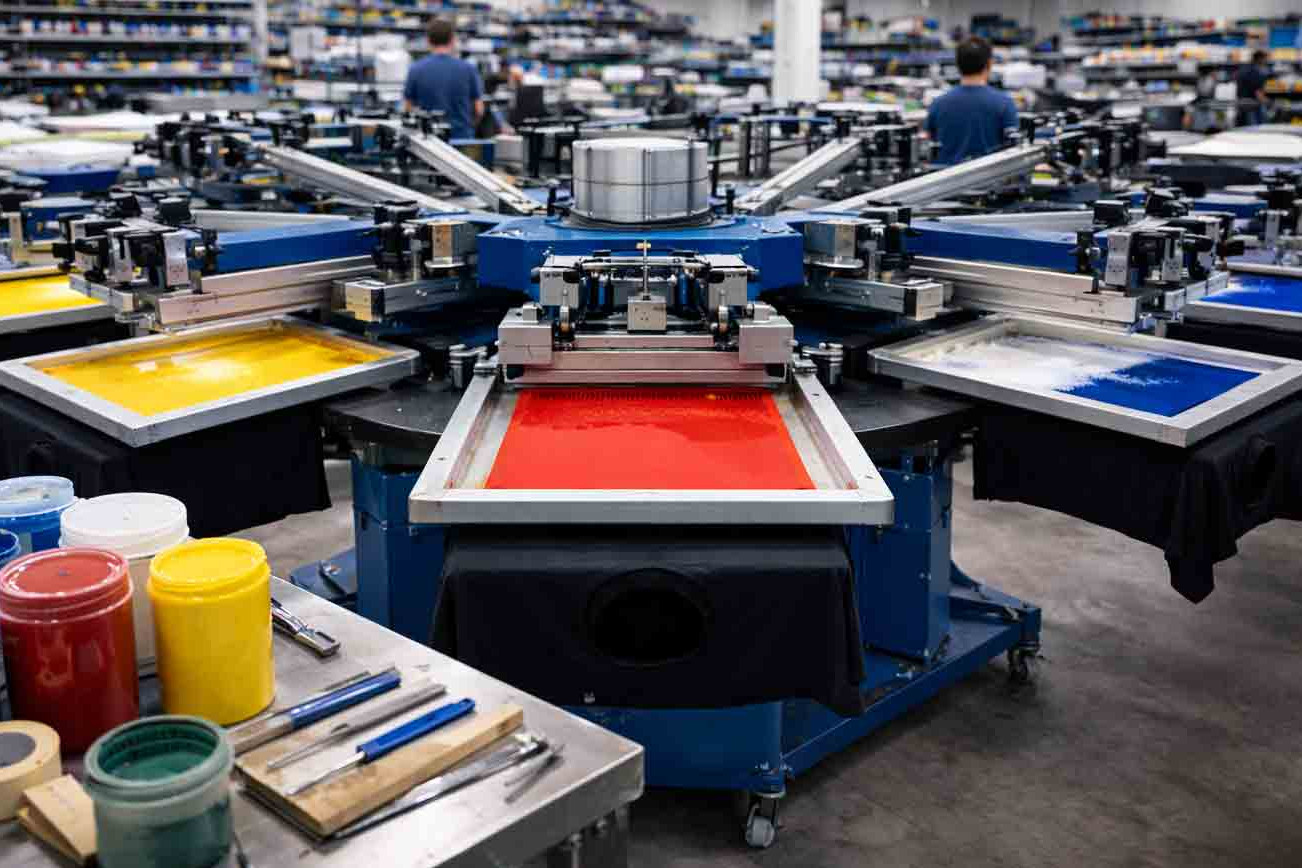
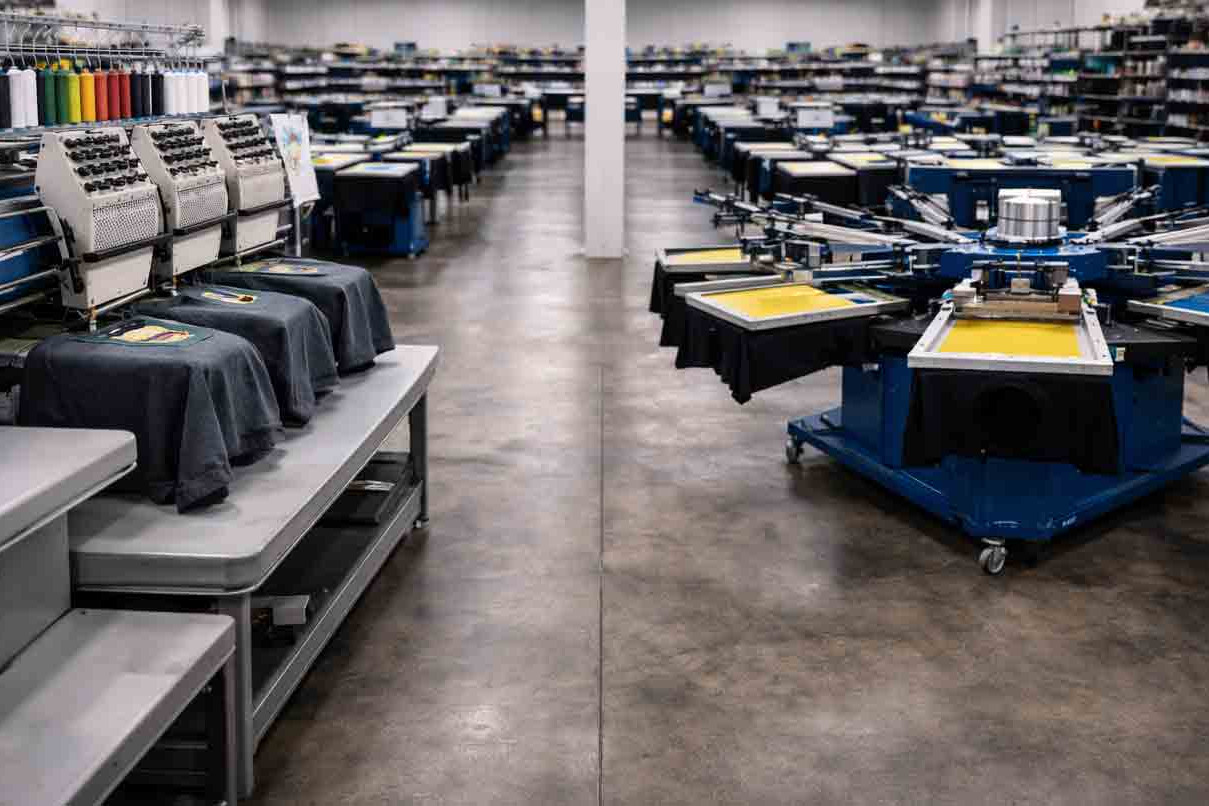
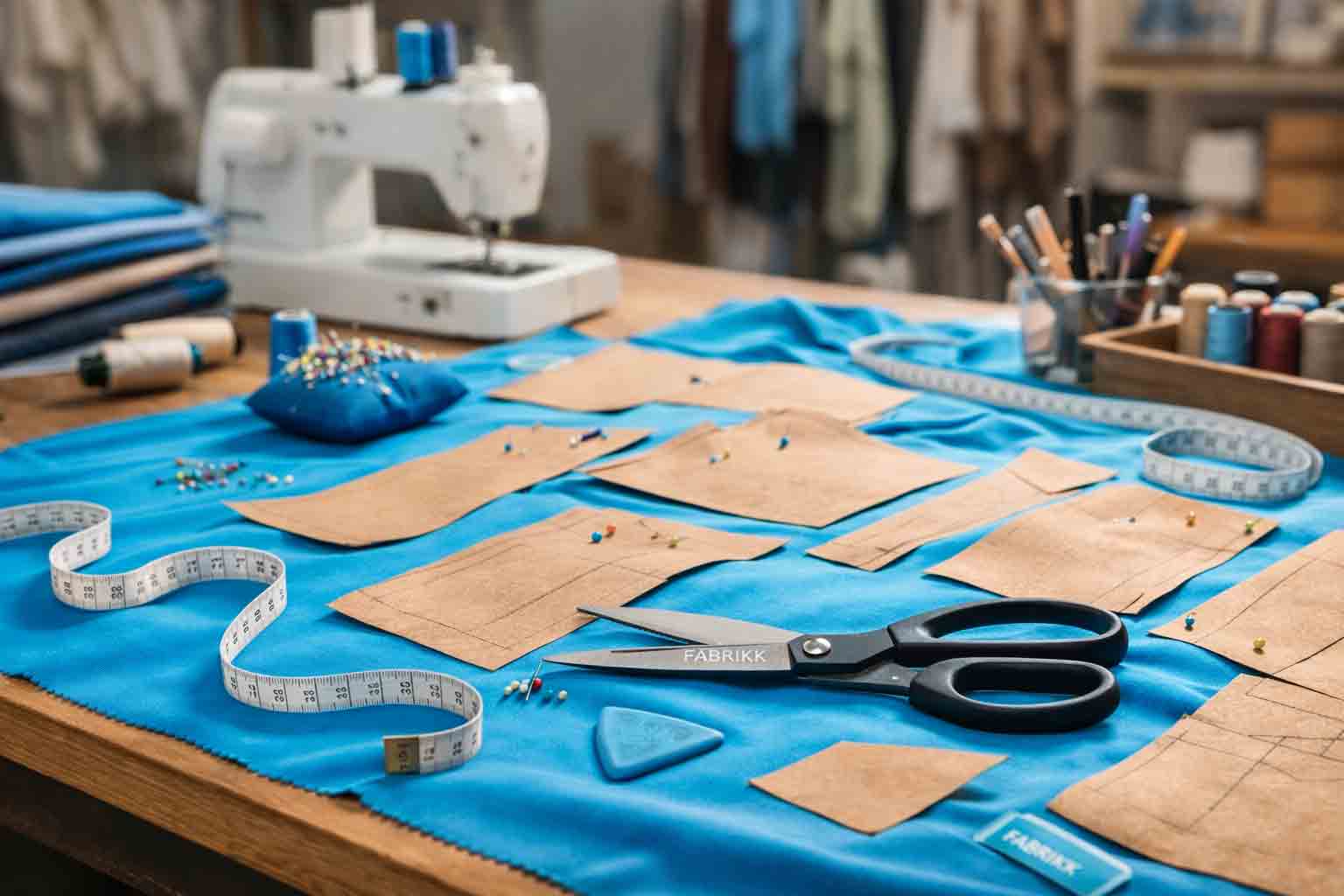
There are three common routes. Decorating blanks is quickest and lowest risk. Private label gives you branding control (labels, packaging, often more fabric/fit options). Cut-and-sew gives you the most uniqueness because you control pattern and construction.
A neutral overview of private label as a concept is here: Private label (overview).
Step 4: Sampling is not optional (and here’s how to do it right)
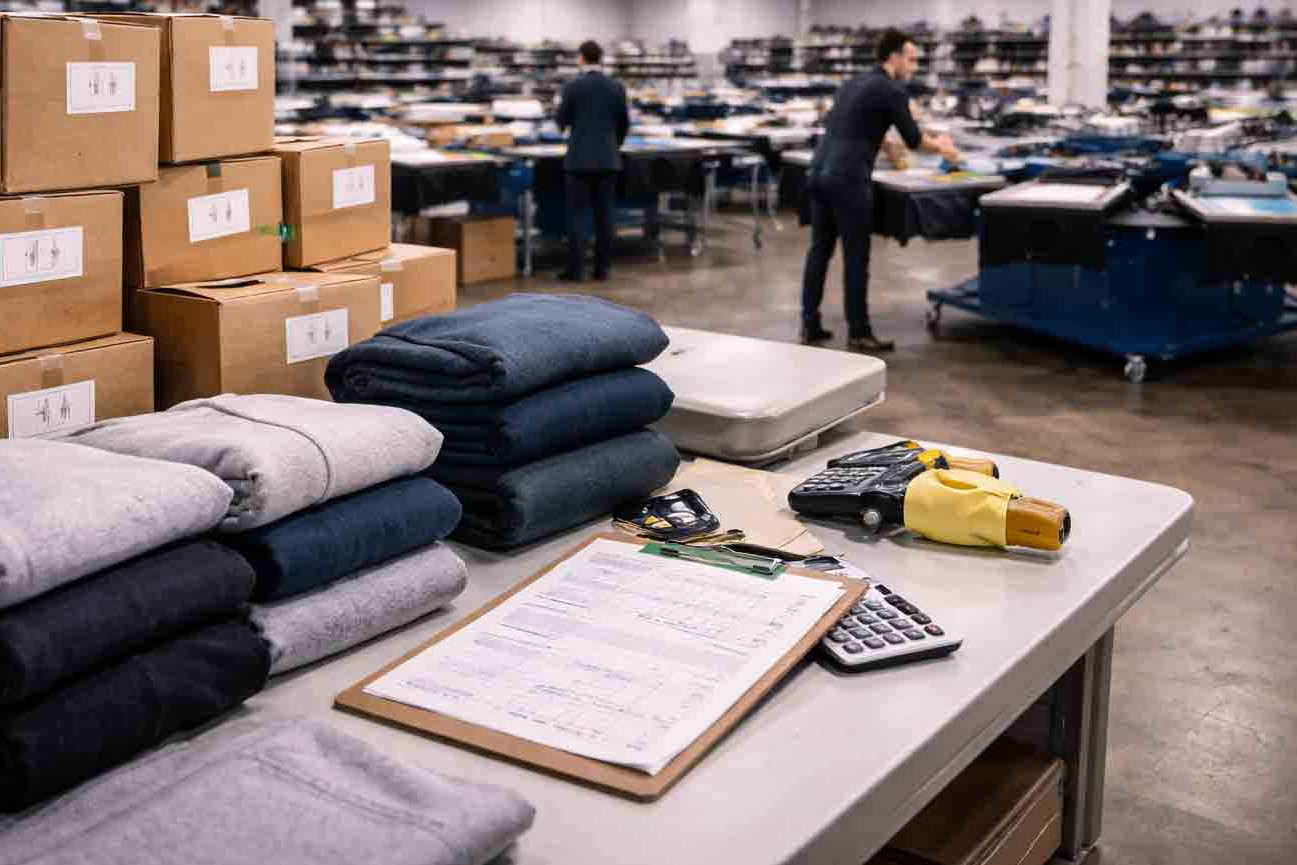
Sampling is where brands either become professional—or become expensive. Don’t approve based on photos. Approve based on feel, fit, and wash performance. Check shrinkage, twisting, stitching, and how decoration behaves after cleaning.
A practical rule: you should be able to reorder the same product and get the same outcome. That only happens when specs are documented and approvals are clear.
Step 5: Launch like a business (not like a hobby)
Treat your launch like a simple system: product + proof + distribution. Build a small waiting list, show real samples, and sell a limited drop you can fulfill smoothly. If you can’t ship cleanly, your marketing will backfire.
What works in real life:
- Pre-launch content: show the process (samples, tests, fit checks).
- Clear offer: what it is, why it’s better, and who it’s for.
- Simple SKU plan: avoid too many sizes/colors on day one.
- Fast fulfillment: ship quickly and communicate clearly.
This is where Fabrikk helps brands stay consistent: the product and production plan match the launch plan—so you don’t oversell what you can’t deliver.
Costs and pricing: the simple way to protect margin
Pricing is not “cost + vibes.” You need room for returns, packaging, ads, and slow weeks. Start with a realistic landed cost (product + decoration + labels + packing + shipping + duties), then decide your margin based on how you plan to sell (organic vs paid).
If you want a clean starting point: many brands aim for a strong gross margin so they can fund marketing and reorders. The safer approach is to keep your first product simple and your production stable—then improve the product once the business is moving.
Brand assets that matter: labels, packaging, and consistency
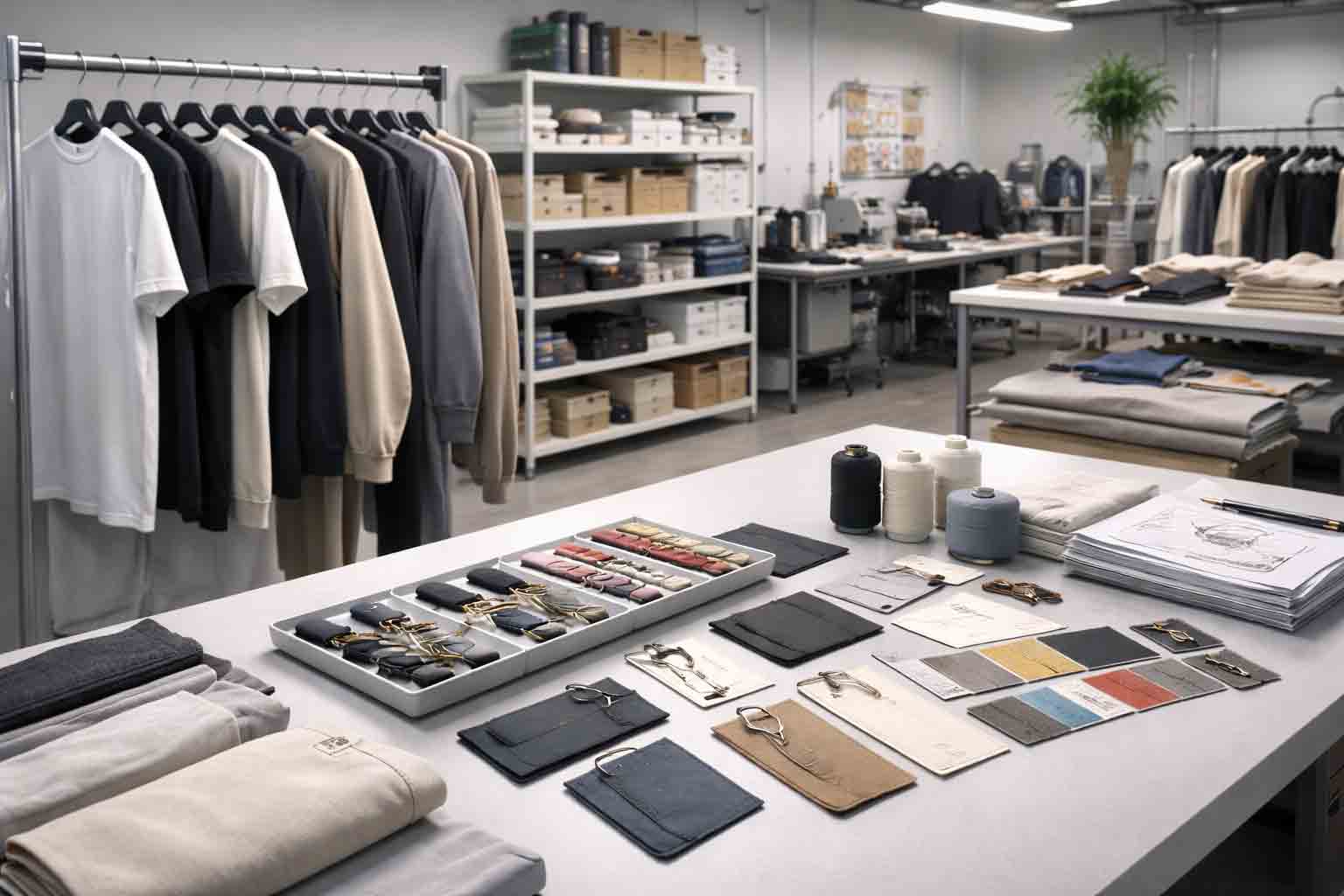
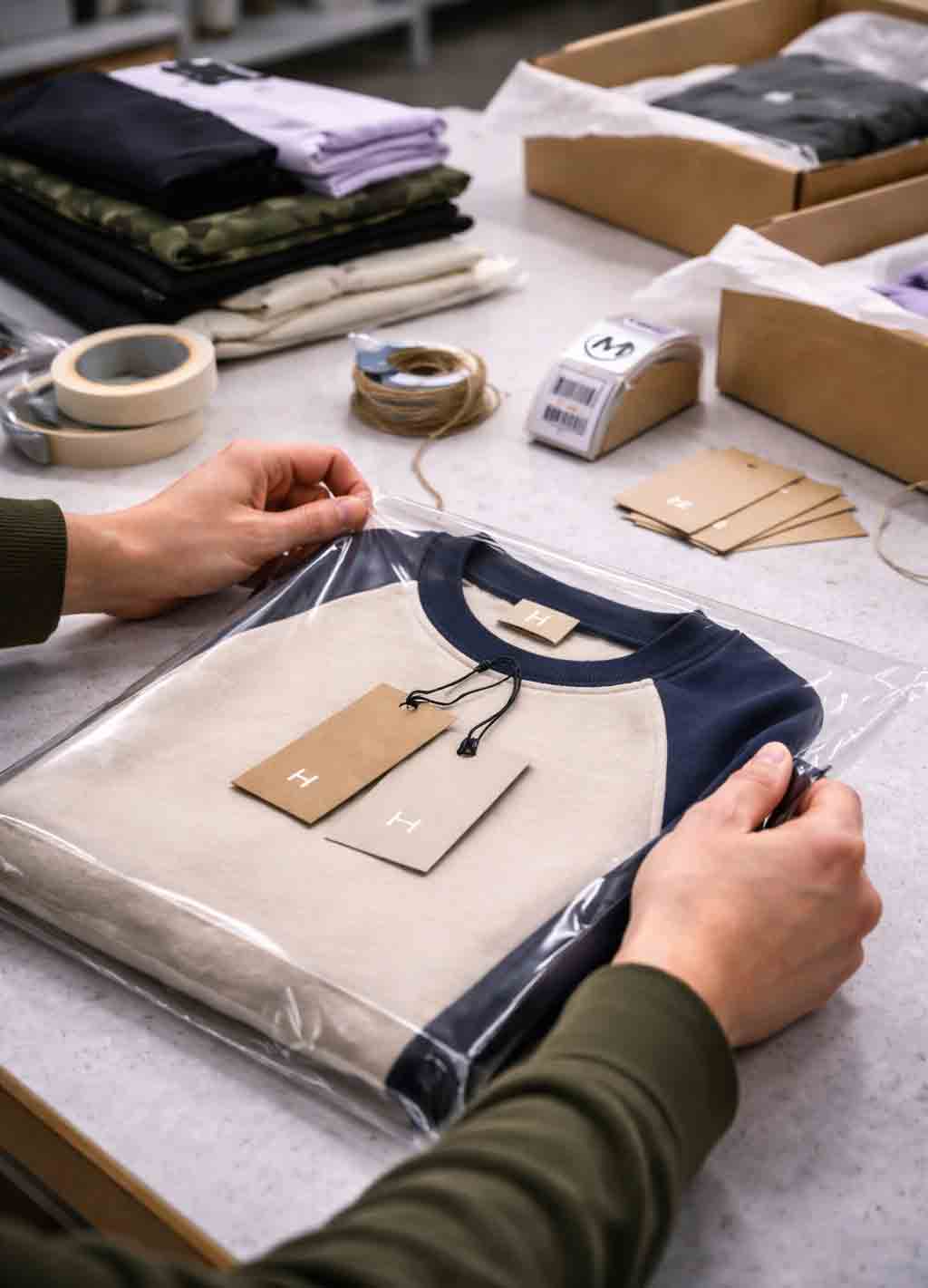
A brand feels premium when everything is consistent: fit, fabric, finishing, and presentation. Woven neck labels, clean care labels, and a simple packaging system can instantly lift perceived value—if the base garment is already good.
Don’t overbuild packaging on day one. Build a system you can repeat. Consistency beats complexity.
Launch checklist: 12 steps to get it right the first time
Use this checklist to keep your brand launch practical, production-safe, and scalable.
- Define your niche and customer in one sentence.
- Pick a hero product with clear use case (season, lifestyle, price point).
- Choose your production model (blanks/private label/cut-and-sew).
- Lock fabric direction (composition + GSM) and fit direction.
- Create a measurement spec and tolerance rules.
- Select decoration method based on durability and feel.
- Order samples and approve in-hand (not via photos only).
- Wash test and wear test the approved sample.
- Finalize labels, hangtags, and packaging system.
- Plan your SKU count (keep it tight at launch).
- Prepare fulfillment (stock, packing, shipping flow, customer comms).
- Launch with proof (real photos/video) and a clear offer.
If you can tick these off, you’re operating like a brand—not like a side project.
FAQ: starting a clothing brand (quick answers)
No, but you do need a realistic plan. Start with a small capsule and spend most of your budget on the product and sampling, not endless SKUs.
Often a great tee or hoodie. Choose what your audience will wear weekly and what you can reorder consistently.
Blanks are faster and lower risk. Private label is great when you want stronger brand control and a more premium feel.
Keep it small. One hero product and one supporting item is enough to prove demand without overcomplicating production.
Look for clear communication, consistent samples, and documented processes. If sampling is chaotic, bulk will be worse.
Skipping sampling and rushing bulk. The second biggest is launching too many SKUs and running out of cash.
Start with landed cost, then price with margin that covers returns, packaging, marketing, and reorders.
Yes—but only after the garment is good. Packaging elevates perception; it can’t rescue poor fit or weak fabric.
It depends on sampling rounds and complexity. Faster approvals and a simpler first capsule usually mean a faster launch.
MOQs vary by product and factory. The safest approach is to start with simpler products and fewer variables.
Show the process, tell the product story, and build proof before you sell. Start with small content loops and community.
Yes. Fabrikk helps align product strategy, sampling, specs, branding systems, and production planning so launches stay consistent and scalable.
Final takeaway
If you follow a production-first plan, you won’t just “launch a brand”—you’ll build something customers can trust and reorder. And once the first product is consistent, scaling gets a whole lot easier.