What is DTG printing
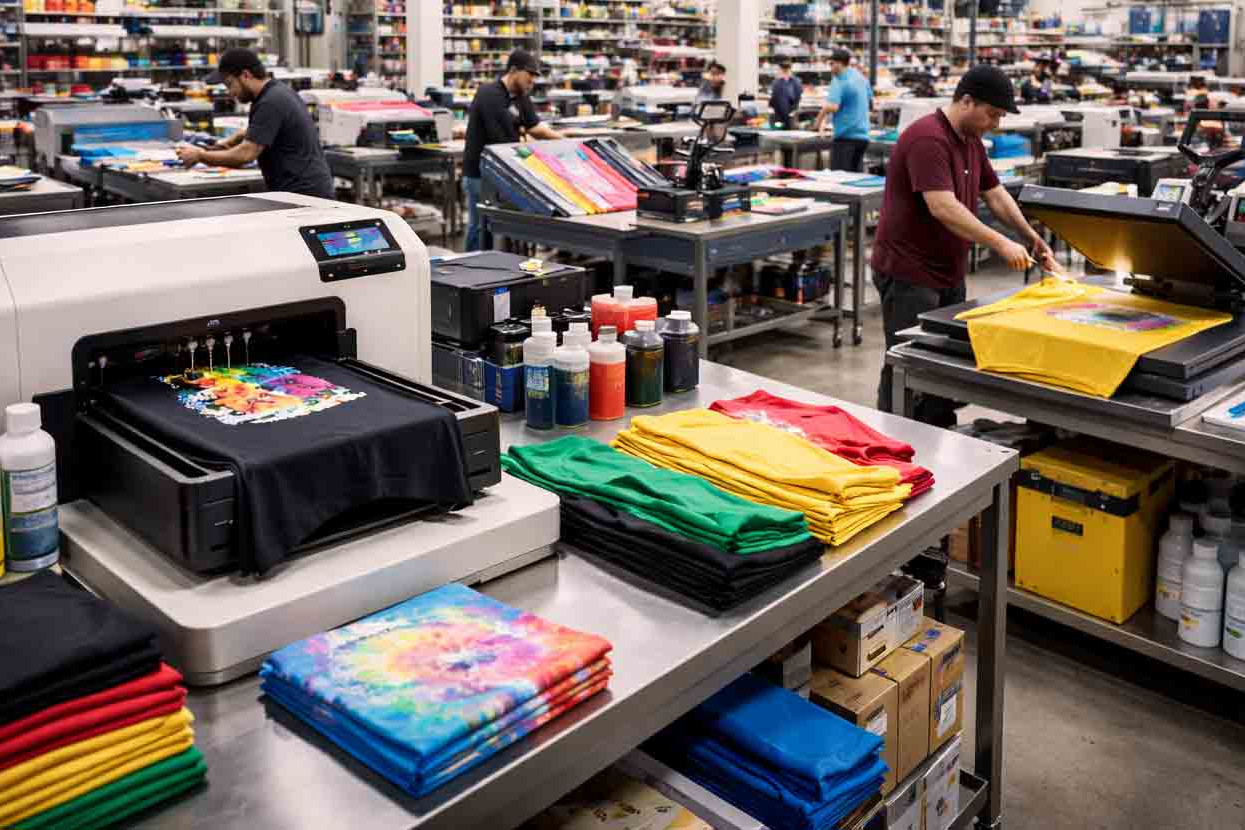
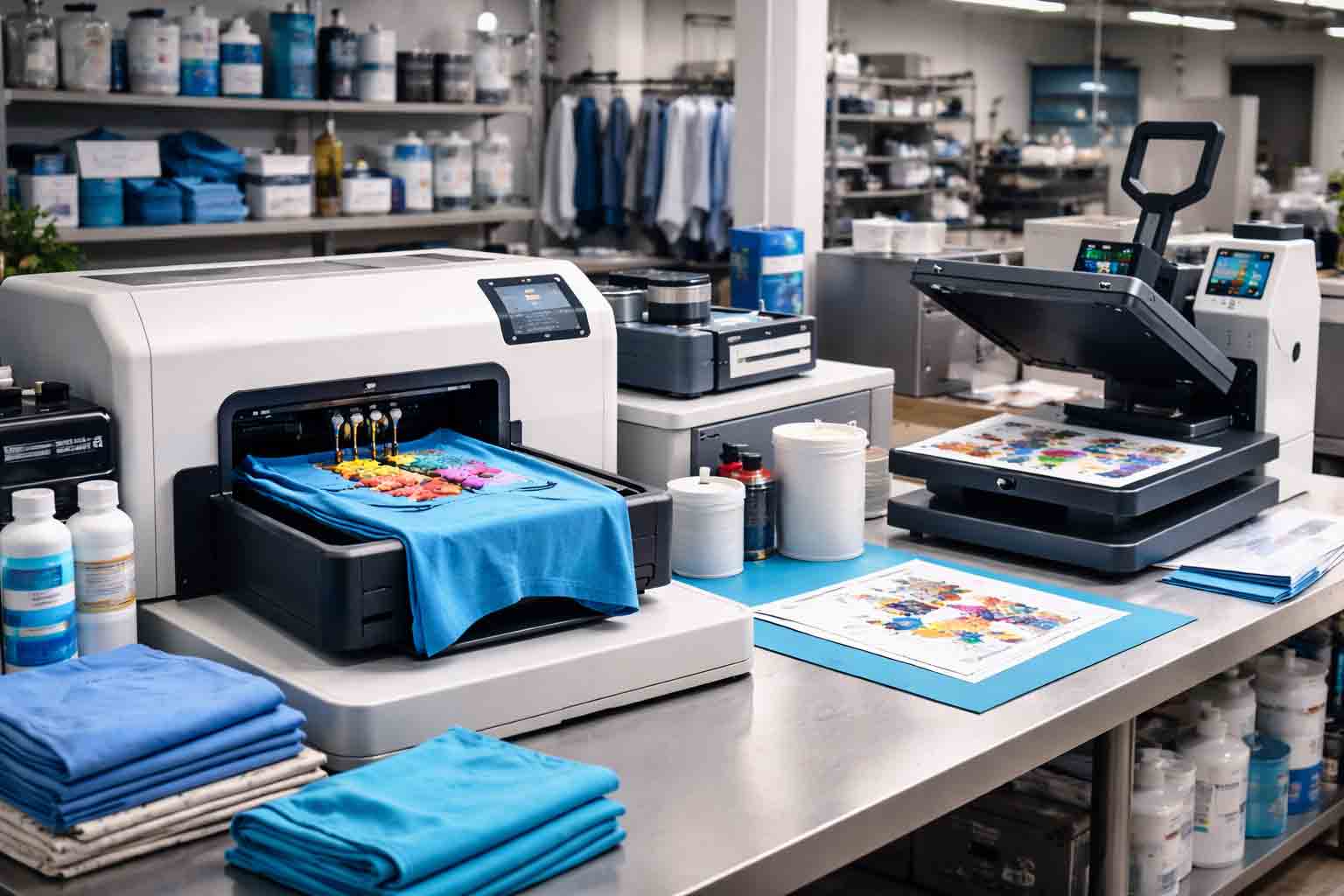
If you’ve ever asked, “What is DTG printing?” here’s the simple answer: it’s a professional method that prints full-color designs directly onto fabric using water-based inks and specialized printers. That makes it a smart option for brands, creators, teams, and businesses that want high detail without complicated setup.
For Fabrikk customers, DTG is all about a premium end result: clean detail, consistent colors, and reliable reorders—so your merch, uniforms, or brand drops look the same every time.
How DTG Printing Works in a Professional Workflow
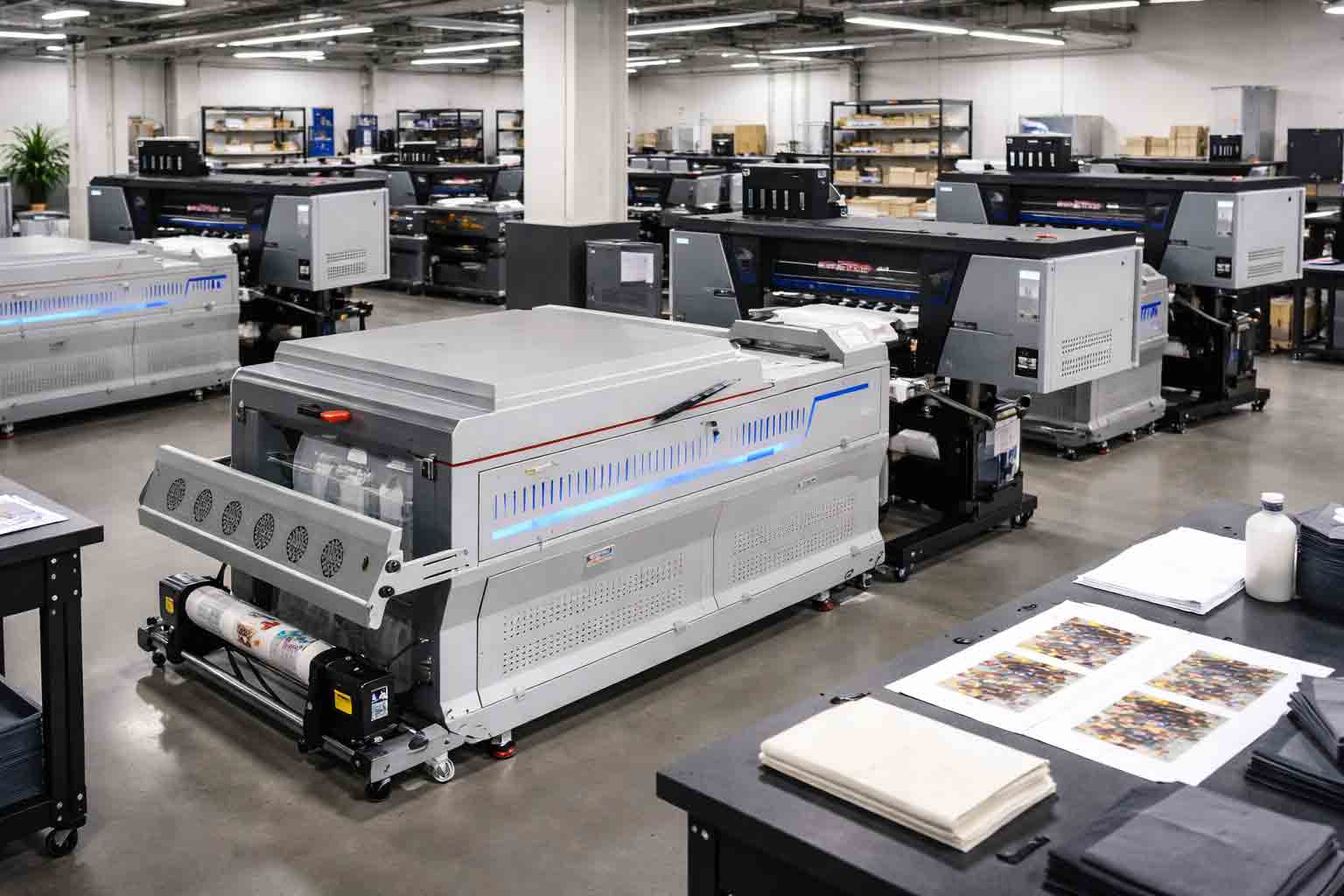
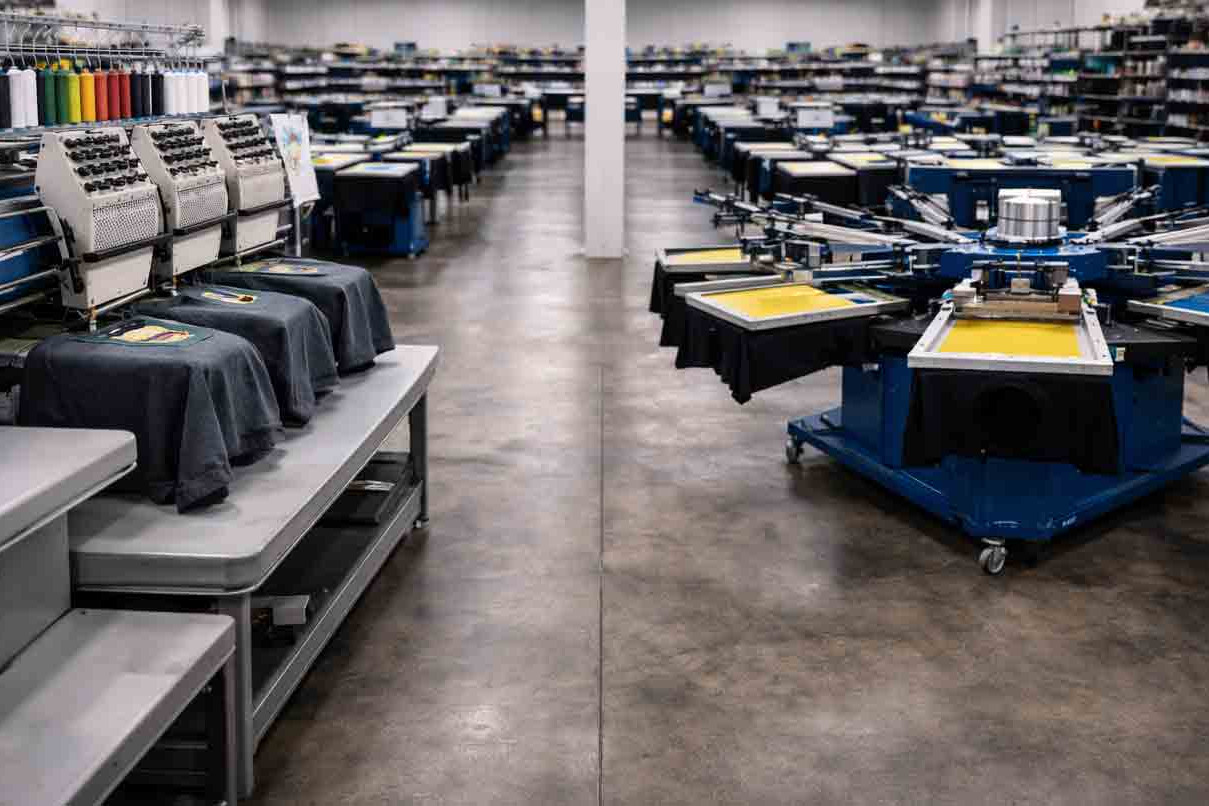
DTG production is straightforward, but quality comes from doing the steps consistently. First, artwork is prepared for print so edges stay clean and the final size is correct. Then the garment is loaded and aligned on the platen. For dark garments, pretreatment is applied so inks bond correctly and stay vibrant.
After printing, curing locks the ink into the fibers for wash durability. Finally, quality control checks placement, color balance, and overall finish before packing. This repeatable process is the difference between “good enough” and “premium.”
Why DTG Makes Sense for Fast Drops and Clean Brand Presentation
DTG is built for modern selling. If you run an online store, a merch page, or seasonal collections, you want speed without sacrificing quality. DTG helps because it doesn’t require screens or long setup time—so you can move quickly from design to product. That’s perfect for limited releases, new product tests, and reorders that need to match earlier batches.
From a commercial viewpoint, DTG reduces risk. You can start with smaller quantities, see what customers actually buy, and scale the winners. That means less unsold stock sitting around and more room to experiment with new designs. It also makes it easier to offer more variety—different graphics, multiple colorways, and special editions—without adding complicated production steps.
The best part is the look: DTG handles gradients, small details, and multi-color artwork with a clean, premium finish. When the print is consistent and the garment feels good, customers notice. And when customers notice, they come back—because it feels like a real brand, not a one-time purchase.
Best Garments for DTG Results That Sell
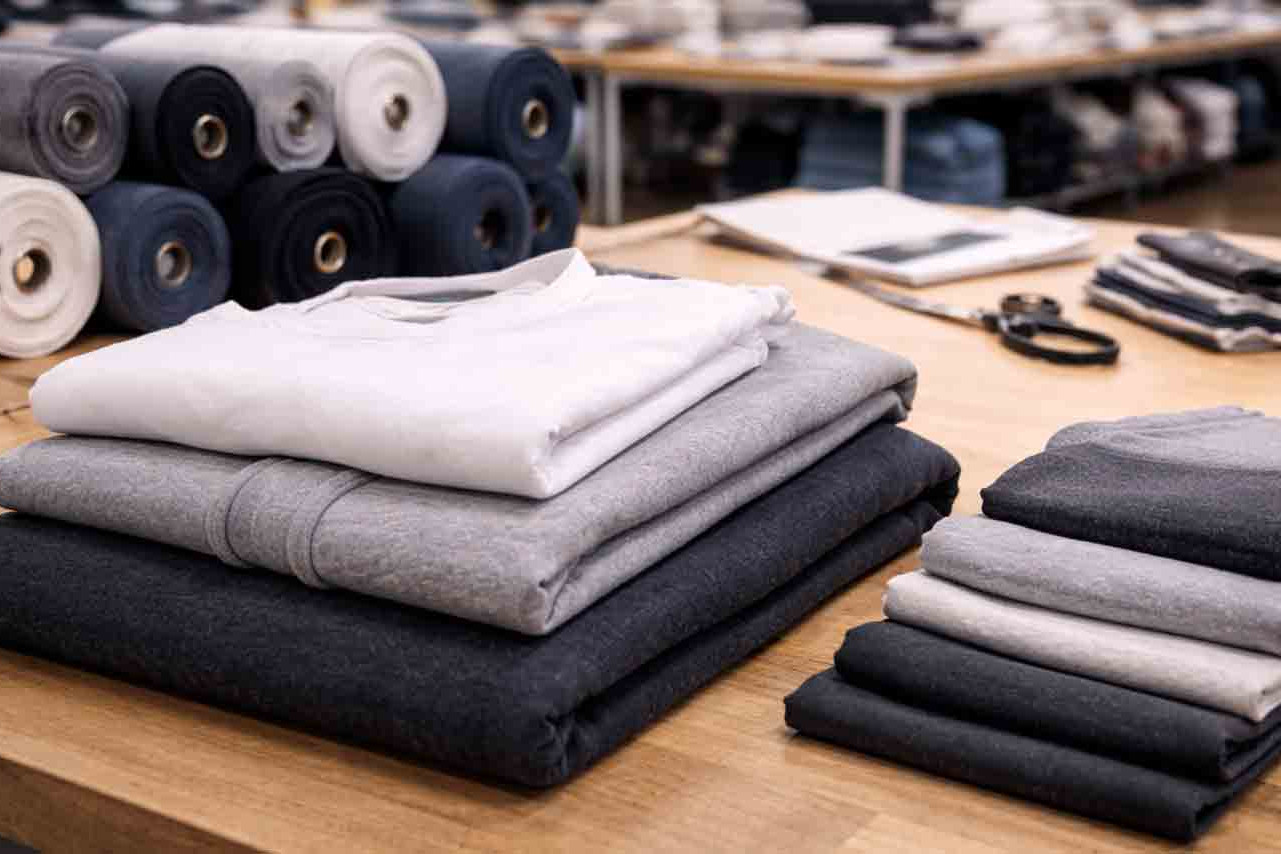
In most real-world cases, cotton and cotton-rich garments deliver the most predictable DTG results. Smooth fabric surfaces help fine details stay crisp and keep colors looking even. If you’re selling to a broad audience, consistent sizing and a comfortable hand-feel matter just as much as the print itself.
A practical approach is to pick one or two core blanks you can reorder confidently. That way, your photos, fit, and print finish stay consistent across drops—and your customers know what to expect.
DTG vs Screen Printing vs DTF
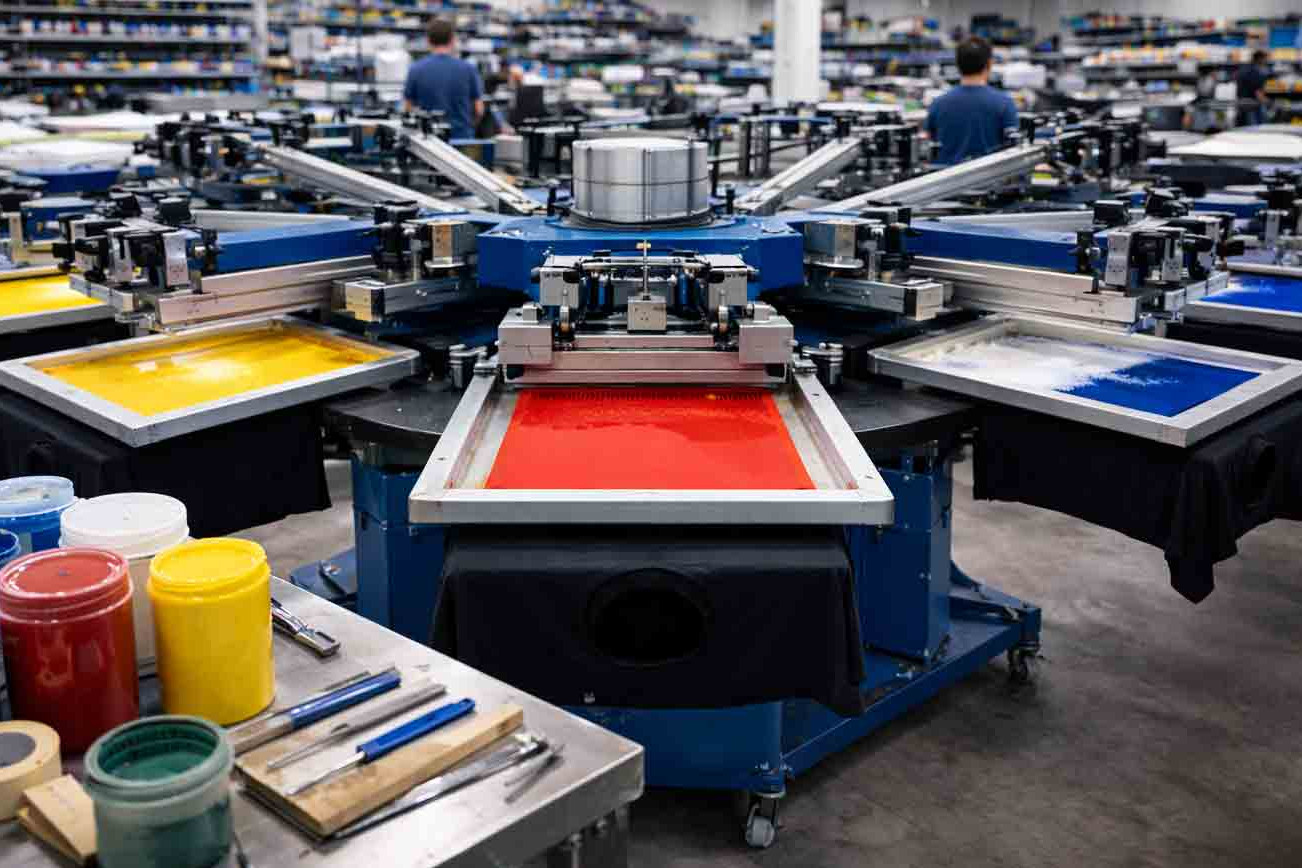
DTG is usually the go-to when you need detail and flexibility. Screen printing often wins for huge volumes and simple spot colors. DTF can be useful for broader fabric compatibility, depending on your product mix. The smartest choice depends on your design style, order size, and the finish you want your customers to feel.
If you want a premium look with fast iteration, DTG is often the most balanced option for brands that move quickly.
How Fabrikk Keeps DTG Quality Consistent
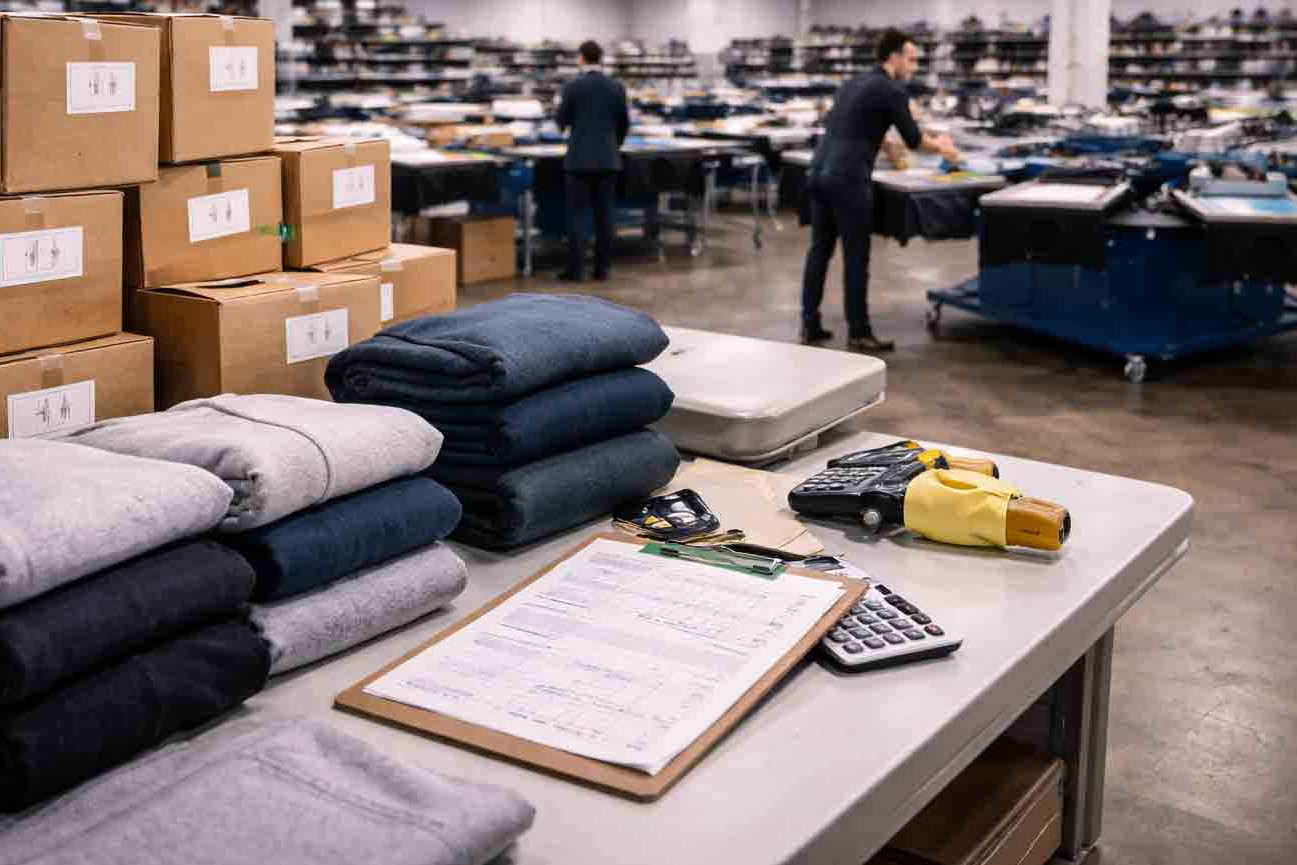
Consistency is where most brands either win or lose. Customers don’t just judge a print once—they compare it to the last order, the product photos, and what their friends received. That’s why a professional workflow matters: clean alignment, controlled curing, and steady quality checks so every piece looks on-brand. Small details—like keeping edges sharp, ensuring colors don’t shift, and maintaining a neat finish—add up to a noticeably more premium product.
To keep results predictable, it helps to standardize the basics: consistent garment choices, correct artwork sizing, and clear placement decisions. When those inputs are stable, production is smoother and reorders look the same. This also protects your margins—fewer misprints, fewer customer complaints, and fewer returns caused by avoidable inconsistencies.
If you’re also thinking about responsible choices, many brands review recognized textile standards when selecting blanks. For background information, see STANDARD 100 by OEKO-TEX. It’s a helpful starting point when you’re comparing options and want more confidence in the materials behind your products.
DTG Pre-Flight Checklist for Clean, Sellable Results
Before you print (or reorder), use this checklist to keep quality high and avoid expensive do-overs:
- Artwork is high-resolution with clean edges and correct transparency.
- Final print size is confirmed (and matches your product photos/mockups).
- Placement is defined (front, back, sleeve) and consistent across sizes.
- Garment fabric is print-friendly and consistent (preferably cotton/cotton-rich).
- Thin lines are thick enough to survive fabric texture.
- Dark garments are planned with pretreatment and underbase needs.
- Brand color references are provided if exact tone matters.
- File naming is clear (version control prevents mistakes).
- Size chart and fit expectations are published for customers.
- Packaging needs are defined (folding, inserts, labels).
- Basic QC rules are set (alignment, color, finish).
- Care instructions are consistent and easy to follow.
When these basics are dialed in, your DTG production becomes smoother, faster, and far more consistent—exactly what you want when you’re growing.
FAQ
It’s best for high-detail, full-color designs—especially when you want flexible quantities and fast turnaround.
Yes. DTG is known for smooth gradients, shading, and multi-color artwork with fine detail.
Yes. DTG is often ideal for small to medium runs because there’s minimal setup compared to screen printing.
Cotton and cotton-rich garments are typically the most consistent for sharp detail and comfortable feel.
Pretreatment helps inks bond correctly and keeps colors bright and durable on darker fabrics.
With proper curing and normal care, DTG prints can remain vibrant through many washes.
It depends on ink coverage, but quality DTG on good cotton usually feels smooth and wearable.
Common drivers include garment cost, print size, ink coverage (especially white ink), and finishing requirements.
Screen printing often makes sense for very large volumes with simple spot-color designs.
Use consistent blanks, standardize artwork specs, and keep placement rules the same across runs.
Publish a clear size chart, choose consistent garments, and keep product photos accurate to the real fit and color.
Wash inside-out, use mild detergent, keep temperatures moderate, and avoid aggressive heat for best longevity.
Next Step: Turn Designs Into Premium Apparel
If you want high-detail prints with flexible quantities and a premium customer experience, DTG is a practical choice. With the right garments, clean files, and a consistent workflow, you can launch faster and build trust with every reorder.